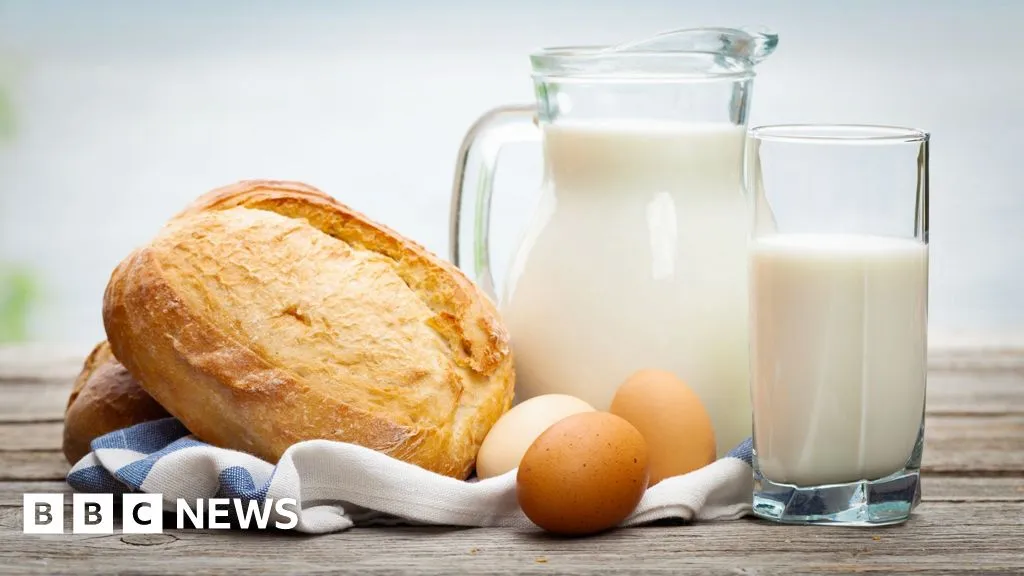
Many consumers have noticed a significant increase in the price of basic grocery items over the past few years. While we all enjoy our weekly supermarket trips, encountering a heftier total at checkout—even without the luxuries—can be frustrating. So, what has happened to the prices of staples like eggs, milk, and bread, and why are they soaring?
The Cost of Eggs: A Closer Look
In 2022, a standard box of six supermarket own-brand free-range eggs could be purchased for just £1. Fast forward to today, and that same box has jumped to approximately £1.80, according to market research firm Assosia, which tracked average prices at major retailers like Tesco, Sainsbury's, Asda, and Morrisons.
The skyrocketing price of eggs was significantly influenced by a devastating outbreak of avian flu that led to the culling of millions of hens between 2021 and 2023. As a result, a shortage of laying hens forced supermarkets to impose purchase limits and raised prices to mitigate losses. Furthermore, the increasing costs of grain—primarily due to the war in Ukraine—have compounded the issue. Grain for feeding hens, alongside the energy expenses for maintaining indoor housing due to restrictions, are key factors in this price elevation.
Milk: The Rising Costs Explained
Another essential that's expanded in price is milk, which has risen from £1.29 for four pints of semi-skimmed in 2022 to about £1.65 today. The dairy industry has been particularly affected by increased energy costs tied to production, transportation, and processing due to the energy price hikes following the Ukraine conflict.
Although milk prices saw initial spikes, they have since begun to stabilize, mainly due to global oversupply. However, dairy farmers are facing significant challenges, with many reporting a 25% decrease in milk prices over recent years, pushing them into the red.
Bread Prices: A Steady Increase
The price of a basic loaf of medium-slice white bread also reflects these inflationary trends, having increased from 65p in 2022 to about 74p now. While not all supermarkets, particularly discount ones like Aldi and Lidl, were included in this data, the remaining retailers often engage in price matching to stay competitive.
The early surge in wheat prices following the Ukraine invasion has now leveled off, but ongoing tensions in the Middle East are igniting fresh supply concerns. Ultimately, producers face a myriad of rising costs, which together create a 'perfect storm' of financial strain.
Are Supermarkets Profiting From Higher Costs?
Despite the rising prices at checkout, it's been reported that supermarkets haven't substantially increased their profit margins. Sales at leading UK supermarkets grew from £130 billion to around £160 billion between 2020 and 2024, but when sales are scrutinized alongside operating expenses, the notable increase in revenue does not translate to higher profits for retailers.
As AJ Bell's head of financial analysis, Danni Hewson, notes, producers and farmers often find themselves squeezed by financial pressures. Contracts with supermarkets are typically signed in advance, limiting their ability to adjust prices mid-contract when costs spike unexpectedly.
Conclusion
The increasing costs of essential goods like eggs, milk, and bread demonstrate a complex interplay of market pressures, agricultural challenges, and geopolitical events. As consumers, understanding these factors can provide clarity about why we’re paying more at the store.
Source: BBC News
Source: BBC News - Business