In a significant diplomatic shift, the United States has temporarily lifted oil sanctions against Iran, enabling the nation to sell oil in US dollars for the first time in decades. This development coincides with Iran's official denial of claims made by US Vice-President JD Vance regarding nuclear inspections.
Iran's Response to Nuclear Inspection Allegations
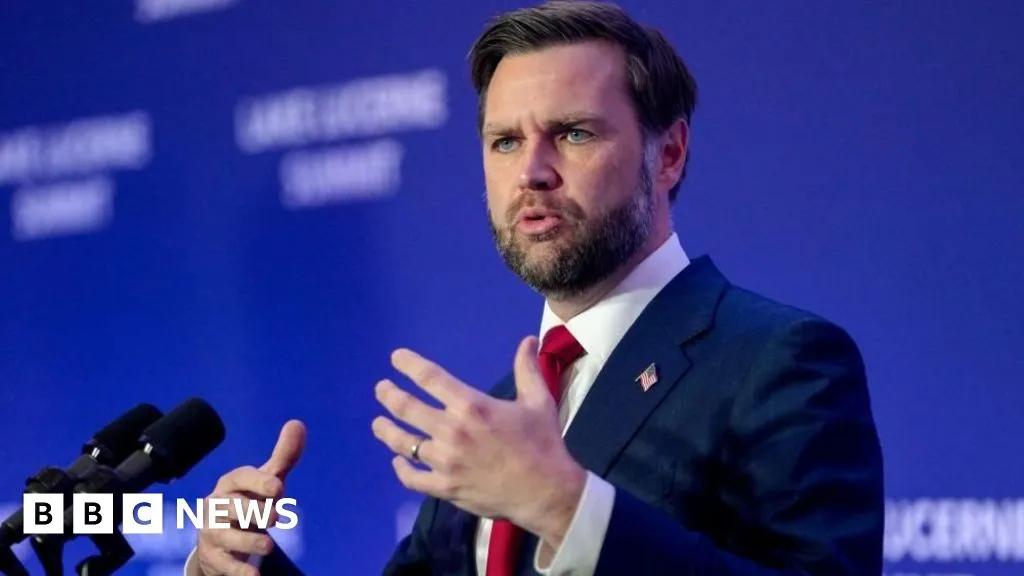
Following recent discussions in Switzerland, Vice-President Vance suggested that Iran would permit International Atomic Energy Agency (IAEA) inspectors to return to the country. He indicated that these discussions might begin as soon as the same day. However, Iranian Foreign Ministry spokesperson Esmail Baqai clarified that Tehran had made “no new commitments” regarding the return of nuclear inspectors.
“Any engagement with UN inspectors will happen under established procedures set by our Parliament and the Supreme National Security Council,” Baqai stated in an interview with the state-run news agency IRNA.
New Sanctions Waiver Details
The recent 60-day waiver issued by the US Treasury effectively dismantles crucial elements of long-standing sanctions that have severely impacted Iran's economy. Under this temporary provision, Iran is authorized to produce, sell, and transport crude oil and petrochemicals until August 21. This waiver not only allows direct imports of Iranian oil into the US but also streamlines banking transactions and insurance, which had previously complicated Iran's oil sales.
Progress Towards Final Deal and Regional Ceasefire
In a joint announcement, mediators from Qatar and Pakistan revealed that the US and Iran had developed “a roadmap towards reaching a final deal within 60 days.” Vice-President Vance expressed optimism about the talks, describing them as having established a “very good foundation.” The discussions also covered significant issues like reopening the Strait of Hormuz and strategies for maintaining a regional ceasefire.
Continuing Tensions and Future Implications
Despite the progress noted, tensions remain high. President Donald Trump issued warnings to Iran via social media, stating that if they did not honor their agreements or continue engaging in undesirable behavior, consequences would follow.
As negotiations continue, the focus shifts to maintaining communication channels to prevent misunderstandings, particularly regarding safe passage for commercial vessels through the critical strait.
The Iranian delegation has left the talks with plans for further technical discussions, leaving many observers eager to see how this evolving situation will impact regional stability and international relations.
Source: BBC News - World