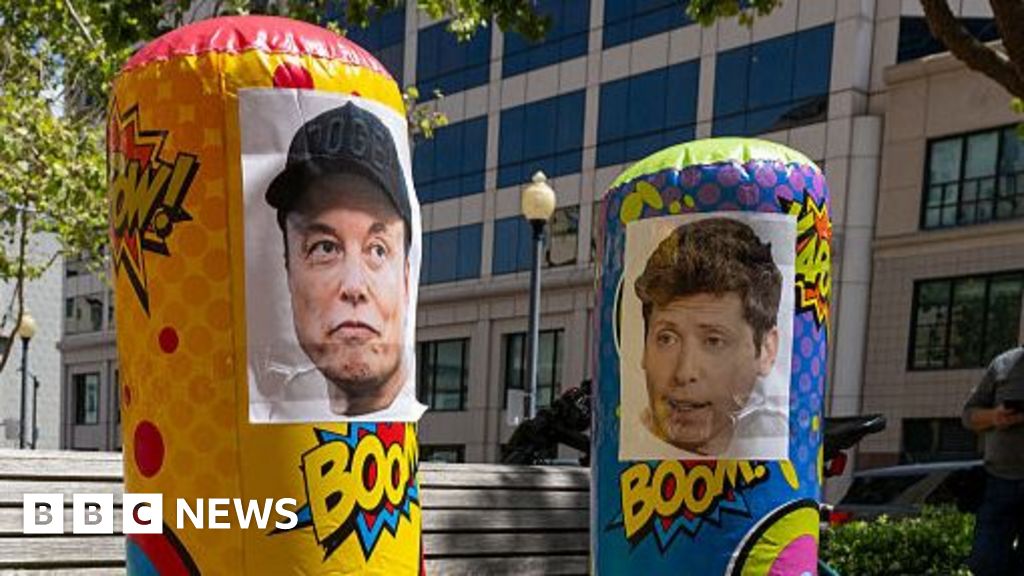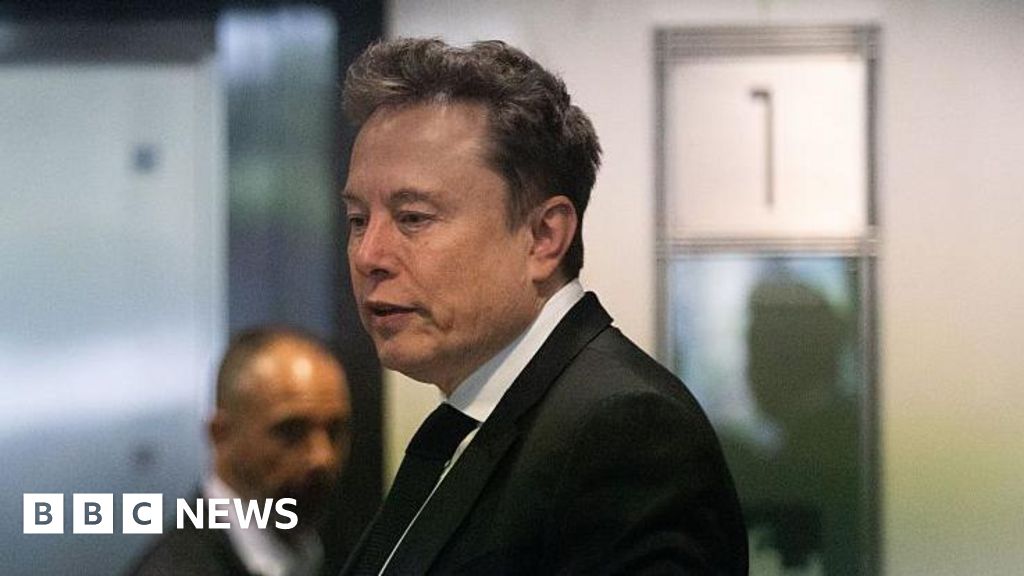
In a courtroom drama that is captivating both the tech world and the public, Elon Musk took the stand for the third day as he faces off against former colleagues Sam Altman and OpenAI. Musk is pursuing a lawsuit against the AI organization, alleging that they strayed from their foundational non-profit mission, shifting toward a profit-driven model.
During his testimony, Musk exhibited moments of combative defiance, particularly while being cross-examined by OpenAI's attorney William Savitt. Musk leveled accusations of deception, claiming that Savitt's questions veered into complexity as a tactic to "trick" him.
"Your questions are not simple," Musk asserted, visibly frustrated. "They’re designed to trick me essentially." This back-and-forth underscores the high stakes at play, as Musk seeks billions in damages that he claims reflect what he calls "wrongful gains" made by OpenAI.
Musk's Vision for OpenAI and His Financial Claims
The lawsuit, which Musk filed in 2024, challenges not just the business decisions made by OpenAI but also questions the ethical foundations of profit motives in AI development. Musk has long been vocal about his fears regarding Artificial General Intelligence (AGI) and its potential dangers if not managed responsibly.
At one point, Musk expressed that he had envisioned retaining some control over OpenAI, but anticipated that his influence would wane as investors became involved. "I deliberately chose to create this as a non-profit for the public good," he emphasized, highlighting his intent to benefit society rather than chase financial gain.
As the trial proceeds, Musk’s request for a restructuring of OpenAI—including the ousting of Altman—adds a layer of intrigue to the proceedings. OpenAI countered Musk's claims by suggesting that his motivations stem from jealousy and regret over having left the organization in 2018.
Implications for the AI Landscape
As Musk faces off against his former peers, the courtroom has turned into a battleground over the future of AI ethics and governance. Savitt, representing OpenAI, argued that Musk's actions reveal a desire to undermine a significant competitor, stating, "We’re here because Mr. Musk didn’t get his way at OpenAI."
Points of contention revolve around Musk's own initiative, xAI, which he established after leaving OpenAI and which has struggled to gain a foothold in the rapidly evolving AI market.
Looking ahead, this landmark trial may set crucial precedents for how AI companies balance profit motives with ethical responsibilities. With Musk asserting that a failure to uphold charitable commitments could undermine the entire foundation of charitable giving, the outcome could resonate far beyond the courtroom.
The Road Ahead in the Legal Battle
This legal showdown is anticipated to continue for several weeks, drawing significant attention from industry observers and the public alike. The clash between the tech titan and his former collaborators highlights the complexities of navigating ethical boundaries in the AI sector.
As both parties prepare for further testimonies—with Altman set to take the stand soon—this riveting trial promises to challenge not just personal egos but the very ethos of innovation in artificial intelligence.
For those following this contentious legal saga, a deeper understanding of Musk's motivations and the implications of this trial on the future of AI is critical.
Source: BBC News - Technology