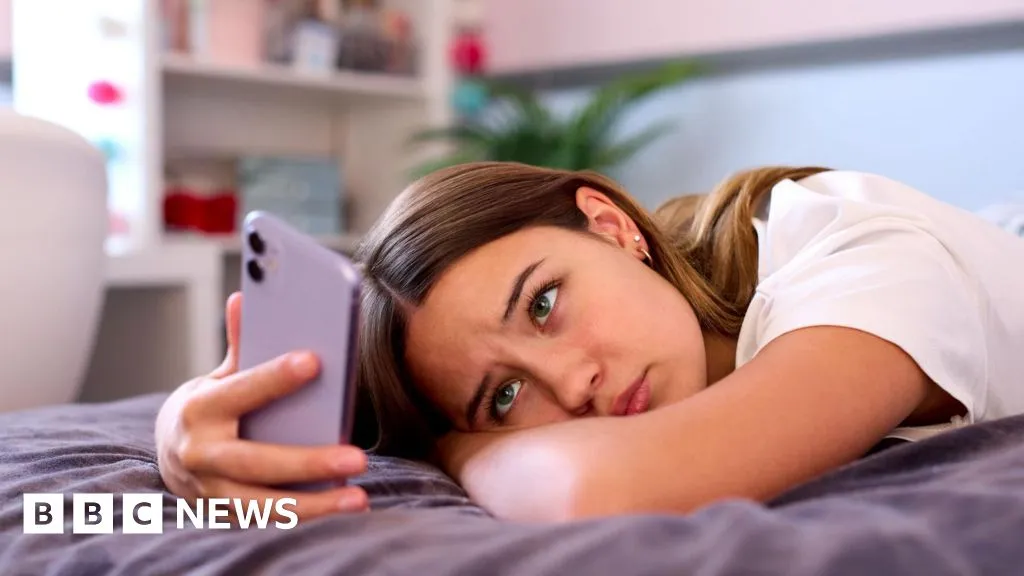
The Prime Minister, Sir Keir Starmer, has unveiled plans to block access to popular social media platforms for teenagers in the UK starting early 2027. This initiative aims to protect younger users online, with the Prime Minister stating it's "the right step for Britain".
Which Platforms Will Be Impacted?
The forthcoming ban will encompass several major platforms, including:
- Snapchat
- TikTok
- YouTube
- X (formerly Twitter)
While the complete list of banned platforms has yet to be finalized, the government emphasizes that any platform enabling social interaction and user-generated content will fall under these new regulations. Additionally, measures will be instituted to prevent children from livestreaming and direct interactions with strangers online.
Key Features of the Ban
In addition to preventing direct communication with minors, the proposed legislation includes:
- Default restrictions for users under 17 to avoid abrupt changes when they reach 16.
- Consideration of overnight curfews and breaks from infinite scrolling for users under 18.
- Minimum age enforcement of 18 for AI chatbots designed for intimate interactions.
Messaging services like WhatsApp and Signal, however, will not be included in this social media ban.
Timeline and Enforcement of the New Regulations
The UK government aims to implement these new regulations before Christmas, with an official start date scheduled for early 2027. Sir Keir Starmer has indicated that the government has already launched the necessary legislation to facilitate this ban.
While the Prime Minister acknowledges that some children may attempt to circumvent the restrictions, he insists that it is imperative to take action. Advanced age verification technologies, such as facial recognition and ID checks, will be utilized to ensure compliance.
Responses from Families and Advocates
The announcement has received mixed reactions. Many families advocate for such measures, motivated by personal tragedies. For instance, bereaved parents like Lisa Kenevan, whose son Isaac passed away at 13, have been pivotal in pushing for this ban. Kenevan expressed hope that while parents wished for a quicker implementation, the announcement represents a significant step forward.
Conversely, some critics, such as Ian Russell—who lost his daughter Molly to online bullying—argue that the government's strategy may be politically motivated and could inadvertently create additional issues.
Interestingly, surveys indicate that approximately 90% of parents support decisive actions on social media platforms for children. However, some teens voice concerns over losing connection with friends and platforms for self-expression. For example, 14-year-old George shared his fears about how a ban would impact his social interactions.
Conclusion
The UK’s planned social media ban for users under 16 set for 2027 marks a significant regulatory shift aimed at enhancing online safety for children. As details unfold, families, social media companies, and young users alike will be closely watching the implications of these measures.
Source: BBC News
Source: BBC News - Technology