In the wake of recent turmoil in the Middle East, particularly the conflict involving the US and Israel against Iran, the UK's Competition and Markets Authority (CMA) has declared there is no evidence of extensive price-gouging by fuel retailers. This announcement comes on the heels of heightened concerns regarding fuel prices post-conflict.
Profit Margins Remain Stable
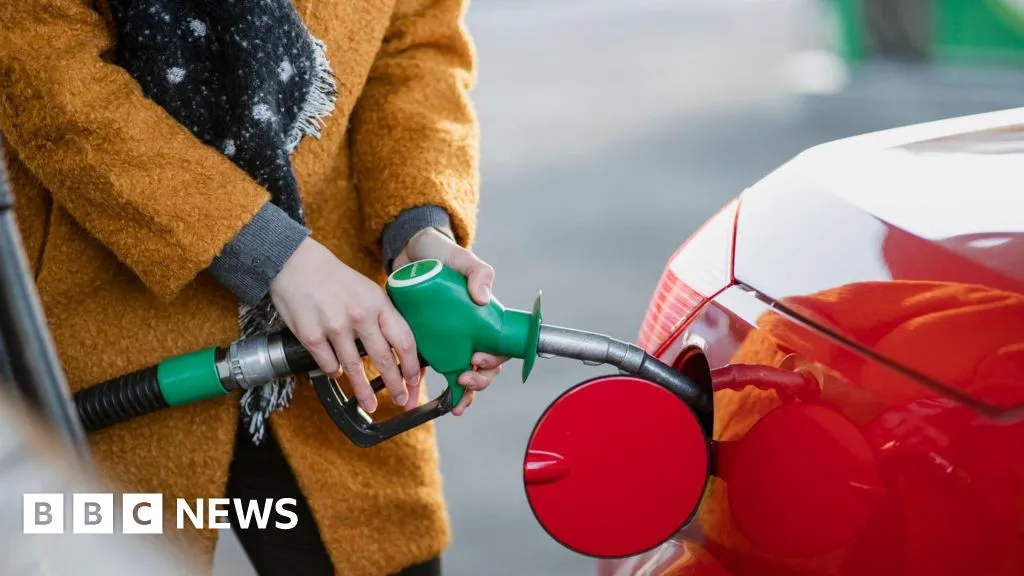
The CMA reported that profit margins for fuel retailers remained "broadly unchanged" between February and March. Despite the recent spike in wholesale prices, the changes in retail prices were not indicative of exploitation. In March, the authority had initiated a sharper monitoring approach for petrol and diesel prices following these global events.
“Our investigation shows that, overall, retailers’ margins were close to the average of 10.7 pence per litre (ppl) noted last year,” stated CMA Chief Executive Sarah Cardell.
Context of Rising Costs
While the CMA found minor increases in margins for a handful of supermarkets and non-supermarket retailers from February to March, the overall findings suggested that no significant gouging had occurred since the onset of the conflict.
- Profit margins for fuel retailers were stable amid rising global oil prices.
- The price of Brent crude oil recently hit $126 per barrel, the highest since 2022.
- Current petrol prices average at 158.3p per litre, while diesel reached 191.5p per litre in mid-April.
Government Response and Consumer Concerns
Prime Minister Sir Keir Starmer previously emphasized that the government was prepared to intervene if fuel companies were found to be overcharging consumers. However, fuel retailers dismissed these allegations, describing them as inflammatory and unfounded.
Future Investigations and Competitive Landscape
The CMA's ongoing examination aims to explore higher margins observed specifically during December and January, before the conflict escalated. Additionally, the authority recognizes a persistent issue with competition within the fuel retail market.
With approximately 20% of global oil and liquefied natural gas typically transiting through the Strait of Hormuz, the closure of this vital passageway has heavily influenced market prices, affecting everyday drivers in the UK. Therefore, the CMA remains vigilant to ensure any decreases in wholesale prices are promptly reflected at the pumps for consumers.
Price Variability and Local Disparities
As prices fluctuate, the CMA notes significant regional discrepancies, with potential savings of up to £9 per tank available for motorists willing to shop around. The research indicates that the profit margins for fuel tend to rise swiftly when wholesale costs increase, yet drop sluggishly when wholesale prices fall, echoing patterns established during previous geopolitical crises.
The AA has also highlighted that the wholesale price of diesel has decreased more significantly than pump prices, urging consumers to remain aware of local pricing dynamics and potential discrepancies based on location.
In conclusion, while the CMA continues to navigate the complexities of fuel pricing in light of international conflicts, it is clear that the situation calls for careful monitoring and robust competition in the market to protect consumers.
For more information, you can visit the .
Source: BBC News - Business