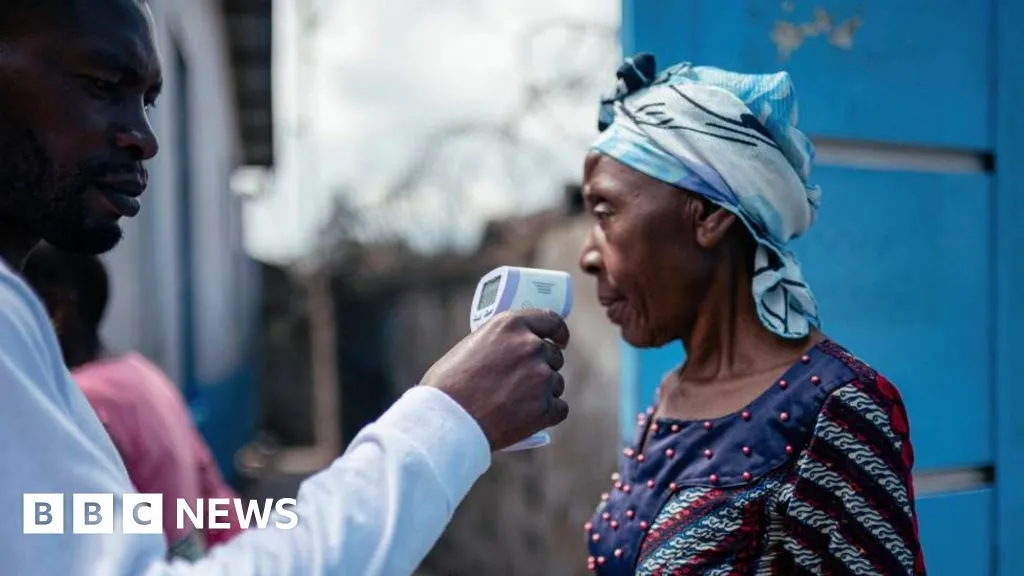
The World Health Organization (WHO) has officially announced a public health emergency of international concern regarding the ongoing Ebola outbreak in the eastern Ituri province of the Democratic Republic of Congo (DRC). This declaration comes as the outbreak has escalated, with approximately 246 suspected cases and 80 fatalities reported to date.
Current Situation and Risk Assessment
While the WHO emphasized that the situation does not reach the threshold for a pandemic emergency, ongoing monitoring and preventive measures are crucial. The agency cautioned that the outbreak could evolve into a larger crisis with significant potential for local and regional transmission.
Confirmed Cases and Regional Spread
The current outbreak is linked to the Bundibugyo strain of the Ebola virus, which currently lacks approved treatments or vaccines. Initial symptoms often mimic flu-like conditions, including fever, fatigue, and muscle pain, eventually progressing to more severe manifestations such as vomiting, diarrhea, and bleeding.
The DRC has now confirmed eight laboratory cases, including one individual in the capital Kinshasa, who reportedly traveled from Ituri. Alarmingly, the virus has also crossed borders, with two confirmed cases identified in neighboring Uganda. A 59-year-old Congolese man who succumbed to the disease had tested positive prior to his death, raising urgent concerns in both countries.
Challenges and Recommendations
The WHO highlighted the compounded risks associated with the area’s security issues, ongoing humanitarian crises, and high population mobility. Bunia, the capital of Ituri province, along with the gold-mining towns of Mongwalu and Rwampara, are particularly vulnerable due to their urban settings and informal healthcare practices.
To mitigate further spread, the WHO recommends the establishment of emergency operation centers in both DRC and Uganda to oversee contact tracing and infection control measures. The health agency stresses that individuals diagnosed with the virus need to be isolated immediately and treated until they test negative for the Bundibugyo virus.
Advice to Neighboring Countries
In light of the current situation, the WHO urges governments adjacent to the outbreak zone to enhance surveillance and health reporting to promptly identify and respond to potential cases. However, it advises against hasty border closures or travel bans, stating that such actions are often misguided and lack a scientific basis.
Understanding the Ebola Virus
- Transmission: Ebola spreads through contact with bodily fluids of an infected person.
- Fatality Rate: Previous outbreaks of the Bundibugyo strain have shown a fatality rate between 30% and 50%.
- Incubation Period: Symptoms may surface within 2 to 21 days following infection.
- Origin: Ebola was first identified in 1976 in the DRC and is believed to be transmitted from animals like bats.
- Vaccine Status: Currently, there is no vaccine available for the Bundibugyo strain, further complicating containment efforts.
With high stakes and an uncertain trajectory, the global health community continues to watch the situation closely. WHO Director-General Dr. Tedros Adhanom Ghebreyesus emphasized that there remain considerable uncertainties regarding the actual number of infected individuals and the geographical extent of the outbreak.
As the WHO mobilizes resources and implements recommendations to combat this health crisis, the importance of global cooperation becomes ever clearer.
Source: BBC News
Source: BBC News - World