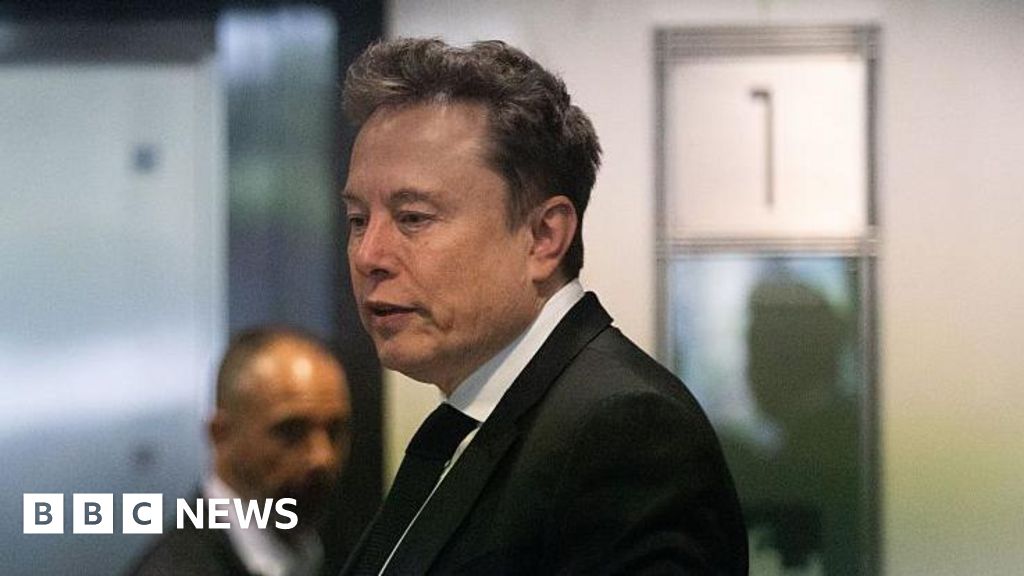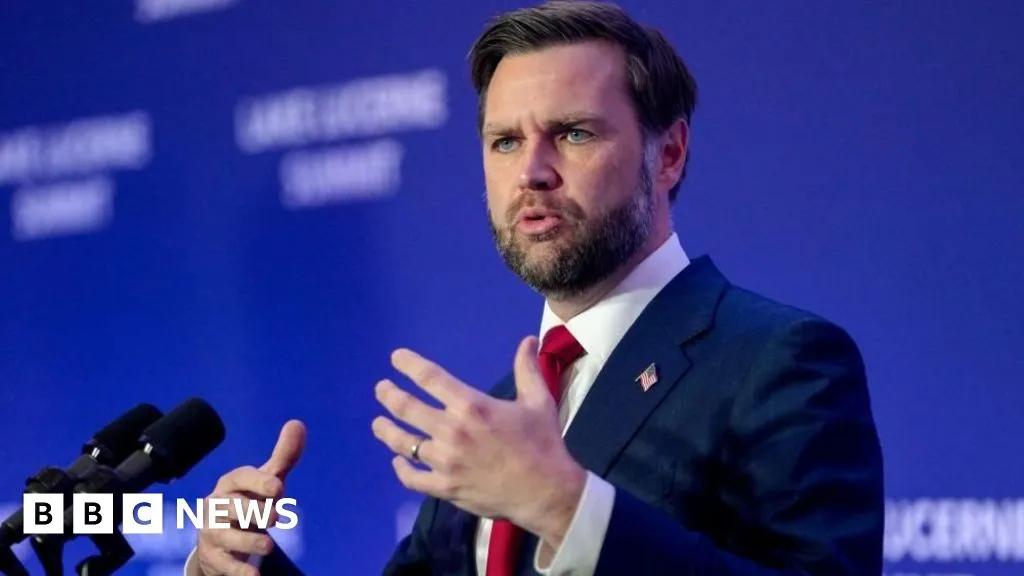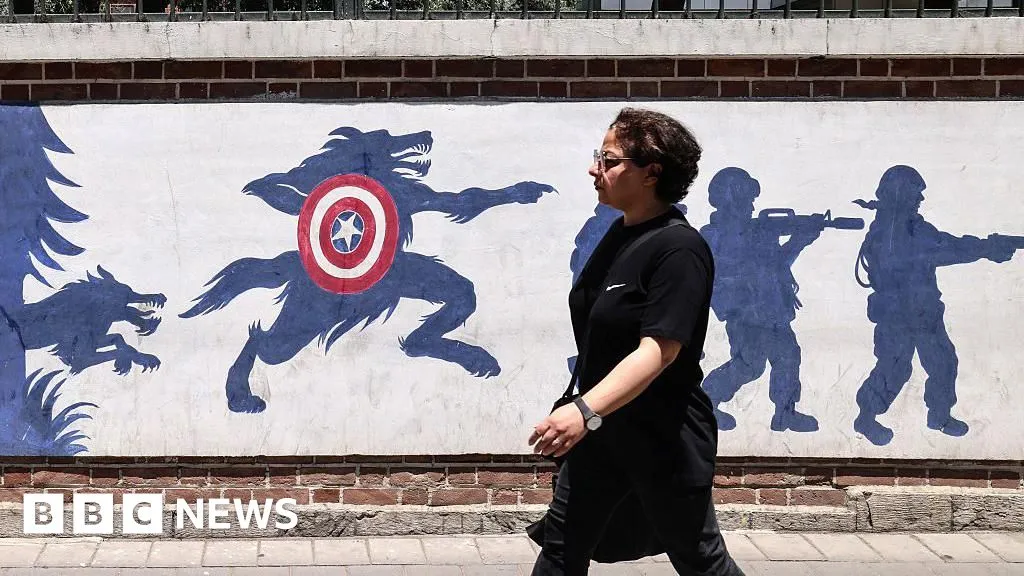
The recent memorandum of understanding between the United States and Iran raises profound questions about the long-term implications of the ongoing conflict. As President Donald Trump and President Masoud Pezeshkian of Iran sign this crucial agreement, the focus shifts to the underlying costs and the future dynamics of Middle Eastern politics.
The Human Toll and Political Shifts
The war has undeniably inflicted a heavy human toll, with thousands of lives lost, including many innocent civilians in Iran and Lebanon. Despite the devastation, the Iranian regime has not only persevered but emerged more entrenched in power. This shift prompts critical reflection on the ultimate purpose of the conflict.
In a surprising turn of events, the regime's strategic maneuvers, including its ability to control the Strait of Hormuz—a crucial passage for the majority of the world's oil and gas supplies—have compelled the Trump administration to make significant concessions. These developments have alarmed American hardliners and raised concerns within Israeli leadership about national security.
The Terms of the Agreement
The newly signed MOU outlines several consequences stemming from the ill-conceived decision to engage militarily with Iran. Key provisions include:
- A ceasefire in Lebanon, which Israel has disputed.
- The lifting of sanctions on Iran, allowing the regime to potentially earn billions from oil exports.
- Plans to unfreeze Iranian assets held abroad, restoring financial avenues for Tehran.
These commitments represent a move towards returning to the status quo that prevailed before the outbreak of hostilities, where diplomatic discussions about a nuclear deal were ongoing amidst an open Strait of Hormuz—an essential lifeline for global trade.
The Irony of Military Intervention
Critics are questioning the rationale behind such military intervention, emphasizing that the ceasefire could be regarded as a strategic failure. Joe Biden's Secretary of State, Antony Blinken, remarked that the ceasefire's primary 'achievement' is the reopening of the Strait, a situation that existed prior to the conflict. The ongoing narrative suggests that the repercussions of this war might represent one of Trump's most significant foreign policy blunders.
Political Consequences for Israeli Leadership
As the Israeli Prime Minister Benjamin Netanyahu faces elections, he is likely to confront scrutiny for the security lapses that led to the Hamas surprise attack on October 7, 2023. His hardline stance and dismissal of diplomacy may backfire, raising questions about his political future.
The Shift in Iranian Strategy
Historically, Iran's leadership, particularly under its former Supreme Leader, Ali Khamenei, exercised restraint in utilizing the Strait of Hormuz as a weapon against global powers. However, recent developments have emboldened the new leadership to use this strategic point as a significant leverage tool, proving effective in recent engagements.
This tactical shift has illuminated the potential of controlling global economic chokepoints at a fraction of the cost compared to traditional military strategies and alliances.
Conclusion
As negotiations resume, and with the specter of a nuclear deal looming, the focus remains on the implications of the US-Iran deal and what it reveals about the broader geopolitical landscape. The ongoing evolution of Iranian power dynamics and the responses from the United States and its allies will shape not only future policy but also the lived realities of millions in the region.
For ongoing updates on this evolving situation, stay tuned to reliable news sources.
Source: BBC News
Source: BBC News - World