In a significant diplomatic shift, the United States has officially lifted its naval blockade of Iran, marking a new chapter in the turbulent relationship between the two nations. This development follows the signing of a controversial agreement aimed at bringing an end to ongoing hostilities in the region.
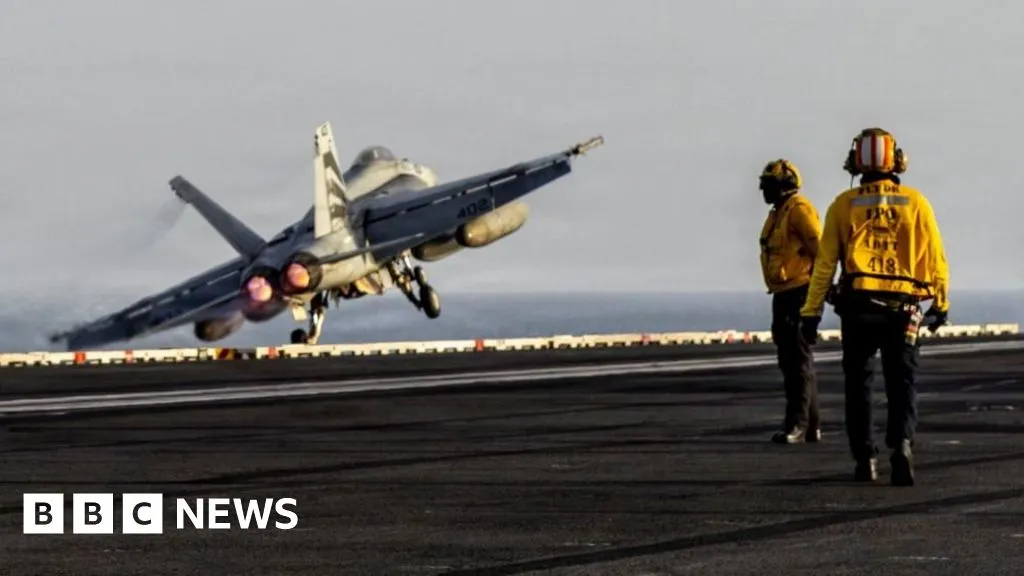
The US Central Command announced the decision to terminate the blockade, stating it was executed “in accordance with the President's direction”. While some US vessels will remain stationed in the area to monitor the situation, the announcement has sparked fresh dialogue between Washington and Tehran.
Iran's Supreme Leader Voices Disagreement
Shortly after the US announcement, Iran's Supreme Leader, Mojtaba Khamenei, publicly expressed his disapproval of the agreement characterized by former President Donald Trump as a decision made “out of desperation.” Despite his reservations, Khamenei noted he approved the deal after being assured by Iranian President Masoud Pezeshkian that the rights of the Iranian nation would be safeguarded.
“While we will engage in future discussions with the US, this will not signify acceptance of an adversarial stance,” Khamenei stressed, emphasizing Iran's intention to maintain its sovereignty in negotiations.
The Details of the US-Iran Agreement
This groundbreaking agreement includes 14 pivotal points, notably the reopening of the crucial Strait of Hormuz and a commitment to ensure Iran never develops nuclear weapons. Additionally, it outlines a substantial $300 billion fund aimed at Iran's reconstruction and economic development, with the US not obligated to contribute.
With a timeframe of 60 days to negotiate a final deal, the clock is ticking. Reports indicate that an official signing ceremony in Switzerland, aimed for Friday, was canceled since the deal has already been signed remotely. However, representatives from both sides are still expected to meet for further discussions.
Reactions and Controversies Surrounding the Deal
Critics in the US, particularly from Republican circles, have voiced their disapproval of the agreement's terms, with Senator Bill Cassidy labeling it the “worst foreign policy blunder in decades.” They argue that the deal fails to sufficiently constrain Iran's nuclear ambitions and may inadvertently encourage aggressive actions in the region.
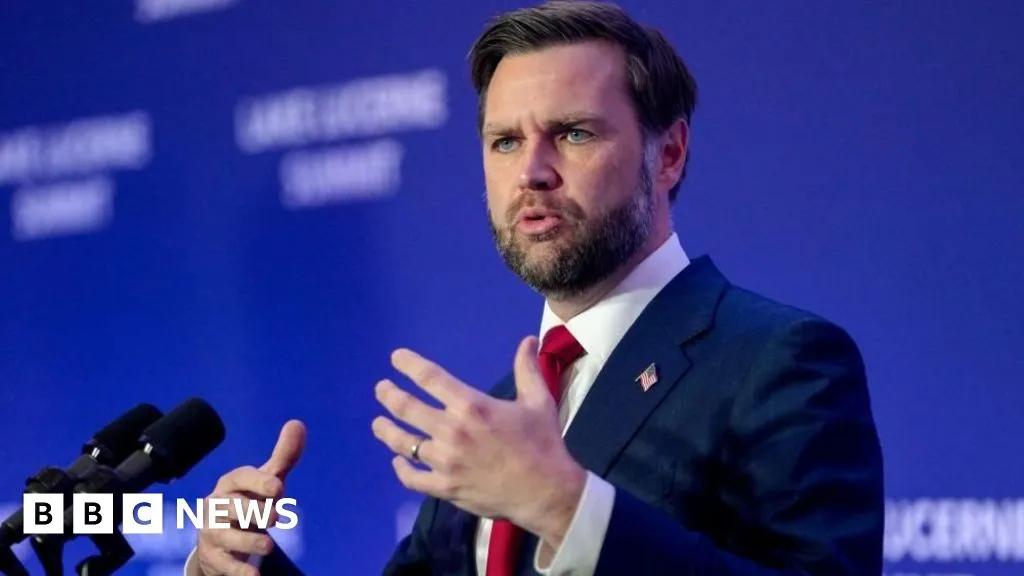
In defense of the agreement, US Vice President JD Vance explained that Iran will not receive any monetary benefits or sanctions relief unless it adheres to the agreement’s obligations, including the destruction of enriched uranium stocks and cessation of support to proxy groups.
Vance has also criticized Israeli officials who have openly opposed the deal, suggesting they reconsider their stance toward a key ally. “If I were part of the Israeli cabinet, I wouldn’t be attacking my most powerful ally,” he remarked, urging for a more collaborative approach.
Conclusion
The lifting of the naval blockade is just one chapter in a complex narrative influenced by decades of conflict and negotiation. As both nations gear up for what promises to be a difficult round of discussions, the global community is closely watching how events unfold.
Source: BBC News - World