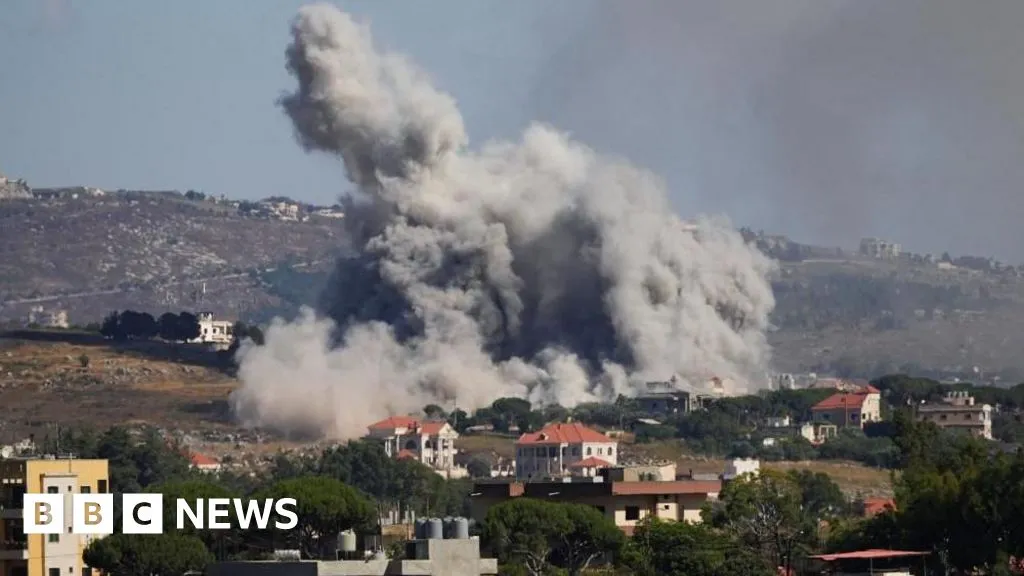
In a significant development, Israel and Hezbollah have reportedly agreed to a ceasefire, as confirmed by a US official. This announcement comes on the heels of devastating Israeli airstrikes in southern Lebanon that resulted in the deaths of 47 individuals, including women and children. The intensifying violence has raised alarms that it could potentially derail a fragile agreement aimed at de-escalating the conflict involving the US and Iran.
Backdrop of Escalating Violence
The ceasefire agreement is a response to escalating hostilities that recently saw four Israeli soldiers killed during clashes with Hezbollah forces. An Israeli military spokesperson emphasized their commitment to neutralizing immediate threats, while Hezbollah's Secretary General, Sheikh Naim Qassem, asserted, "The project to eliminate Hezbollah has failed," signaling the group’s resolve and resilience.
Continued Strikes and Ceasefire Skepticism
Despite the agreement, rescue officials in the city of Nabatieh reported at least 12 airstrikes executed by Israel since the ceasefire took effect. Tensions are further exacerbated by statements from Israel's far-right National Security Minister Itamar Ben Gvir, who declared that Lebanon must face severe consequences following the deaths of Israeli soldiers. He provocatively stated, "For every tear shed by an Israeli mother, 1,000 Lebanese mothers must weep."
International Reactions and Implications
Iranian officials have condemned Israel's actions, with Foreign Minister Abbas Araghchi claiming that Israel seeks a state of perpetual war and emphasizing that any violation of the ceasefire agreement will implicate the US. The ongoing conflict has drawn criticism toward President Trump's administration, suggesting that they may not have complete control over the situation and the final outcome of the deal with Iran.
Human Toll and Displacement
According to Lebanon's health ministry, over 3,900 lives have been lost since the outbreak of the latest conflict, with more than 11,600 individuals injured. The toll includes numerous women and children, and roughly one million people are currently displaced, with widespread destruction evident across many southern communities.
Civilians' Doubts About Ceasefire
As news of the ceasefire spreads, many displaced Lebanese citizens express skepticism about the durability of the agreement. One man voiced his doubts, stating, "The agreement is good, but the Israelis don’t abide by it. How many times have they made agreements? More than once, they don’t commit." This sentiment reflects a growing frustration in communities that have faced repeated violence.
As the situation evolves, the possibilities for long-term peace remain clouded with uncertainty, prompting scrutiny from global observers.
Source: BBC News
Source: BBC News - World