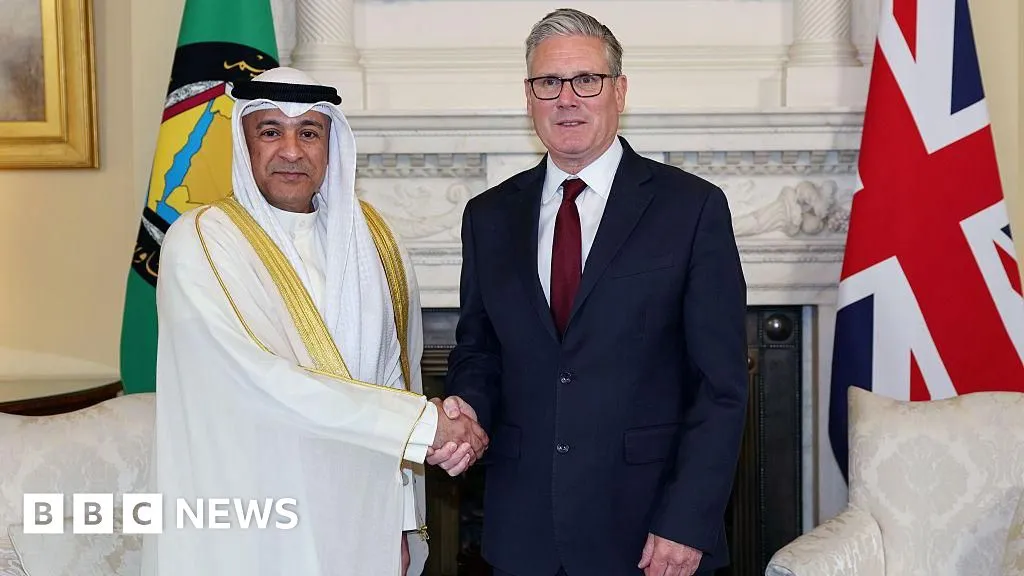
The UK government has proudly announced a significant trade deal valued at £3.7 billion with six Gulf nations: Bahrain, Kuwait, Oman, Qatar, Saudi Arabia, and the United Arab Emirates (UAE). This agreement is projected to eliminate approximately £580 million in tariffs annually on British exports, marking a pivotal step in bolstering economic ties with the Gulf Cooperation Council (GCC).
Benefits for British Businesses
As the deal unfolds, it promises to facilitate greater access for British firms to expand their operations and foster partnerships across the Gulf region. Prime Minister Sir Keir Starmer emphasized that this trade agreement would enhance job security and provide vital support for the UK economy.
Notable British products expected to benefit from the tariff reductions include cheddar cheese, butter, and chocolate, which are set to find a more welcoming market in Gulf countries. The agreement symbolizes a boost for businesses looking to tap into the lucrative Gulf market, and according to Chris Southworth, Secretary General of the International Chamber of Commerce (ICC) UK, it signifies a leap forward in market confidence.
Political Context and Concerns
The Conservative Party, which initiated the negotiations, lauded the agreement as a major opportunity post-Brexit. They pointed out that Labour's views might endanger such beneficial deals due to their pro-EU stance.
However, the announcement has been met with criticism from human rights advocacy groups. The Trade Justice Movement raised alarms regarding the implications for human rights and labor protections within the GCC countries, which are known for their troubling human rights records and environmental issues. They argue that the agreement reinforces ties with some of the world’s most repressive regimes in exchange for minimal economic benefits.
Statements from Key Figures
Business and Trade Secretary Peter Kyle expressed optimism, stating that, especially amid global instability, this deal sends a strong message of confidence, thereby providing UK exporters with the necessary certainty to plan ahead. Chancellor Rachel Reeves echoed this sentiment, asserting that the agreement not only supports British firms but is also advantageous for job creation and consumer welfare.
The Road Ahead
With this new trade agreement, the UK aims to enhance its footprint in the competitive Gulf market while navigating the complex landscape of international relations characterized by economic potential and human rights concerns. This latest pact joins the UK’s previous agreements with India and South Korea and reflects the government’s ongoing efforts to secure advantageous trade deals following Brexit.
As the UK moves forward, stakeholders will be eager to see how this collaboration influences economic growth and job opportunities, alongside addressing the critical human rights issues raised by advocacy groups.
For further information, visit the BBC News article.
Source: BBC News - Business