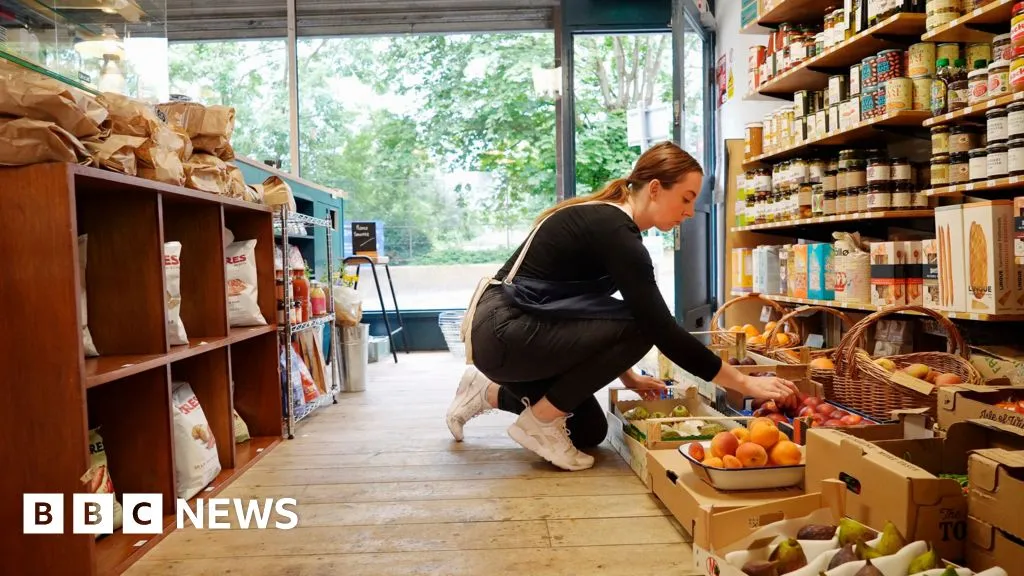
In an unexpected turn of events, the UK's inflation rate has remained steady at 2.8% for the year ending in May, according to recent data released by the Office for National Statistics (ONS). This plateau was largely influenced by a slowdown in food price increases, which have now hit their lowest rate in 17 months.
Key Drivers Behind Inflation
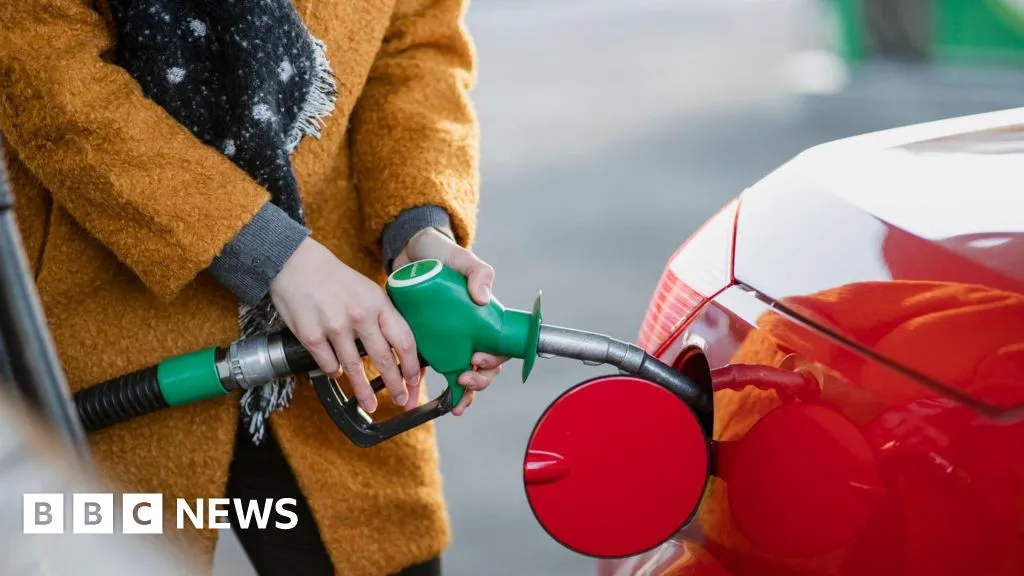
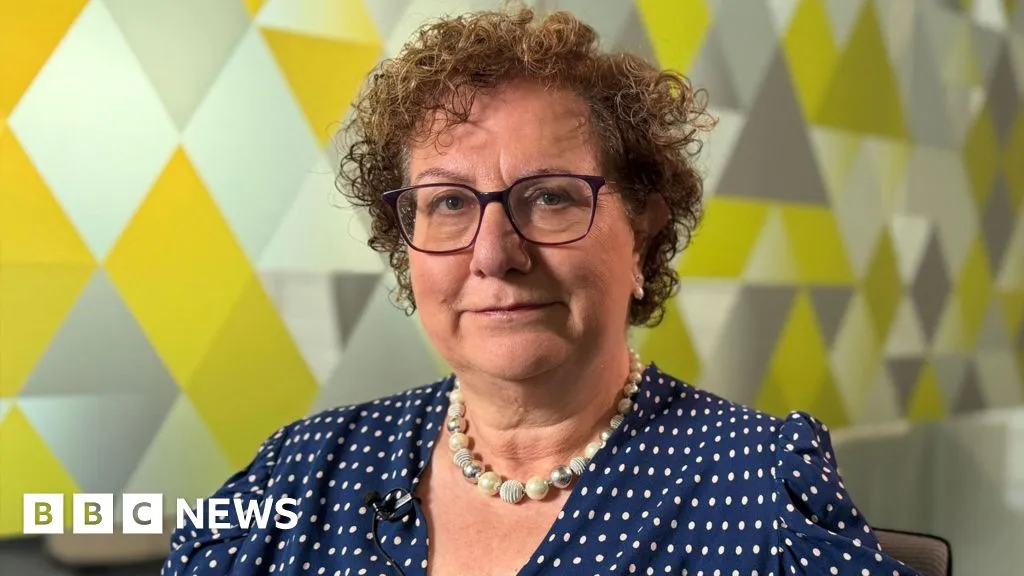
The ONS highlighted that while transportation costs surged, with petrol prices climbing by 24.6% compared to last year, the prices of essential food items showed signs of relief. Notably, dairy, meat, and vegetable prices have seen a reduction in their respective inflation rates. Grant Fitzner, ONS's chief economist, pointed out that these reduced food price hikes have been a stabilizing factor amidst rising fuel costs.
Notably, food inflation dipped from 3% in April to just 2.2% in May, marking the slowest increase since December 2024. Within this framework, specific items like beef and veal saw a decrease in their rate of increase, climbing 9.4% over the year, down significantly from 13.2% in April.
Market Reactions and Future Expectations
In response to these latest figures, organizations like the British Retail Consortium have expressed optimism regarding the competitiveness of the UK supermarket sector. However, they caution that a rise in food inflation could be on the horizon in coming months. Karen Betts, chief executive of the Food and Drink Federation, echoed this sentiment, noting that current prices may not yet fully reflect the inflation caused by external geopolitical pressures, particularly the situation surrounding the Strait of Hormuz.
The Ongoing Impact of Energy Costs
Energy prices, another vital component of inflation, have also shown fluctuation. After a sharp rise due to escalating global tensions, domestic heating oil prices recently retreated. Charlotte O’Leary, an associate economist at the National Institute of Economic and Social Research, warned of a potential upward pressure on inflation should the energy price cap be increased by Ofgem in July.
Political and Economic Commentary
Chancellor Rachel Reeves reaffirmed the government’s commitment to supporting households against rising costs, highlighting initiatives such as cuts in energy bills and freezes on fuel duty. The upcoming interest rate decisions by the Bank of England will be crucial, as economists anticipate the bank may hold rates steady at 3.75% during their next meeting.
Despite the signs of stabilization in food inflation, experts caution that the lingering effects of geopolitical conflicts, particularly in the Middle East, could delay any significant easing in overall inflation until well into 2026.
With many anticipating inflation to remain a pressing issue, the future economic landscape remains uncertain. Suren Thiru, chief economist at the Institute of Chartered Accountants in England and Wales, noted that while current easing might be welcomed, ongoing challenges in energy and supply chains persist.
Conclusion
As the UK navigates these complex economic waters, the balance between stabilizing inflation and managing higher costs will be pivotal. Stay tuned as we continue to monitor these developments.
Source: BBC News - Business