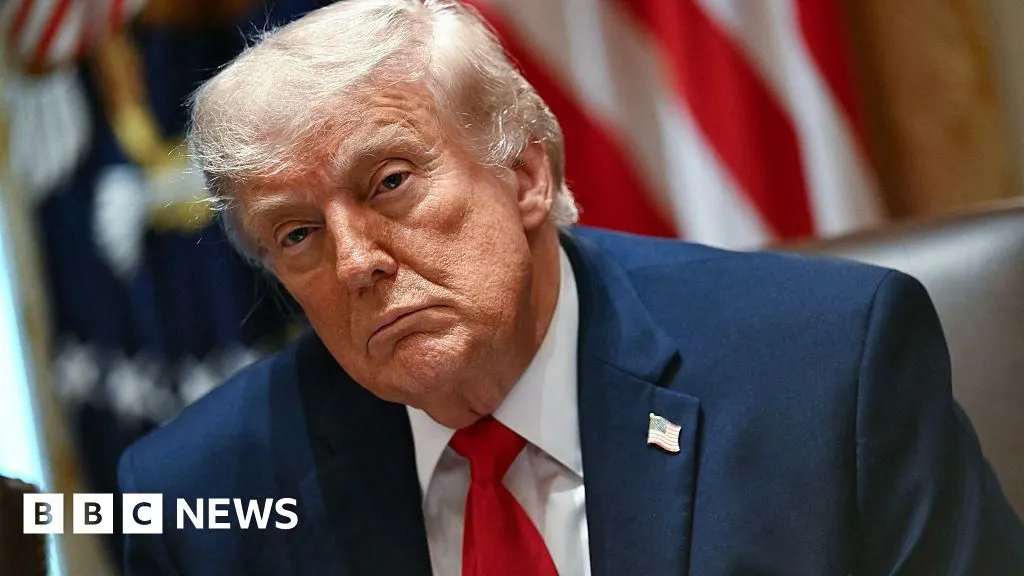
In a significant gathering held at the White House, U.S. President Donald Trump convened with key advisors to discuss the framework for a potential deal with Iran. However, the meeting concluded without a clear path forward, leaving crucial questions unanswered.
Prior to the session, Trump laid out his demands on social media, emphasizing that Iran must commit to never developing nuclear weapons. He also mentioned the necessity of reopening the Strait of Hormuz for unrestricted maritime traffic and called for the removal of mines present in the strait, a vital waterway for global trade.
Iran's response was one of criticism. An advisor to Supreme Leader Ayatollah Ali Khamenei accused Trump of sabotaging diplomatic efforts by imposing what he termed "excessive demands." Meanwhile, Iranian officials underscored their stance that the country’s nuclear program is strictly for peaceful purposes and asserted they are not open to negotiating terms related to it.
Status of the Proposed Deal
Earlier this week, reports indicated that U.S. and Iranian leaders had tentatively agreed on a memorandum of understanding that would extend the current ceasefire for an additional 60 days while establishing discussions surrounding Iran’s nuclear ambitions. However, these discussions remain contingent on final approvals from both Trump and Iranian authorities.
A White House spokesperson confirmed that the high-stakes meeting took place in the Situation Room, a venue typically reserved for critical crisis management, but did not elaborate on the outcome of the discussions.
- Ceasefire Extension: Initial reports suggested a possible two-month extension of the ceasefire.
- Ongoing Naval Blockade: Iranian shipping continues to be obstructed, with U.S. forces actively enforcing the blockade.
- Tensions Highlighted: Trump's insistence on destroying Iran's enriched uranium stockpiles remains a major sticking point.
Reactions from Iran
In light of Trump's latest pronouncements, Mohsen Rezaei, an Iranian official, accused the U.S. president of betraying diplomatic efforts for the third time. He cited the continuation of the naval blockade and perceived unreasonable demands as evidence of a lack of genuine commitment to negotiations.
Iranian news sources expressed skepticism regarding Trump's statements, characterizing them as a blend of fact and misinformation. They also noted that the proposed memorandum did not include provisions for the destruction of nuclear materials, countering U.S. claims.
What’s Next?
With the ceasefire having been in effect since April 8, 2023, and multiple suggestions from Trump that the U.S. and Iran may be close to an agreement, the absence of substantial progress has fueled speculation about the future of negotiations. As tensions remain high, both sides are under increasing pressure, especially given the central role the Strait of Hormuz plays in global oil shipping, handling approximately 20% of the world's oil supply.
As discussions continue, U.S. Secretary of Defense Pete Hegseth hinted at potential military options should negotiations falter, emphasizing the readiness of U.S. forces.
As the world watches closely, the question remains: are the U.S. and Iran any closer to a lasting peace deal, or is this just another chapter in a protracted diplomatic saga?
For more detailed analysis, visit the BBC News article.
Source: BBC News - World