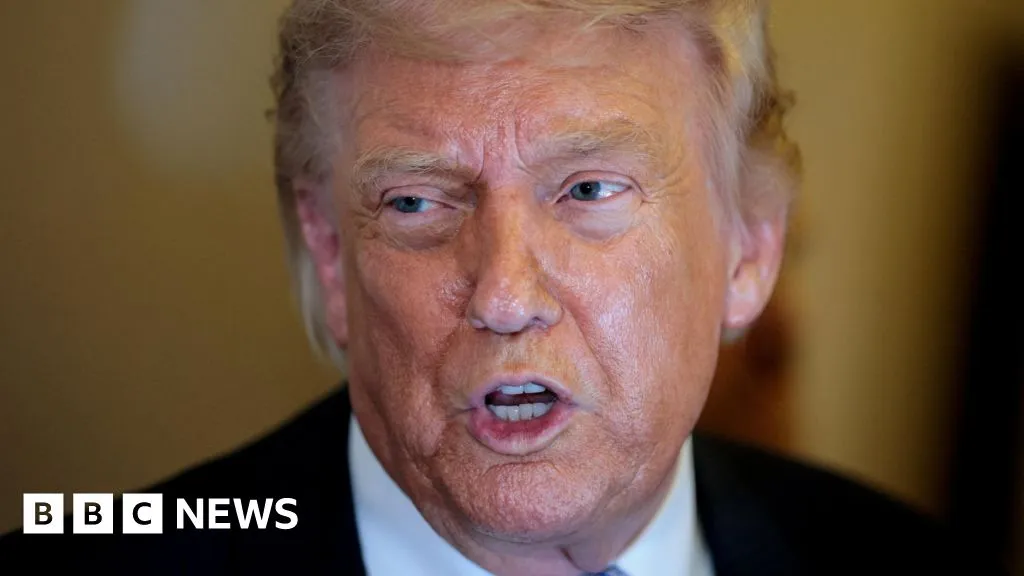
In a pointed message to Iran, former President Donald Trump emphasized that the "clock is ticking" as discussions aimed at ending the ongoing conflict show no signs of progress. Taking to his Truth Social platform, Trump stated, "They better get moving, FAST, or there won’t be anything left of them. TIME IS OF THE ESSENCE!" This warning arrives as he prepares for a conversation with Israeli Prime Minister Benjamin Netanyahu.
US Response Draws Criticism from Tehran
Reports from Iranian media indicate dissatisfaction with the US response to Tehran's recent proposals. The semi-official Mehr news agency highlighted that Washington has yet to present any tangible concessions, leading to concerns about a potential "impasse in the negotiations." Trump's rhetoric echoes his previous warnings that without an agreement, a "whole civilization" could face dire consequences.
Iran's Proposals: Peace or Stalemate?
Iranian officials argue their latest proposals are fair and responsible. Among the demands outlined, Tehran is seeking an immediate cessation of hostilities—particularly concerning ongoing Israeli strikes against Iran-supported Hezbollah in Lebanon—a halt to the US naval blockade of Iranian ports, assurances against future assaults, and compensation for war damages. Moreover, they emphasize their sovereignty over the strategically vital Strait of Hormuz, which plays a crucial role in global oil transportation.
As tensions escalate, Iran maintains control over the Strait of Hormuz, effectively obstructing a major maritime route through which nearly 20% of the world’s oil and liquefied natural gas is shipped. This maneuver is seen as retaliation for perceived aggressions from the US and Israel, contributing to a surge in global oil prices.
US Counter-Proposals: A Strategy of Pressure
In response to Iran's peace proposals, the US has reportedly issued five conditions that include limiting Iran to a single operational nuclear site and requiring the transfer of its highly enriched uranium stockpile to America. Recently, Trump indicated a willingness to consider a 20-year suspension of Iran's nuclear activities, signaling a potential shift in the US stance, moving away from demands for total cessation.
As military operations ramp up, US and Israeli forces continue airstrikes against Iranian targets, initially commencing on February 28. Nonetheless, a ceasefire agreement aimed at reopening dialogue has seen limited compliance, with occasional skirmishes continuing.
Amidst these complexities, Pakistan is stepping in as a mediator in the fraught US-Iran relationship, although significant gaps in expectations between the two nations remain. Will this international intervention succeed in bridging the divide and leading to an enduring peace?
Stay tuned as these developments unfold, affecting not only regional security but the broader landscape of global affairs.
Source: BBC News
Source: BBC News - World