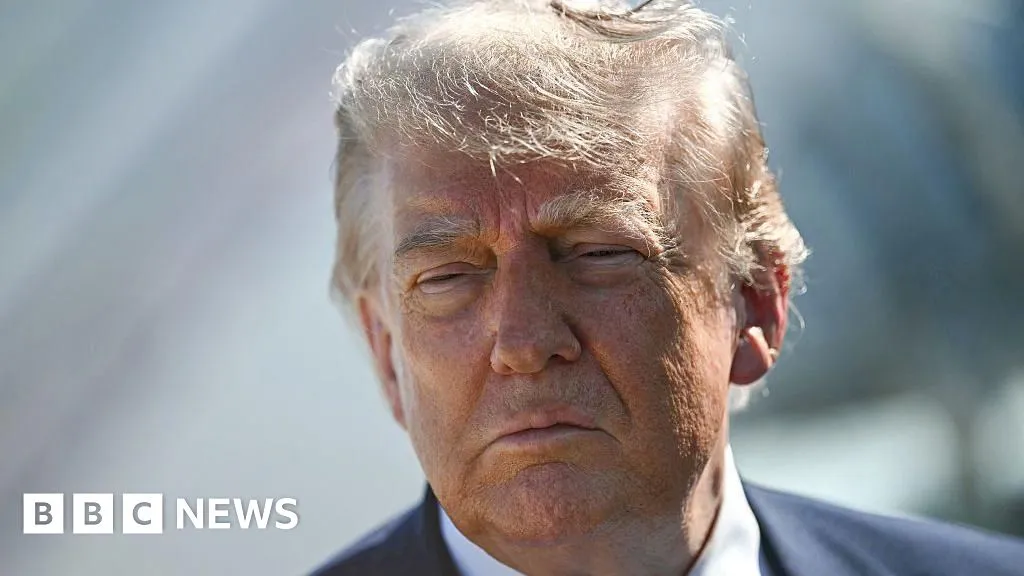
In a recent address, President Donald Trump has instructed US negotiators involved in discussions with Iran to "not rush" into a prospective agreement, urging both sides to exercise caution and ensure that they arrive at a solid deal.
Details of the Proposed Agreement
According to reports from US media outlets, the proposed deal aims for a 60-day extension of the current ceasefire, alongside the reopening of the critical Strait of Hormuz. This strait is essential for global oil and liquefied natural gas transportation, impacting worldwide energy prices.
In his social media commentary, Trump described the ongoing negotiations as "constructive," but emphasized that, "both sides must take their time and get it right." He noted that an agreement had been "largely negotiated," thus stirring speculation of an imminent announcement.
Political Divisions Among Republicans
The potential deal has sparked a divide among Republican lawmakers. Some key figures, such as Senator Ted Cruz, have condemned it as potentially disastrous, arguing it could be overly lenient towards Iran. In contrast, Representative Mike Lawler praised the administration's efforts, indicating that substantial pressure has forced Iran back to the negotiating table.
Current State of Affairs
Since the escalation of military actions by the US and Israel against Iran on February 28, tensions have remained high in the Middle East. Despite an April ceasefire meant to facilitate talks, skirmishes continue intermittently.
Trump reiterated in his statements that any deal must ensure that Iran does not advance its nuclear weapon capabilities, a concern widely shared by allies in the region. As the negotiations unfold, Tehran has maintained its assertion that its nuclear program is intended solely for peaceful purposes.
Iran's Position and the Strait of Hormuz
In a potential concession, the deal might require Iran to relinquish a portion of its highly-enriched uranium, estimated at around 440 kg, which could otherwise be used to develop nuclear weapons. Notably, Trump has stated that the US blockade of Iranian ports will persist until a credible agreement is reached.
Compounding the situation, the Strait of Hormuz remains under Iranian control, creating a significant choke point for global oil supplies and contributing to rising oil prices across markets.
Optimism Amidst Challenges
Secretary of State Marco Rubio has described the progress made as "significant" but not yet final. He hinted at potential developments that could lead to a more open Strait of Hormuz, which would benefit global oil trade. Pakistani Deputy Prime Minister Ishaq Dar, who is mediating the discussions, expressed optimism regarding the negotiations, suggesting that a positive resolution might be within reach.
However, media reports caution that no agreement is expected to be ratified immediately, leaving the situation fluid and the world watching closely.
For more in-depth coverage on this evolving story, visit: BBC News.
Source: BBC News - World