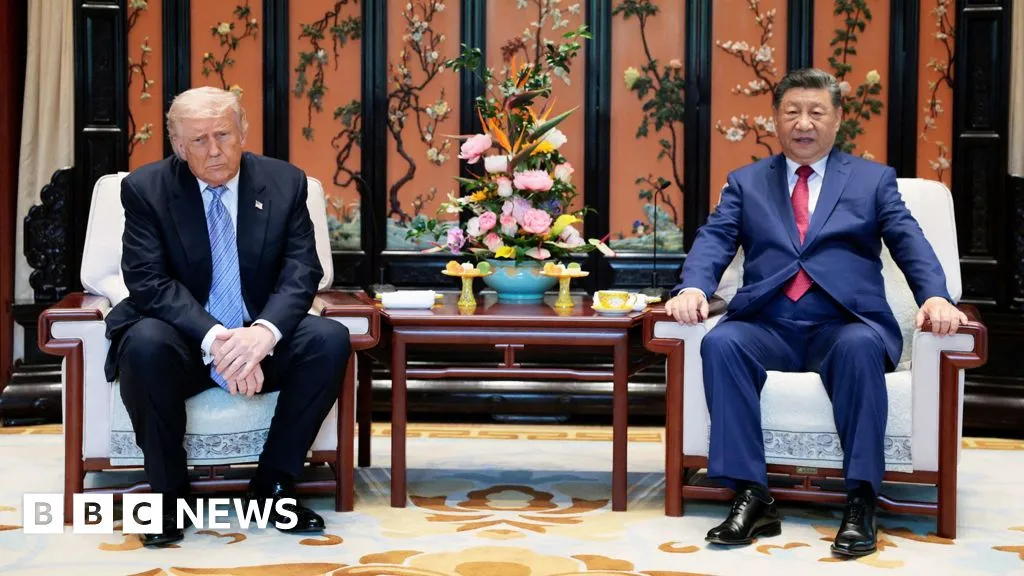
In a significant diplomatic exchange, President Trump has cautioned Taiwan against making any official moves towards declaring independence from China. This warning follows a two-day summit in Beijing with Chinese President Xi Jinping, where the two leaders engaged in discussions about Taiwan's political status and rising regional tensions.
"I’m not looking to have somebody go independent," Trump stated in an interview with Fox News, stressing his desire for both Beijing and Taipei to "cool down" the escalating tensions surrounding the self-governing island. His comments come amidst growing concerns over potential confrontations in the Taiwan Strait, which Trump emphasized could have serious implications for US-China relations.
Taiwan Stance: Already a Sovereign Nation
Taiwan's President Lai Ching-te has expressed that formal independence is unnecessary, as many Taiwanese already view their nation as a sovereign entity. Although the US has a long-standing policy of supporting Taiwan, including legal obligations to assist in its self-defense, it seeks to maintain a careful balance in its diplomatic relationship with China. This delicate stance has often left US officials navigating complex waters between supporting Taiwan and adhering to the One China policy.
Key Insights from the Summit
During a flight back to Washington, Trump revealed that he and Xi discussed Taiwan extensively but refrained from committing to a specific stance on US defense for the island. Trump noted that Xi has strong sentiments regarding Taiwan and expressed his hopes for peace, saying, "The Taiwan question is the most important issue in China-US relations." This view underscores the heightened sensitivity surrounding the situation.
Avoiding Conflict: Trump’s Perspective
When pressed about the likelihood of a military conflict over Taiwan, Trump remained optimistic, stating, "No, I don’t think so. I think we’ll be fine. [Xi] doesn’t want to see a war." His commitment to avoiding tension echoes previous US policies aimed at preventing unilateral changes to the status quo, which Beijing has historically contested.
Military Exercises Heighten Regional Tensions
The backdrop to these discussions includes China's increasing military drills around Taiwan, raising alarms over the potential for military escalation. In response to these threats, the Trump administration has previously approved a substantial weapons package for Taiwan, fueling discontent in Beijing. As Trump considers the future of this military aid, he indicated that further discussions with Taiwan's leadership are necessary.
Foreign Policy Navigation
The US maintains an unofficial yet substantial relationship with Taiwan, a dynamic that complicates direct engagements with Taiwanese leaders. Trump’s cautions about Taiwan seeking independence underscore a broader intention to keep diplomatic channels open, aiming to reassure Beijing that the US does not support moves that could destabilize the region.
As Taiwan’s Foreign Minister Lin Chia-lung monitors the developments from the recent summit, he emphasized the importance of continuous dialogue with the US to safeguard Taiwan's interests and maintain stability in the region.
Amid these diplomatic efforts, the situation remains complex, with potential ramifications for the future of US-China relations and the status of Taiwan.
Source: BBC News - World