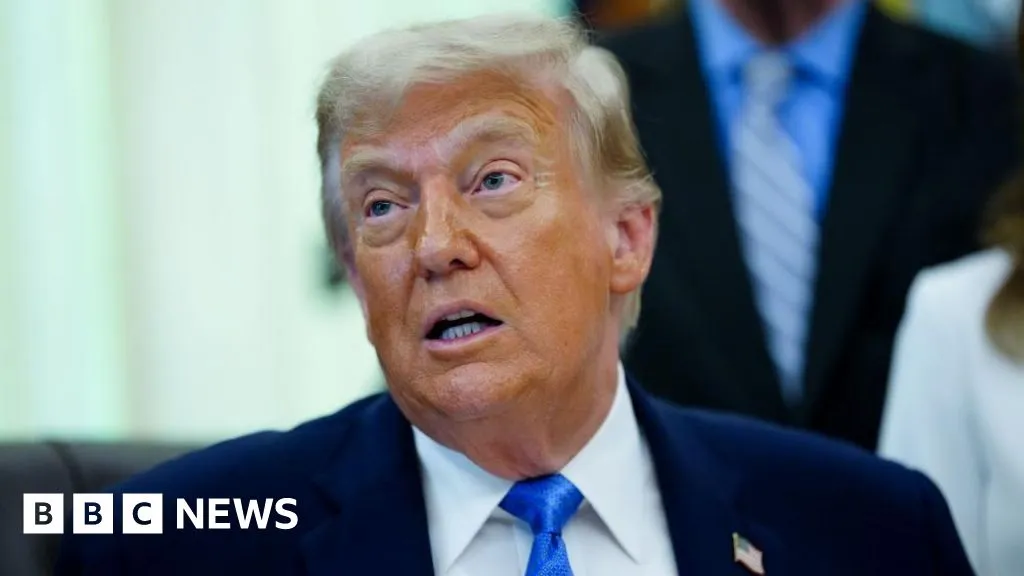
In an unexpected twist, former President Donald Trump recently declared that he "loves the inflation" currently affecting the U.S. economy. This comment came amidst rising consumer prices, which have surged at their fastest pace in three years. According to the latest figures from the Bureau of Labor Statistics (BLS), inflation reached a remarkable 4.2% in May, marking a rise from 3.8% the previous month.
Speaking at the White House, Trump expressed his enthusiasm for the economic indicators, stating, "I love it. The numbers were great. You know what? I really love the inflation." His comments come in the context of escalating energy costs spurred by heightened tensions surrounding the U.S.-Israel conflict in Iran.
The Impact of Global Events on U.S. Prices
As the situation unfolds, consumers across the nation are beginning to feel the squeeze of increasing prices, particularly in the energy sector. Despite Trump's claims of favorable operations—where U.S. forces reportedly removed millions of barrels of oil from Iran—the global oil market remains volatile. Brent crude continues to trade significantly higher than pre-war levels, exacerbating the financial burden on American households.
The Consumer Price Index (CPI) has now recorded inflation growth for three consecutive months, raising concerns about potential interest rate hikes by the U.S. Federal Reserve. The last period of such high inflation was in April 2023, closely tied to the global energy crisis following Russia's invasion of Ukraine.
Challenges Ahead for the Biden Administration
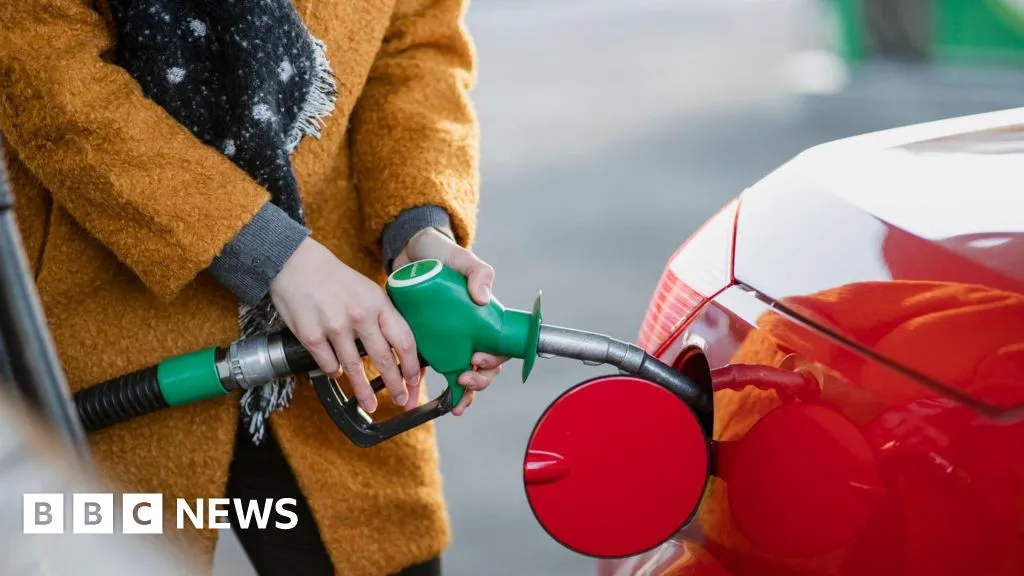
With energy bills averaging nearly 25% higher than a year earlier, and gasoline prices soaring to an average of $4.15 per gallon—up from $2.98 just months ago—American families are facing rising costs on multiple fronts. The AAA's current figures underscore the urgency of the inflation situation, as many Americans brace for the economic implications leading up to the November midterm elections.
- Rising transportation costs and healthcare expenses are also contributing to inflationary pressures.
- Trump has assured his supporters that inflation will "come down like a rock" following the resolution of the conflict with Iran.
- Economists warn that a swift resolution in the region may still leave the U.S. grappling with these economic challenges until at least 2027.
The Fed's Dilemma
The long-term inflation target for the Federal Reserve remains at 2%. However, the pressures created by ongoing geopolitical tensions complicate monetary policy decisions. Kevin Warsh, the recently appointed governor of the Federal Reserve, faces a significant challenge as he prepares for his first interest rate decision, especially with inflation rates well above the target.
Looking ahead, many economists predict that the Fed will likely maintain the current interest rates of 3.5% to 3.75%. Still, should inflationary trends persist, a rate hike could be imminent. Observers emphasize that the latest inflation figures are not adequate to prompt drastic changes from the Fed's decision-makers.
Conclusion
The comments made by Trump highlight the complex interplay between politics and the economy, especially as the nation navigates turbulent waters in both sectors. With inflation becoming a key issue for voters, how the administration responds may shape the political landscape in the coming months.
For further insights, visit .
Source: BBC News - Business