In a significant escalation of tensions in the Middle East, the United States military has engaged and struck seven Iranian fast boats as part of ongoing operations in the Strait of Hormuz. This move comes in response to Iranian attacks on oil facilities in the United Arab Emirates (UAE), raising alarms across global shipping industries.
Successful Evacuation of US-Flagged Vessel
Shipping giant Maersk confirmed that one of its US-flagged vessels successfully navigated through the notoriously perilous Strait of Hormuz under the protection of US military forces. President Donald Trump termed this operation "Project Freedom," highlighting the urgent need for safe passage through this critical maritime channel.
As tensions mounted, Iranian Foreign Minister Abbas Araghchi stated, "Events in the strait make clear that there’s no military solution to a political crisis" and dismissed Project Freedom as more of a deadlock than a resolution.
Recent Strikes and Incidents
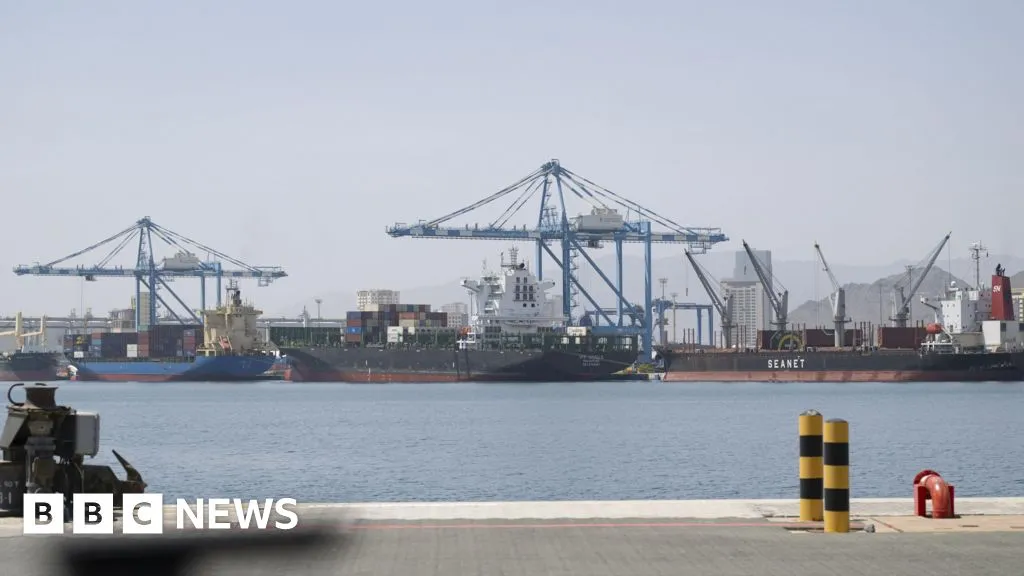
The situation has been compounded by reports of Iranian attacks targeting ships in the vital waterway. The UAE has reported a fire outbreak at its key oil port in Fujairah, coinciding with reports from South Korea about explosions affecting its vessels in the region. Following these developments, Maersk reported that all crew members aboard the Alliance Fairfax, their US-flagged vessel, are safe after successfully exiting the Gulf.
On the military front, US reports indicated that navy destroyers and US merchant vessels sailed through the Strait of Hormuz on Monday. Conversely, Iranian media contested Trump’s claims regarding the strikes, asserting that two cargo vessels were instead targeted, resulting in civilian casualties.
Wider Implications for Global Oil Supply
The Strait of Hormuz is pivotal, facilitating approximately 20% of the world's oil supply. Given the ongoing unrest and US sanctions imposed on Iran, the shipping through this waterway has been severely affected. In a troubling sign for the global economy, the benchmark Brent crude oil price surged past $115 a barrel soon after the Fujairah attacks.
Local Iranian military officials stated there are no intentions to target the UAE directly. However, international leaders expressed strong condemnation of the attacks on UAE infrastructure. French President Emmanuel Macron described the incidents as "unjustified and unacceptable," while the UK and Germany echoed calls for de-escalation and renewed negotiations.
Regional Reactions and Future Prospects
- The UAE’s foreign ministry reported injuries and significant damage caused by the attacks, further aggravating regional tensions.
- Saudi Arabia urged Iran to abide by good neighborliness principles to maintain stability in the region.
- The situation prompts a crucial juncture for diplomatic engagements, with calls for Iran to return to the negotiating table.
The unfolding events in the Strait of Hormuz not only spotlight the fragility of geopolitical relations in the Gulf but also underline the interconnectedness of regional security and global energy markets.
To stay updated on these critical developments, refer to our complete coverage.
Source: BBC News
Source: BBC News - World