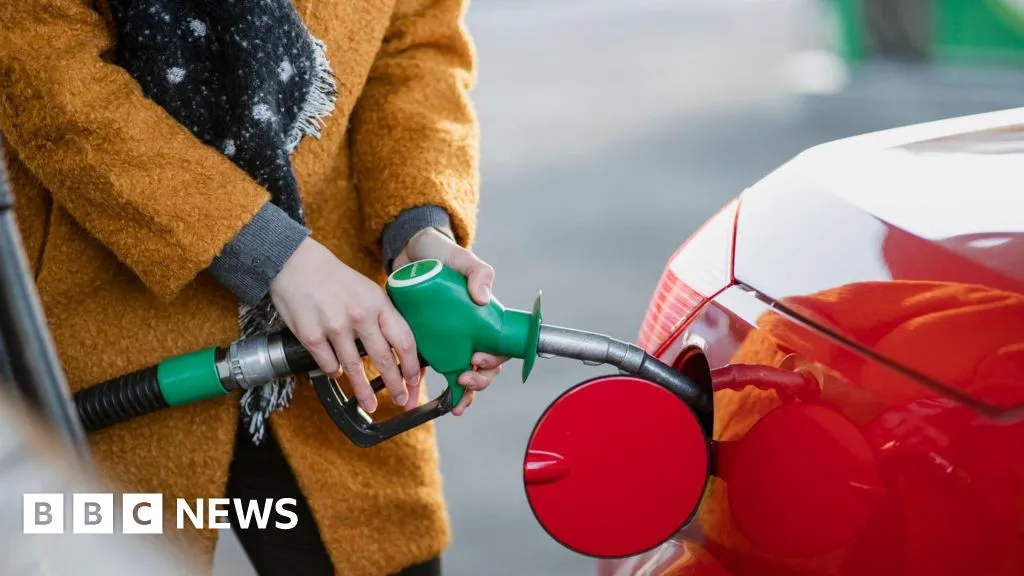
As the turmoil in the Middle East intensifies, millions of UK households are facing an unexpected surge in energy bills. The latest announcement from energy regulator Ofgem reveals that starting in July, average energy costs will rise by 13%, resulting in an annual increase of £221 for typical users.
The Details Behind the Increase
A typical household, consuming an average amount of energy, will see their annual energy bill skyrocket to £1,862. This troubling rise stems from a drastic increase in wholesale costs, directly linked to the ongoing conflict involving Iran and US-Israel tensions.
What This Means for Households
- The increase translates to an additional £18 on monthly energy bills.
- Gas bills are anticipated to rise by 24%, while electricity fees will go up by 5%.
- 33 million households across England, Scotland, and Wales will be affected by this price cap.
The price rise is significant considering that just a few months ago, energy bills had dropped by 7% between April and July, following recent government adjustments. The current spike is primarily attributed to disruptions in oil and gas supply routes, particularly through the critical Strait of Hormuz, affecting approximately a fifth of the world’s energy supply.
Challenges Ahead
Experts warn that energy costs may continue to climb as winter approaches. Many households have already taken proactive measures to manage rising costs, such as reducing thermostat settings and enhancing their home's energy efficiency.
Official Commentary
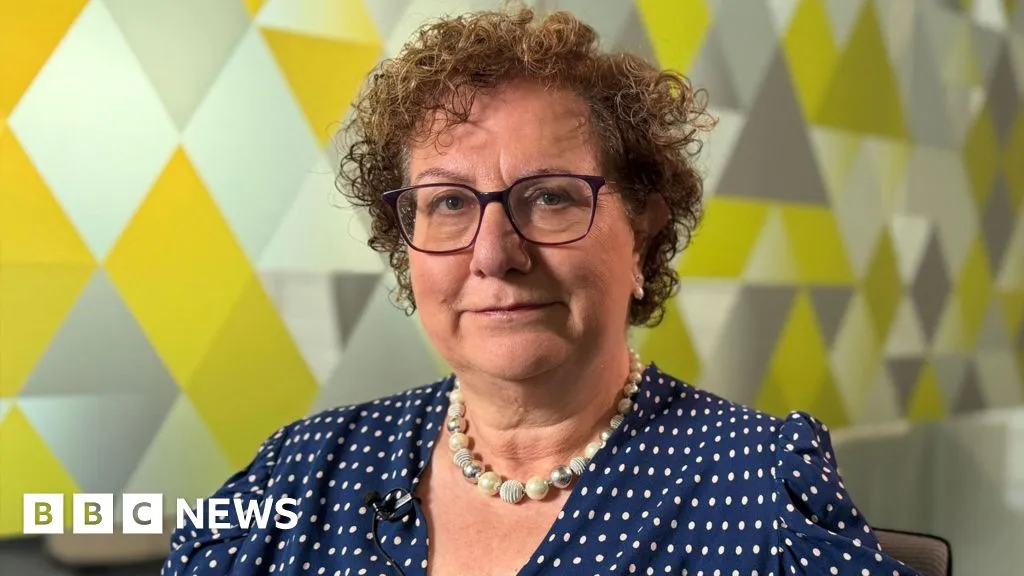
Ofgem Chief Executive, Tim Jarvis, recognized the burden that these rising costs place on consumers, advising households to consider fixed tariffs or alternative payment methods to ease the impact.
Energy Secretary Ed Miliband echoed these concerns, stating, "The rise in the price cap because of a war we did not choose is deeply unwelcome news for households across the country. Our priority is to ease the financial burden on families during this challenging time."
Looking Ahead
The potential increase in energy bills has raised alarms about the upcoming winter months when demand typically surges. Many households are already feeling the pinch, as an average family has seen an increase of around £600 compared to pre-crisis levels in 2022-23.
While approximately 40% of households on fixed tariffs may not see immediate changes, the broader impact of these price escalations remains a significant concern. Efforts are underway to develop targeted support for those most affected, ensuring that assistance is available to manage these surging costs.
As we prepare for what lies ahead, households are encouraged to adopt energy-saving habits and to keep informed about government initiatives and support programs.
For more updates on how international events affect your daily expenses, stay tuned.
Source: BBC News
Source: BBC News - Business