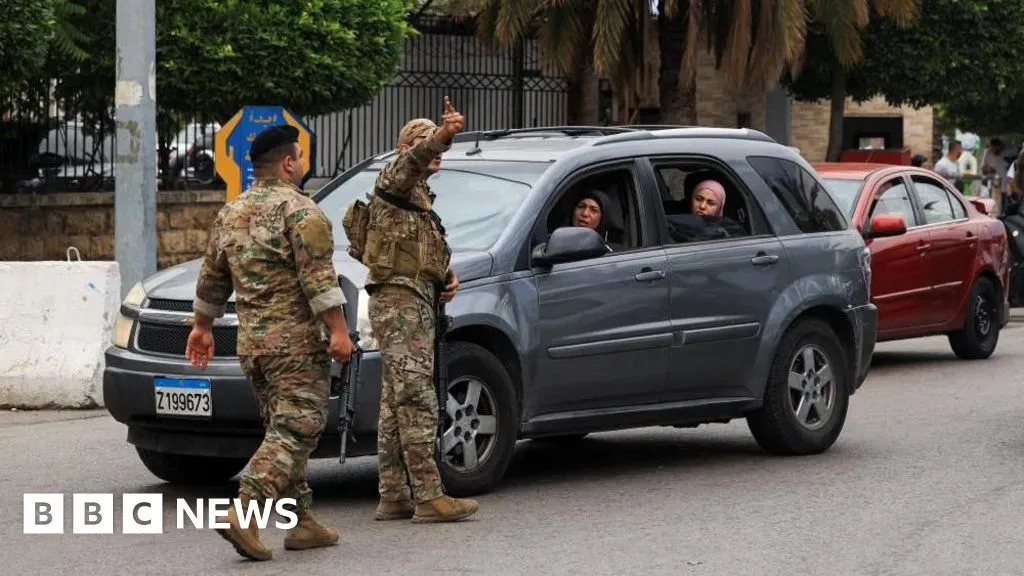
In a significant escalation of regional tensions, Iran has issued a stern warning that ongoing Israeli military actions in Lebanon pose a direct threat to the fragile ceasefire agreement facilitated by the United States. The warning comes in light of Israeli Prime Minister Benjamin Netanyahu's recent authorizations for strikes targeting Hezbollah positions in the southern suburbs of Beirut.
The Impact of Israeli Military Actions
Iran's Foreign Minister, Abbas Araghchi, emphasized that any violation of the ceasefire agreement—initially established on April 8—on one front could undermine peace on all fronts, stating, "this ceasefire applies unequivocally to Lebanon as well." The tension escalated after Israel retaliated to drone and rocket assaults attributed to Hezbollah along its northern border.
Netanyahu, addressing the nation, affirmed that Israel would target locations identified as "terror bases" in Beirut and confirmed the military's readiness to conduct operations in southern Lebanon despite international calls for restraint.
International Reactions and Diplomatic Efforts
Simultaneous to these developments, former US President Donald Trump indicated that diplomatic dialogues with Iran are ongoing. Through social media, Trump stated he had recent productive communications with both Netanyahu and Hezbollah representatives, insisting that any further military actions could be curtailed with mutual agreements:
- Trump declared, "There will be no troops going to Beirut, and any troops that are on their way have already been turned back."
- He also mentioned that Hezbollah had agreed to stop attacks against Israel in return for a cessation of Israeli military operations in Beirut.
Netanyahu later confirmed the dialogue with Trump and reiterated Israel's stance: "If Hezbollah continues to assault our cities and civilians, Israel will proceed to strike terrorist targets in Beirut."
A Fragile Ceasefire
Meanwhile, Lebanon's presidential office disclosed that it had received a confirmation regarding Hezbollah's acceptance of a ceasefire proposal from the US. This arrangement entails a commitment from Israel to halt strikes on Beirut in exchange for Hezbollah's assurance to refrain from further aggressions against Israel.
Iranian news outlets, particularly those linked to the Islamic Revolutionary Guard Corps, reported that Tehran might reconsider its indirect negotiations with the US if Israeli operations in Lebanon persist. State media further warned of the severe consequences for the ongoing ceasefire, notably the potential activation of new fronts, including the strategic Bab al-Mandab Strait.
The Broader Implications on Global Markets and Regional Stability
The US, keen on mitigating risks to its previously established ceasefire agreement, has pressured Israel to limit its military engagements in Lebanon, attempting to decouple these actions from wider negotiations with Iran. This past weekend, tensions surged anew in the Strait of Hormuz, as reports surfaced of US strikes on Iranian military installations, prompting Iranian retaliation towards a US base in Kuwait.
Consequently, oil prices have spiked, with Brent crude experiencing a nearly $5 increase to $97.44 per barrel. This volatility underscores the ongoing conflict's far-reaching effects on global energy markets, especially as the three-month-long war has effectively obstructed the Strait of Hormuz, vital for international oil and gas supplies.
As diplomatic efforts continue and ceasefire conditions remain fragile, the international community watches closely as developments unfold.
Source: BBC News - World