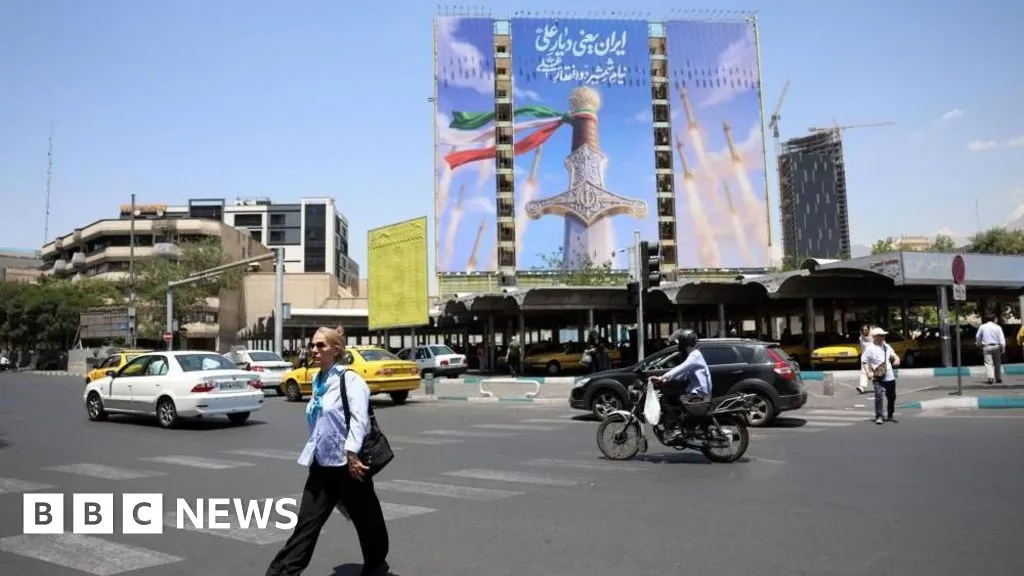
In a significant diplomatic move, Iran's Foreign Minister Seyed Abbas Araghchi revealed that discussions for a peace agreement with the United States are nearing completion. This deal, if finalized, promises to pave the way for an end to ongoing hostilities and the reopening of the pivotal Strait of Hormuz.
Details of the Agreement
According to reports, the agreement includes:
- Lifting of the US blockade: The deal encompasses an easing of restrictions on Iranian shipping, which has been a point of contention.
- Transition to Negotiations on Nuclear Program: Although specific talks regarding Iran's nuclear capabilities are slated to commence afterward, Iran underscores that its program is solely for peaceful means.
- Returning economic stability: The agreement aims to reintegrate Iran into the global economy gradually.
This proposed deal follows a turbulent sequence of events marked by military confrontations that began on February 28, when US and Israeli airstrikes stirred conflict in the region. Tensions escalated rapidly, leading to Iranian retaliations against US allies in the Gulf and the closure of the Strait of Hormuz, a critical artery for global oil and gas transportation.
Recent Developments and Comments
While a ceasefire was tentatively established in April, sporadic exchanges of fire persisted, culminating in a series of retaliatory strikes this past week. Adding to the complexity, President Donald Trump communicated his decision to abort planned military strikes against Iran following the purported advance in negotiations.
Amid these developments, Prime Minister Shehbaz Sharif of Pakistan, acting as a mediator, announced that a Memorandum of Understanding (MOU) stressing the agreement is in its final stages and awaits approval.
Path Forward
US officials confirmed the MOU aims for the immediate reopening of the Strait of Hormuz. However, the benefits for Iran are contingent on strict compliance with the terms outlined. Officials emphasized that economic advantages would be released incrementally, based on verified actions taken by Iran.
Crucially, Iran will need to curtail its financial support to proxy groups in the region, specifically targeting Hezbollah and similar organizations. As negotiations progress, optimism remains cautious but nascent.
Looking Ahead
As the potential for peace hangs in the balance, both Iranian and US officials express hope for a resolution in the coming days. Araghchi remarked, "As soon as the final stages of our negotiations are completed, this agreement will be signed and announced. I am very hopeful."
The international community watches closely as the proposed agreement shapes the future of relations between the US and Iran, amidst a backdrop of longstanding tensions and intricate global dynamics.
Source: BBC News - World