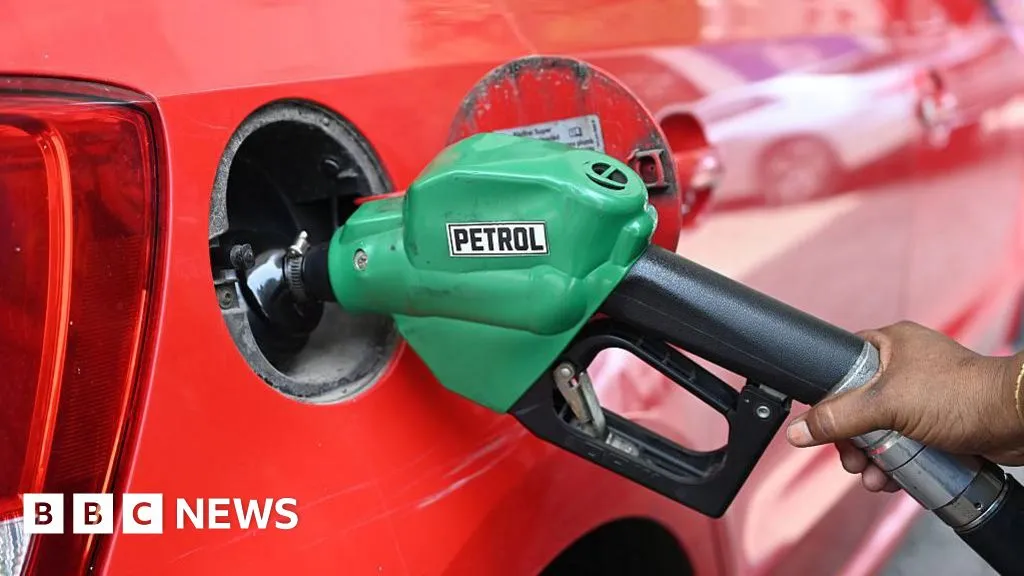
In a significant development for the global energy market, oil prices have seen a notable decline following emerging hopes for a potential peace agreement between the United States and Iran. This optimistic outlook has also positively impacted Asian stock markets, indicating a shift in investor sentiment amid ongoing geopolitical tensions.
Negotiations Taking Shape
Commenting on the situation, US Secretary of State Marco Rubio stated that there is a "pretty solid thing on the table" regarding negotiations aimed at resolving the US-Israel conflict with Iran. He suggested that an agreement could be finalized as early as Monday, stirring excitement in the market. On Monday morning, global oil benchmark Brent crude dropped 5.5% to $97.90 per barrel, while US-traded crude fell by 5.9% to $90.93.
Details of the Proposed Agreement
Former President Donald Trump revealed that the proposed peace deal would involve reopening the vital Strait of Hormuz, a major thoroughfare for global oil shipments. However, he did not elaborate on specific terms or conditions. Despite Iran’s indication that progress is being made, an official spokesperson noted that an agreement is "not imminent."
The Strait of Hormuz, responsible for the transit of approximately 20% of the world's oil and liquefied natural gas, has been effectively shut down since the conflict escalated on February 28
Delays and Expectations
While Rubio expressed optimism, he acknowledged that the negotiations remain a work in progress. Meanwhile, Esmail Baqai, Iran's foreign ministry spokesperson, emphasized that while significant issues have been addressed, predicting an imminent signing of the agreement would be premature.
Global Energy Market Reactions
Despite the recent dips in crude oil prices, they continue to be significantly higher compared to pre-conflict levels, where Brent oil traded around $70 a barrel. The volatility in energy prices began escalating in March after Iran threatened to target ships entering the Strait in retaliation for perceived US and Israeli aggression.
Looking Ahead
Energy analysts are cautiously optimistic about the short-term impacts of these negotiations. Saul Kavonic, head of energy research at MST Financial, remarked, "There is now some light at the end of the tunnel, which will bring some near-term oil price relief." However, he cautioned that even with a favorable outcome, oil markets are likely to remain tight through 2027 due to the time needed for normalizing oil flows, repairing damaged facilities, and replenishing global stock levels.
Impact on Shipping Industry
Lars Jensen, CEO of Vespucci Maritime, noted that even if an agreement is reached soon, the shipping sector may proceed with caution. Vessels currently in the Persian Gulf could be pulled from the area, as shipping lines will hesitate to re-enter the region amid lingering uncertainties.
Market Upheaval in Asia
As the situation evolves, the Nikkei 225 stock index in Japan witnessed a rise, climbing above 65,000 for the first time, gaining 3% largely on hopes for an imminent reopening of the Strait. Japan and South Korea, both heavily reliant on energy supplies from the Gulf, are particularly sensitive to these developments.
As financial markets in the UK and US remain closed for public holidays on Monday, the global community is watching closely for updates on this evolving situation.
For the full article, visit the BBC's news page.
Source: BBC News - Business