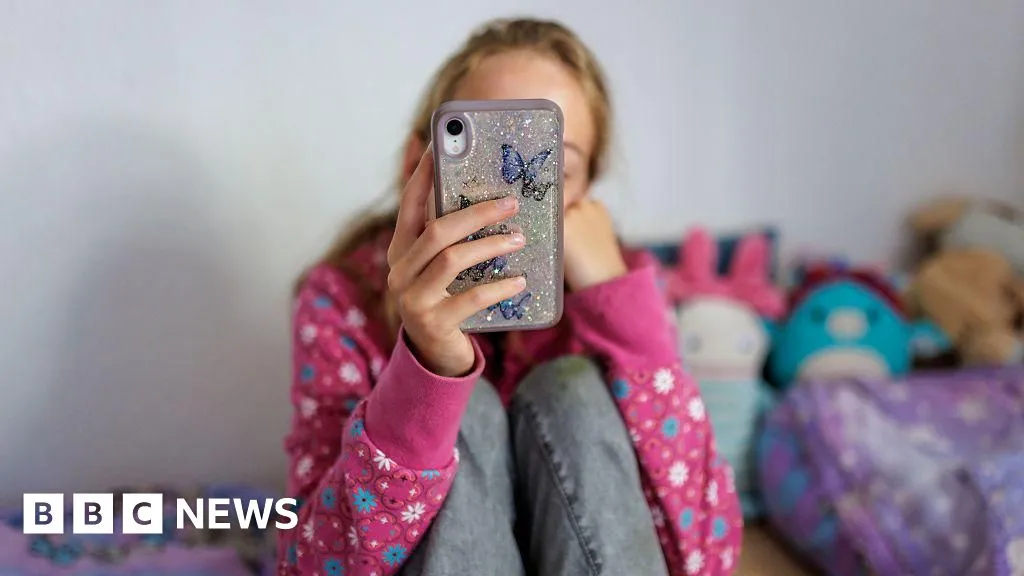
In a recent report, Ofcom has voiced serious concerns regarding the safety of TikTok and YouTube for children, declaring their content feeds "not safe enough" for young users. This revelation follows the regulator's push for stronger protections against online harms targeting children and adolescents.
Industry Response: TikTok and YouTube Defend Their Safety Measures
YouTube has responded to Ofcom's criticism by emphasizing its collaboration with child safety experts to provide what it calls "industry-leading, age-appropriate" experiences for younger audiences. Meanwhile, TikTok expressed disappointment, claiming that Ofcom did not sufficiently recognize the platform's existing safety features.
Ofcom’s report specifically evaluates responses from five major social media platforms, highlighting that TikTok and YouTube have not committed to significant changes aimed at reducing exposure to harmful content for children.
Shifting Perspectives on Online Safety
According to social media consultant Matt Navarra, the conversation around online safety has shifted dramatically. He noted, "The focus is changing from whether platforms effectively remove harmful content to questioning why such content is being shown to children in the first place."
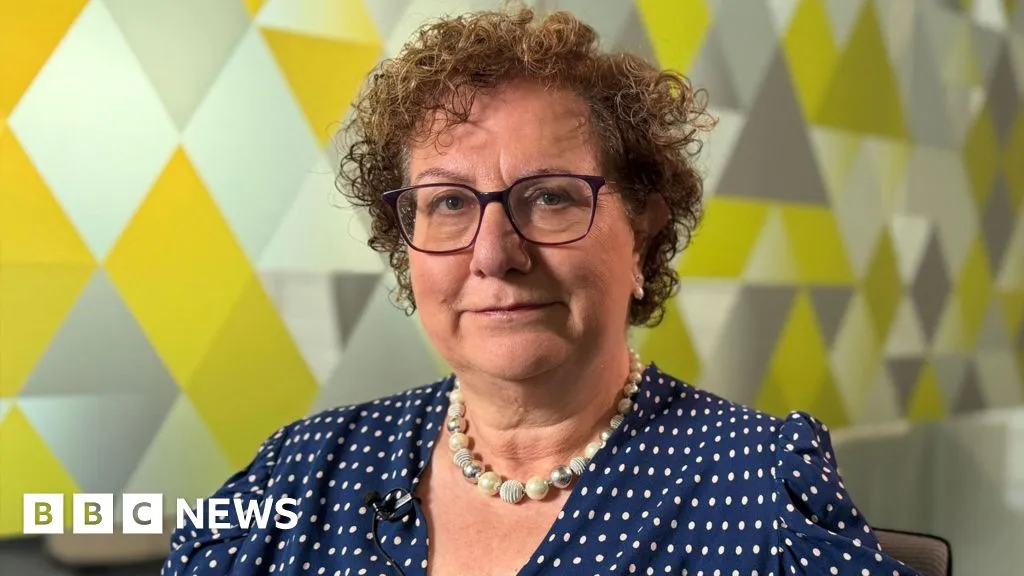
Ofcom Chief Executive Dame Melanie Dawes expressed concerns about companies' inadequate actions to protect underage users. A poignant statistic from the regulator shows that a staggering 84% of children between the ages of eight and twelve continue to access platforms with a minimum age of 13.
Addressing Grooming Risks: Lessons from Other Platforms
Ofcom's report also shed light on advancements by competitors such as Snap, Roblox, and Meta, which have introduced measures aimed at reducing grooming risks. Snap, for instance, has committed to implementing stringent age checks and restricting adult strangers from contacting minors in the UK.
- Snap: Plans to block adult contacts with children and enhance age verification measures.
- Roblox: Allows parents to disable direct messaging entirely for users under 16.
- Meta: Introduces measures to protect teens by hiding their Instagram connection lists and employing AI tools to detect potentially unsafe conversations.
Andy Burrows, CEO of the Molly Rose Foundation, welcomed Ofcom’s findings but labeled tech giants as "complacent and evasive" in safeguarding children. He stressed the need for decisive actions from regulators to minimize children's exposure to online hazards.
The Potential for Legislative Changes
As the UK government prepares to conclude its consultation on whether to ban social media for users under 16, called for by the Education Committee, the topic remains hotly debated. The report advocates for urgent measures to eliminate design features aimed at encouraging excessive screen time.
In response to Ofcom's findings, it is imperative that social media platforms act quickly to implement promised changes. Failure to do so may result in further regulatory scrutiny and the potential for stricter legislation aimed at protecting younger users.
For up-to-date information and further insights, you can view the full report at BBC News.
Source: BBC News - Technology