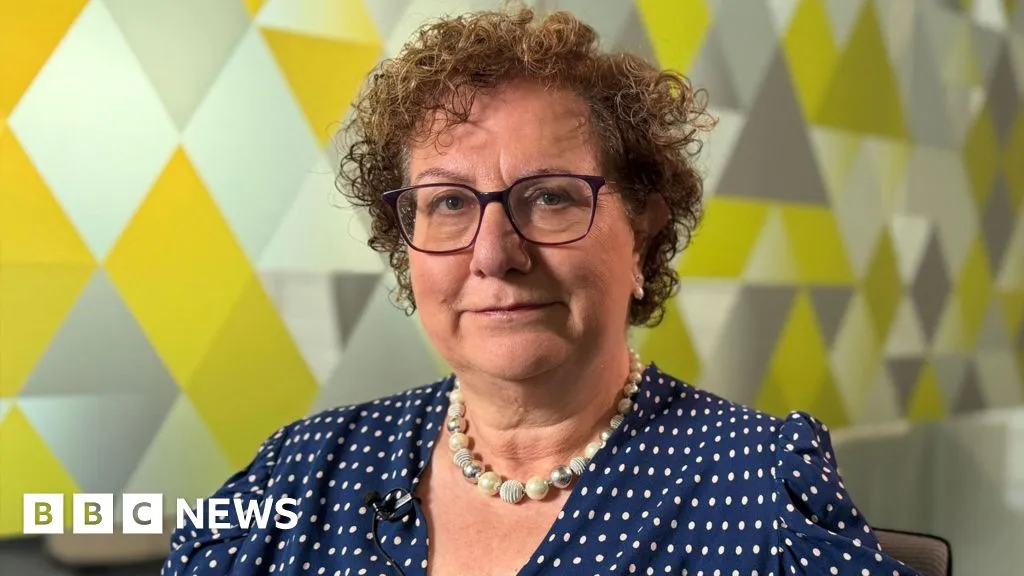
The boss of Next, Lord Wolfson, has expressed significant concerns over a "dramatic fall" in the availability of entry-level positions across the UK. This trend, which he described during a recent interview with the BBC, highlights a growing crisis in youth unemployment.
Surge in Job Applications
Lord Wolfson noted that the retail giant has seen a staggering increase in applicants for its store roles. Just two years ago, Next received approximately 10 applicants per job posting. Today, that figure has surged to nearly 19 applicants for each position. This rise is a clear sign of the challenges facing young job seekers in an increasingly competitive market.
The Impact of Government Policies
As the UK government prepares to implement a ban on zero-hours contracts next year, Lord Wolfson cautioned that this move could complicate the hiring process for companies. While aimed at providing employees with more stability, such regulations may inadvertently hinder job creation in the retail sector.
"Youth unemployment is a direct reflection of broader employment issues within the economy," remarked Lord Wolfson. He emphasized that those most affected by job shortages are the younger, less experienced individuals entering the workforce.
Economic Growth and Job Creation
In addition to calling for a rollback on recent increases in National Insurance and minimum wage rates, Wolfson argued that fostering economic growth is crucial for revitalizing the job market. He stated, "If there are fewer jobs available, it is the young and inexperienced who bear the brunt of this challenge."
Statistics Reveal Rising Youth Unemployment
Recent statistics illustrate the seriousness of the situation, revealing that the unemployment rate for individuals aged 16 to 24 has reached 16.2%, the highest level since 2014. This figure is alarmingly more than three times the overall unemployment rate, which currently stands at 5%.
Challenges for Retailers and Hospitality Sectors
Industries like retail and hospitality, often the first stepping stones into the job market for young people, are facing pressures that limit their ability to offer entry-level roles. Experts from businesses like Next attribute these limitations to tax hikes and rising minimum wage obligations that deter job creation.
Wolfson acknowledged that due to these economic pressures, Next has reduced staffing levels in its stores while its online operations continue to thrive independently. He previously reported a staggering £70 million increase in wage expenses as a result of government policies.
The Cost of Doing Business
Despite these challenges, Next has managed to navigate through turbulent times, acquiring struggling brands and posting impressive profit forecasts. As of early October, the retail chain raised its profit outlook for the year to £1.2 billion, citing a 6.2% increase in sales for the first quarter.
Wolfson defended the need for profitability, asserting that without profits, businesses cannot sustain themselves. He urged policymakers to recognize that public companies, like Next, are often owned by countless individuals who do not reap vast wealth from their investments.
Conclusion
As the UK faces mounting challenges in youth employment, corporate leaders like Lord Wolfson are calling for a more balanced approach to economic policy that encourages job creation while ensuring fair wages. The future of entry-level jobs depends not only on the decisions made by retailers but also on the broader economic environment that influences their ability to hire.
For further reading, visit the full article on BBC News.
Source: BBC News - Business