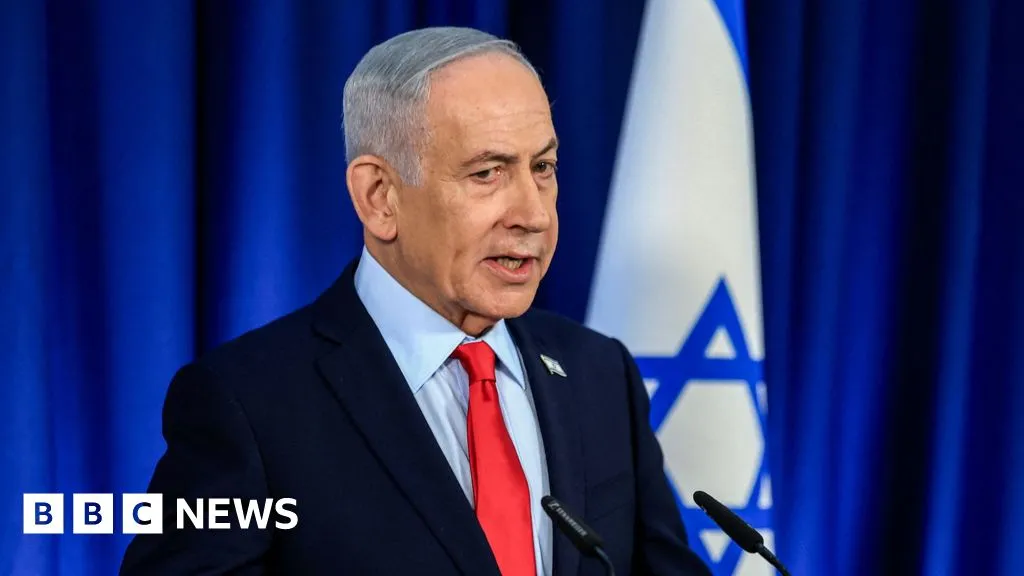
Israeli Prime Minister Benjamin Netanyahu finds himself in a precarious position following a newly brokered ceasefire agreement between the United States and Iran, a development that threatens to upend the foundations of his political career.
Unprecedented Challenges
The ceasefire agreement, spearheaded by former President Donald Trump, has created a significant political headache for Netanyahu. Once viewed as a key player in U.S. foreign policy, Netanyahu is now confronted with the uncomfortable reality of being sidelined by his primary ally, prompting questions about his influence and credibility.
As the leader who made a staunch opposition to Iran the centerpiece of his security agenda, Netanyahu now faces the daunting task of reconciling this position with the possibility of Iran emerging from the deal in a strengthened state. How does the "Mr. Security" of Israel navigate such a shift, especially with upcoming elections looming in October?
Pressure from All Sides
Netanyahu’s political rival, Yair Lapid, recently articulated the prime minister’s dilemma in the Knesset: “It’s either a confrontational stance against our greatest ally or a submissive compromise of Israeli interests.” With attacks on Hezbollah in Lebanon now subject to U.S. and Iranian dictates, the pressure is mounting for Netanyahu from both political opponents and members within his own Likud party.
- Far-right national security minister Itamar Ben-Gvir criticized the ceasefire, asserting, “Trump’s agreement does not bind us.”
- Likud lawmaker Ariel Kallner remarked on Israel’s ongoing need to defend itself, indicating that the military operations may continue irrespective of the agreement.
Security and Strategy at Stake
Comments from political commentators and some within Netanyahu's coalition imply that the agreement could be detrimental to Israel's standing in regional security matters. Former Mossad official Sima Shine expressed concerns over the implications of allowing Iran to dictate conditions in Lebanon, a move that could bolster Hezbollah’s political clout.
Netanyahu's Response
In response to the mounting criticism, Netanyahu defended his track record at a recent press conference in Jerusalem, stressing his lifelong commitment to preventing Iran from obtaining nuclear weapons. “We will do what is necessary,” he stated, asserting the need to retain operational freedom if threatened.
However, the growing dissent places Netanyahu’s longstanding campaign message—grounded in security—under severe scrutiny. His pivot towards a more aggressive security policy in light of recent Hamas-led attacks marks a desperate attempt to uphold his image as a defender of Israel.
As he navigates these turbulent waters, the future of Netanyahu's leadership hangs in the balance, with both elections and regional stability on the line.
Source: BBC News - World