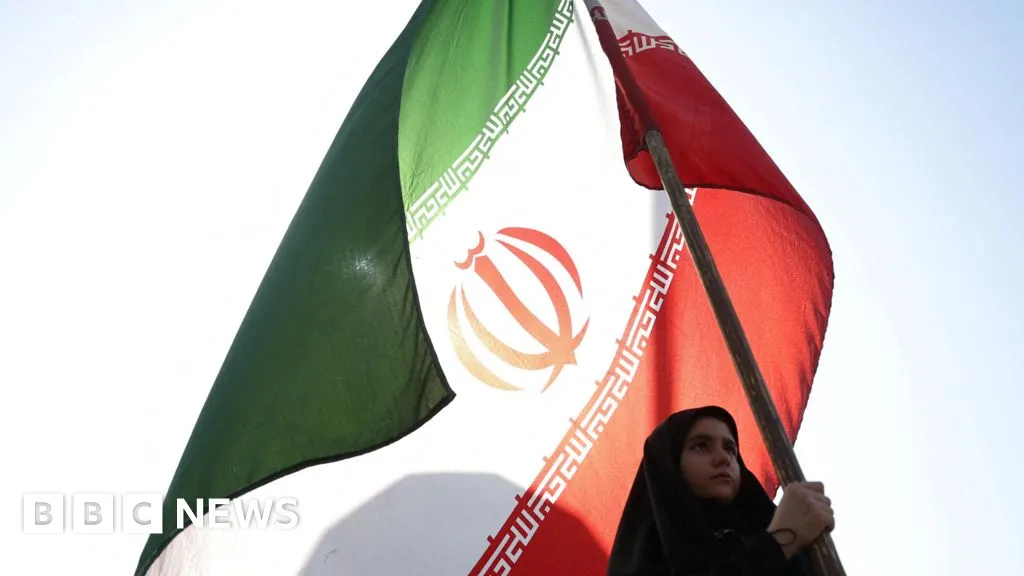
In the backdrop of recent negotiations between Iran and the United States, the Iranian leadership is framing the emerging memorandum of understanding (MoU) as a significant victory. However, for many citizens within Iran, the focus lies not on whether this deal represents triumph, but rather on its potential to lower prices and quell fears of another war.
A Divided Perspective on the Deal
As Tehran attempts to market the agreement as a commendable achievement, it faces a unique challenge. The country emerges from a damaging conflict and grapples with a strained economy. Many members of the Iranian support base have voiced strong disapproval of any conciliatory approach towards Washington. In fact, amid the turmoil, there are voices advocating for regime change rather than negotiations.
Senior Iranian officials, including Mohammad Bagher Qalibaf, the Speaker of Parliament, claim that the deal represents a pivotal step towards a greater victory. President Masoud Pezeshkian has also remarked that if implemented effectively, the understanding could address many of Iran's pressing challenges, potentially transforming the nation and its standing in the Middle East.
Hardliners Voice Doubts Amid Official Optimism
Interestingly, while Qalibaf, who does not belong to the more moderate faction, supports the deal, it highlights internal divisions within the government. The leadership claims that the US and Israel have failed in their attempts to dismantle Iran’s power, citing factors such as continued negotiations and the absence of military intervention against the state.
However, dissenting opinions resonate within the corridors of power. One hardline member of parliament expressed concern that the agreement could mean turning Iran into an American colony, while another pointed to perceived failures in adhering to directives from the supreme leader regarding shipping routes in the Strait of Hormuz. This internal friction underscores the apprehension surrounding any form of diplomatic engagement with the US.
Economic Imperatives Drive Tehran's Agenda
With persistent economic challenges—stemming from the consequences of war, sanctions, and rising inflation—many Iranians are more concerned about the tangible benefits of the deal. Families across the nation are eager to know if the agreement will lead to lower prices and a decreased likelihood of further military conflict. For Iranian citizens, the notion of victory is overshadowed by their desperate need for stability and economic relief.
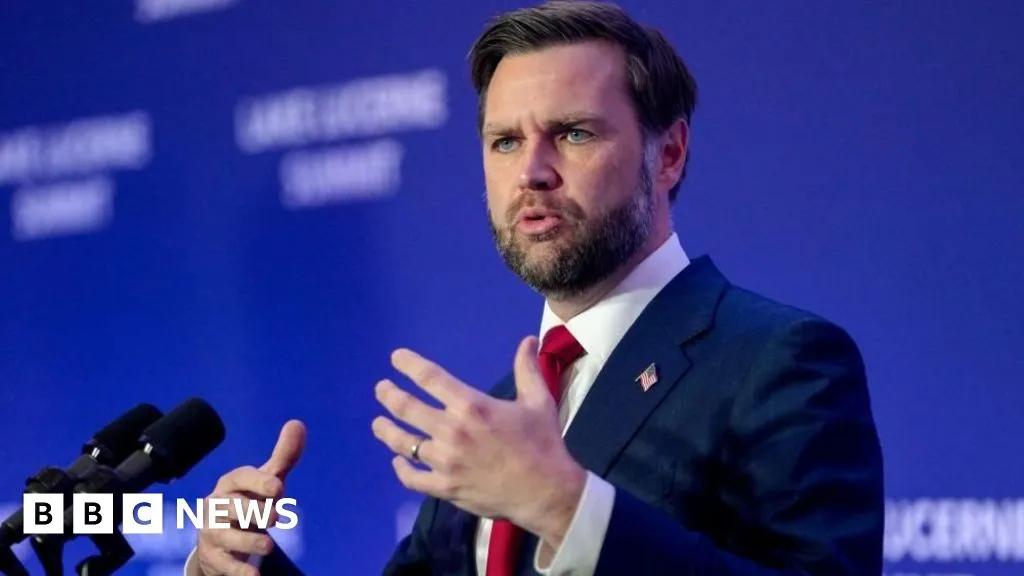
US Vice President JD Vance asserted that while Iran would not receive direct financial aid, fulfilling its commitments could unlock access to billions. This narrative provides Tehran with a way to frame the deal as an opportunity for investment and reconstruction rather than dependence on American aid, all while trying to maintain its national pride.
Nevertheless, uncertainties loom over the details of the deal, with critical issues regarding Iran's nuclear program, sanctions relief, and negotiations set to take place in Switzerland. As discussions unfold, the question remains: will this deal bring the changes the Iranian people seek, or is it merely a political maneuver that could deepen existing divides?
As Iran walks a tightrope between internal dissent and the necessity of engaging with global powers, the outcome of these negotiations will significantly influence the lives of ordinary Iranians, leaving the narrative of victory open to interpretation.
Source: BBC News - World