The current hostilities escalated significantly following a joint Israeli and US military operation in late February that resulted in the assassination of Iranian Supreme Leader Ayatollah Ali Khamenei. This act provoked Iran to launch retaliatory assaults not only against Israeli targets but also against Gulf Arab nations housing US military bases.
As tensions climbed, the vital Strait of Hormuz was effectively blocked by Iranian forces, leading to a spike in global oil prices. After a multilateral ceasefire brokered by Pakistan took effect on April 7, relative calm returned, albeit with sporadic attacks continuing.
- Lebanon engaged in the conflict on March 2, when Hezbollah fired rockets into Israel.
- Israel responded with aerial bombardments across Lebanon.
- The situation was further complicated by the US mediating a ceasefire between Israel and Lebanon on April 16.
The Path Forward
Recent discussions between Israeli and Lebanese authorities resulted in plans to prolong the ceasefire along with the establishment of "pilot" security zones within Lebanon. However, the Hezbollah leadership rejected these proposals, insisting on a complete Israeli withdrawal.
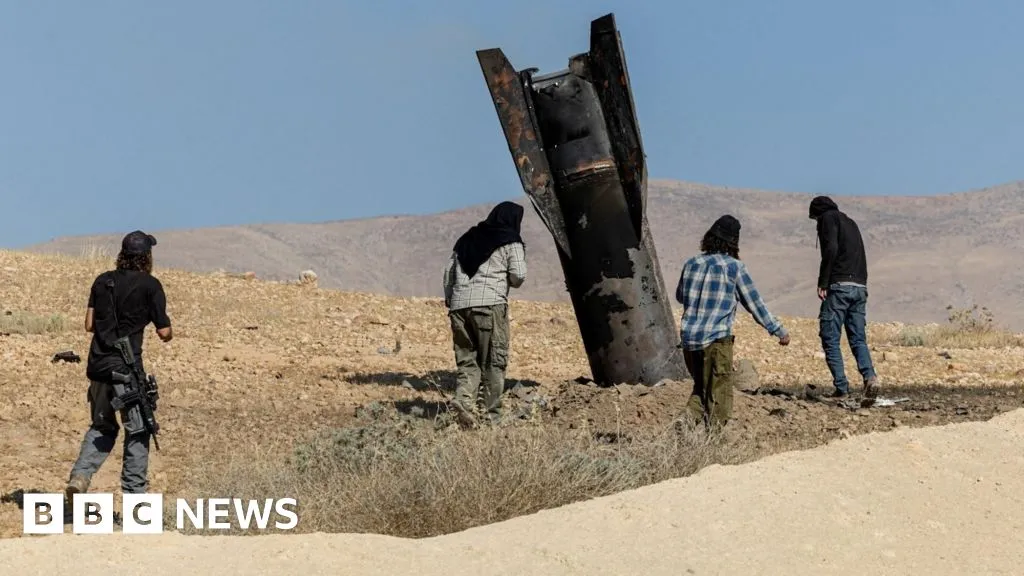
After Sunday’s missile exchanges, the IDF intercepted two projectiles launched from Lebanon while claiming they targeted Israeli military positions. They then retaliated by striking a Hezbollah command post in Dahieh, leading to casualties and further inflaming regional tensions.
As Iran's top military officials warned Israel against crossing "red lines" in responding to their attacks, the Islamic Revolutionary Guard Corps (IRGC) positioned itself to act on aggressive provocations, pledging a broader response should hostilities resume.
In a related counteraction, the IDF stated that it undertook significant airstrikes on Iranian military targets in retaliation, identifying them as part of defense infrastructure in western and central Iran.
Conclusion
The situation remains fragile, with peace negotiations heavily influenced by military actions and international diplomacy. The world watches closely as both nations navigate this precarious landscape, hoping for a sustainable resolution to a conflict that has rapidly evolved into a regional crisis.
Source: BBC News - World