In a surprising turn of events, Iran has officially declared that no agreement has been finalized regarding a deal to end the ongoing conflict with the U.S. despite President Donald Trump's bold assertions to the contrary. Following Trump's claims of an imminent "great settlement," Iran's foreign ministry spokesperson, Esmail Baghaei, labeled these reports as "speculative," emphasizing that talks are still very much underway.
Trump's Contradictory Remarks
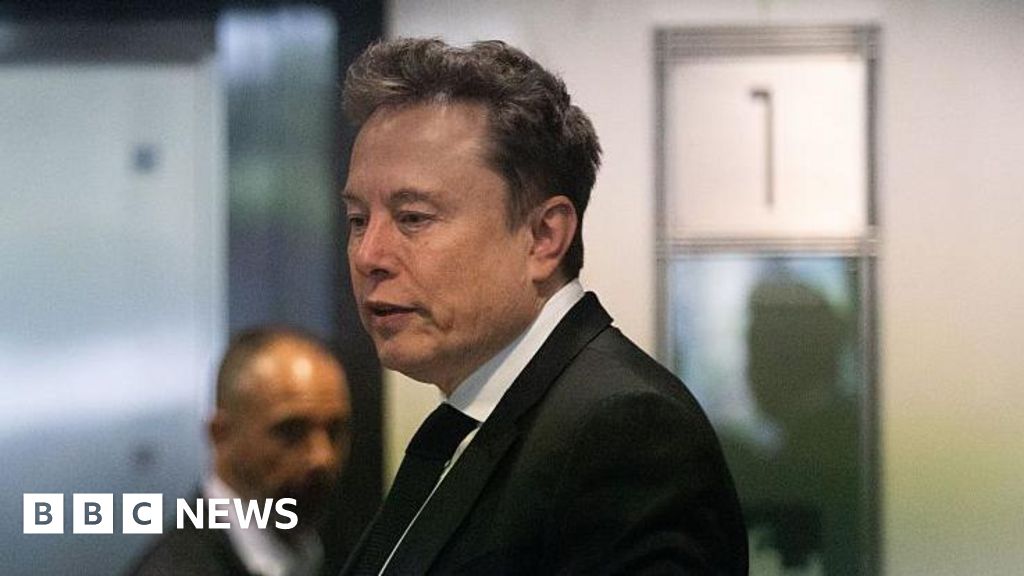
During a recent press briefing, Trump expressed optimism about the negotiations, stating that the U.S. would soon formalize a deal. He remarked, "We have a deal that Iran will never have a nuclear weapon, which was the whole purpose of what we had to go through to get this. So, it’s a very big thing." He further hinted at a potential signing ceremony in Europe once all documents are finalized.
Escalating Tensions
Just hours before making these optimistic statements, Trump had threatened heightened military action against Iran, claiming that the U.S. would strike Iran "very hard." However, in a swift pivot, he announced the cancellation of those planned strikes, positing that significant progress was made in the negotiations.
History of Stalled Agreements
Over the past months, the Trump administration has conveyed its desire to quickly conclude peace talks with Iran. Yet, previous assertions of a close agreement have fallen flat, leaving uncertainties hanging in the air. Following clashes between U.S. and Iranian forces, including recent tit-for-tat strikes, tensions remain escalated.
International Reactions and Implications
The geopolitical repercussions of these talks are significant. The Israeli Prime Minister’s office acknowledged a conversation between Trump and Netanyahu, reinforcing that Israel is not directly part of the negotiations but supports Trump's agenda to curtail Iran's nuclear capabilities and regional influence.
What Lies Ahead?
As negotiations proceed, both Iranian and U.S. forces remain on high alert. With Trump asserting that the Strait of Hormuz will reopen as soon as an agreement is signed, all eyes are on the impending talks for signs of progress. On the economic front, the announcement of a potential deal has already led to a notable decline in Brent crude prices, reflecting the market's hope for stability in the region.
The long-standing conflict continues to evolve, and both sides are navigating a complex landscape of demands and red lines, with experts watching closely for any developments.
For ongoing updates, please follow the developments in this unfolding story.
Source: BBC News - World