In a recent statement, Iran's Foreign Ministry spokesperson Esmail Baqai reported that while some progress has been made in negotiations with the United States, a deal is not expected to materialize in the immediate future. This comes after US Secretary of State Marco Rubio suggested that an agreement could potentially be reached as soon as Monday.
Negotiation Details
Baqai acknowledged that a substantial portion of the issues under discussion have been resolved. However, he emphasized that conclusions should not be hastily drawn regarding the signing of an agreement. "It is correct to say that we have reached a conclusion on a large portion of the issues under discussion, but to say that this means the signing of an agreement is imminent - no one can make such a claim," he stated during a press briefing in Tehran.
The proposed memorandum of understanding reportedly includes a 60-day ceasefire extension, plans to reopen the Strait of Hormuz, and a framework for further negotiations regarding Iran's nuclear capabilities. Approximately 20% of the world's oil and liquefied natural gas passes through this vital waterway, making its status a critical point in the ongoing discussions.
Political Reactions and Market Implications
The atmosphere of uncertainty has been palpable; President Donald Trump hinted at a potential deal, even while instructing negotiators to proceed cautiously. Senator Rubio, while addressing reporters in New Delhi, remarked, "We thought we might have some news last night. Maybe today." He cautioned against reading too much into the situation, indicating that responses from Iran may take time.
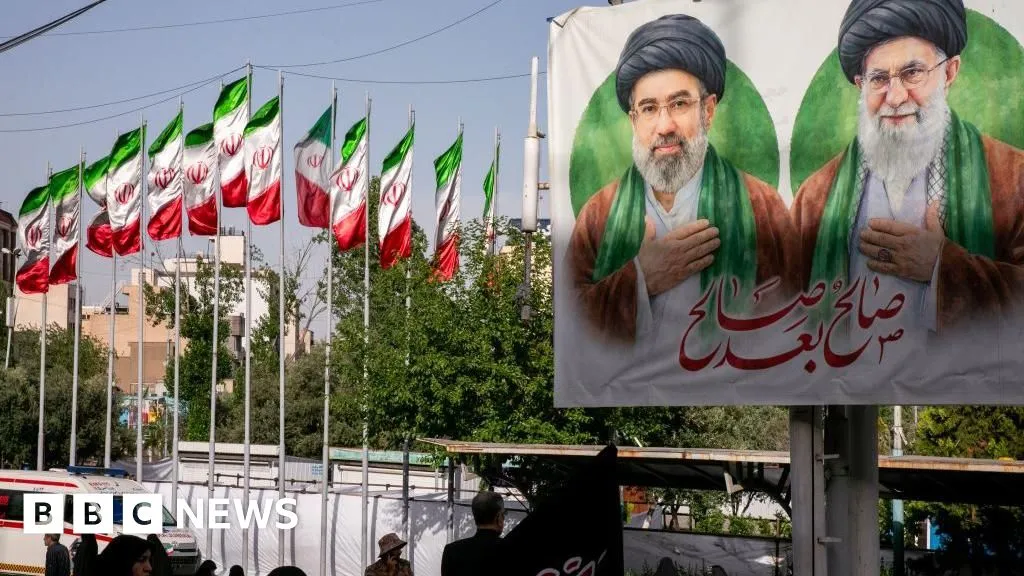
Complicating matters further, US intelligence reports indicate that Iran's Supreme Leader, Mojtaba Khamenei, may be in a secure location, which could be impacting the speed of negotiations.
Internal Divisions among US Legislators
The discussions regarding a potential agreement have sparked divisions within Trump's Republican party. Some members argue that the proposed deal is too lenient towards Iran. Senator Ted Cruz labeled it as "a disastrous mistake," while others, such as Roger Wicker, voiced similar concerns about undermining military efforts achieved in the region.
Even Trump's allies have echoed skepticism about allowing Iran any semblance of dominance in the area. "It makes one wonder why the war started to begin with," remarked Senator Lindsey Graham.
The Future of US-Iran Relations
Trump, in response to his critics, dismissed their concerns as "losers" and maintained that the deal could either be significant or nonexistent. Nevertheless, even in an optimistic scenario, any effects from an agreement would likely not be visible immediately. According to Lars Jensen, CEO of Vespucci Maritime, the shipping industry may take months to return to its previous operational efficiency.
Since the conflict escalated with US and Israeli strikes on February 28, Iran's retaliatory actions have included attacks on US-aligned states and the closure of the Strait of Hormuz, significantly driving up oil prices worldwide. After an early April ceasefire, the US has maintained a blockade of Iranian ports, with Trump insisting that such measures will remain until an agreement is duly certified and signed.
Current reports also suggest that any potential deal might involve Iran agreeing to eventually relinquish its highly enriched uranium stockpile. Prior to the onset of hostilities, it is estimated Iran had around 440 kg of uranium enriched to 60%, dangerously close to the weapons-grade level.
As the world watches these developments unfold, the prospect of a resolution to the Iran-US standoff remains uncertain.
Source: BBC News - World