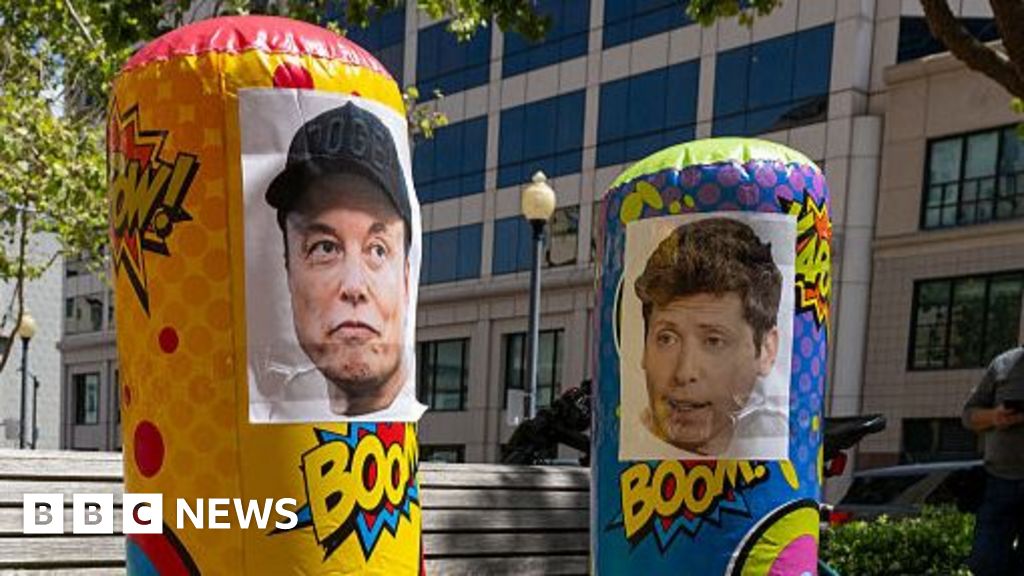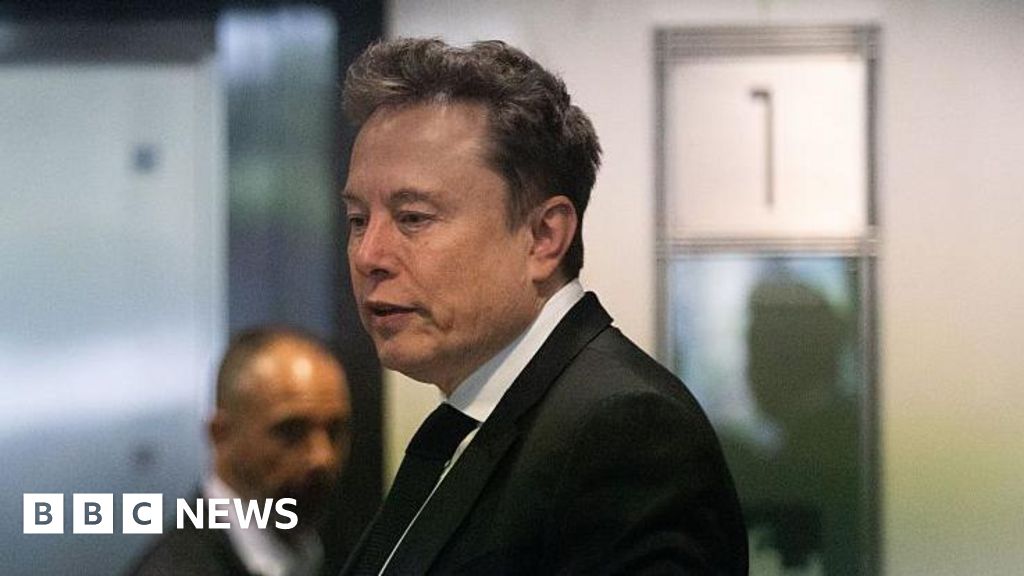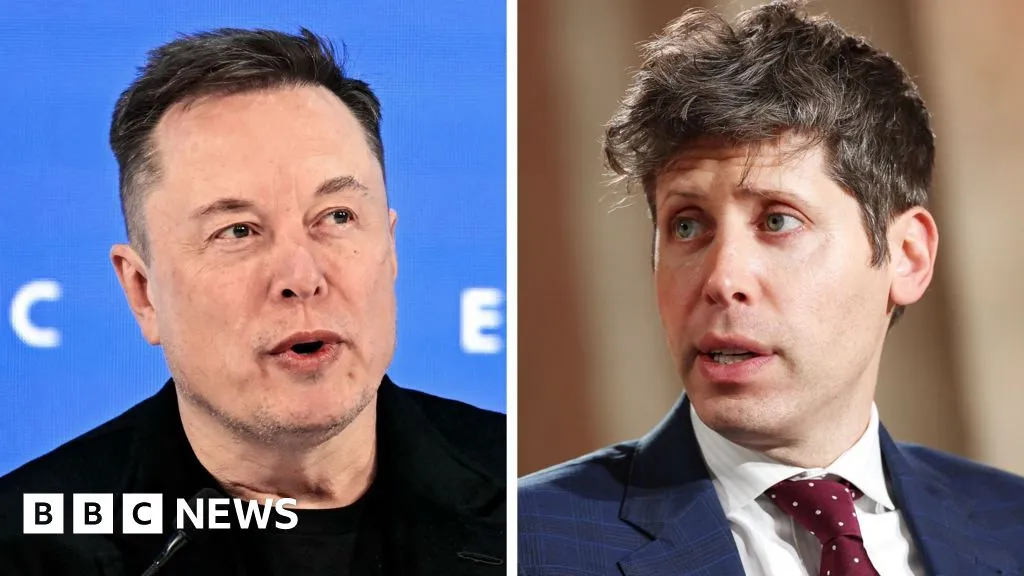
As the jury contemplates their verdict, the trial between tech giants Elon Musk and Sam Altman has revealed much more than initially anticipated. This legal battle not only questions the future of OpenAI, the creative force behind ChatGPT, but also delves deep into the characters and decisions that shaped the company’s course.
The trial has unfolded in a federal court in California over the past few weeks, showcasing a mix of drama including high-profile witness testimonies, and even allegations of misconduct that raise eyebrows across the tech sector. Below are five significant revelations that emerged during this riveting courtroom saga.
1. Beyond Just Musk vs. Altman
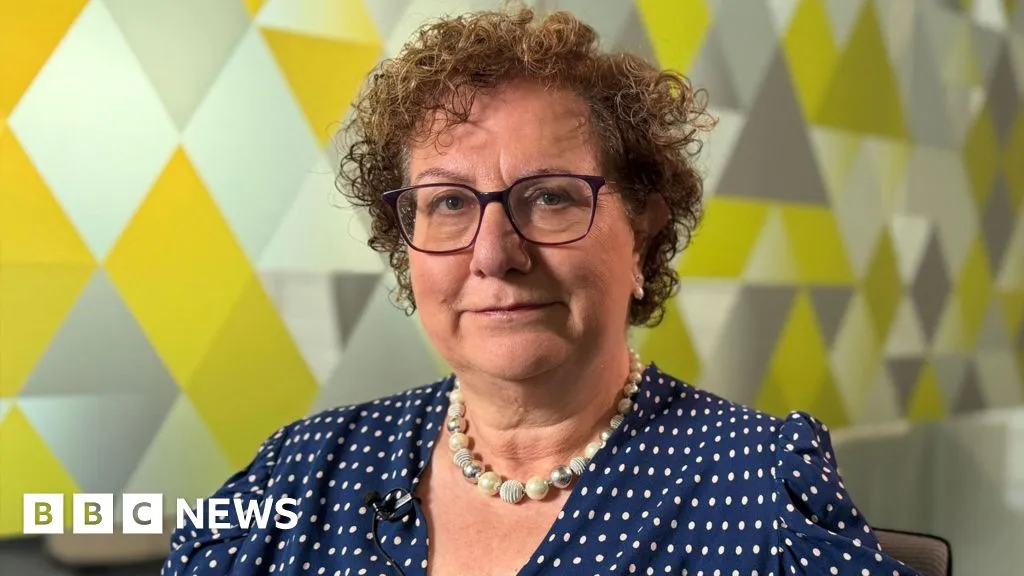
Musk's central allegation against Altman centers on claims of dishonesty regarding OpenAI's nonprofit status. However, the proceedings have unveiled a broader narrative, with a plethora of influential industry figures stepping forward to challenge Musk's assertions. Noteworthy testimonies were delivered by OpenAI co-founder Ilya Sutskever, former board member Tasha McCauley, and Microsoft CEO Satya Nadella, the latter emphasizing Microsoft’s thorough investigation before investing in OpenAI. This dynamic shifted the focus from a simple he-said-he-said scenario to a wider discourse involving multiple credible voices.
2. Scrutiny Over Altman's Character
Altman faced intense cross-examination regarding his trustworthiness, particularly in light of a critical profile from The New Yorker that labeled him a “pathological liar.” During his testimony, Musk’s lawyer, Steven Molo, did not hold back, repeatedly questioning Altman’s reliability. Altman maintained his stance, stating, “I believe so,” to which Molo pressed, “You don’t know whether you’re completely trustworthy?” This exchange set the tone for a trial where Altman’s character was continually put under the microscope.
Additional testimonies from past board members and executives highlighted allegations of Altman's dubious honesty, particularly regarding his involvement in private startups, including Helion Energy, a nuclear energy firm that has yet to fulfill its power delivery commitments despite significant investments.
3. The Judge’s Firm Control
Presiding over the trial was Judge Gonzalez Rogers, whose no-nonsense demeanor helped maintain order in the courtroom. She implemented strict time regulations, limiting breaks and keeping the proceedings on a tight schedule. Her authoritative presence ensured the trial proceeded smoothly, a refreshing shift from the chaotic narratives often depicted in tech disputes.
4. The Stakes Extend Beyond Money
While Musk's claims included allegations of stolen charity funds—which he argues significantly impacted his financial standing—the broader implications involve reputations and the integrity of leaders in the tech industry. The courtroom drama shines a spotlight on the ethical considerations faced by influential figures in technology, questioning the compromises made for innovation and success.
5. The Influence of Public Perception
The trial is not just a legal battle; it serves as a crucial lens into how public perception shapes the actions of powerful tech leaders. As the jury deliberates, the implications of this case may ripple through the industry, affecting the reputations of those involved and their companies.
As this landmark trial continues to unfold, the tech world watches closely, aware that the verdict may set a precedent for future corporate governance and accountability.
For those who want to explore the ongoing developments in this high-profile case, stay tuned as we bring more updates on the Musk and Altman saga.
Source: BBC News - Technology