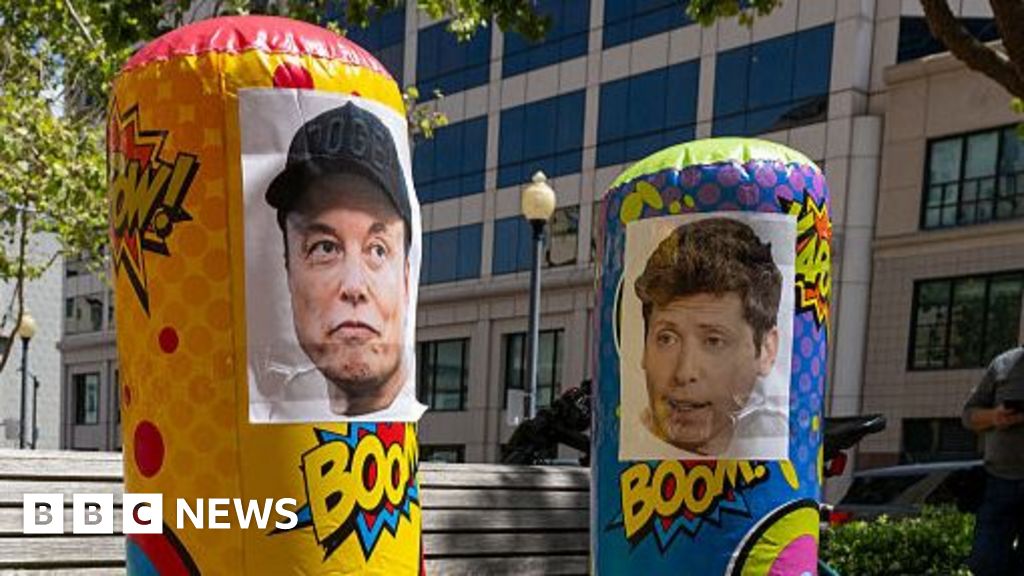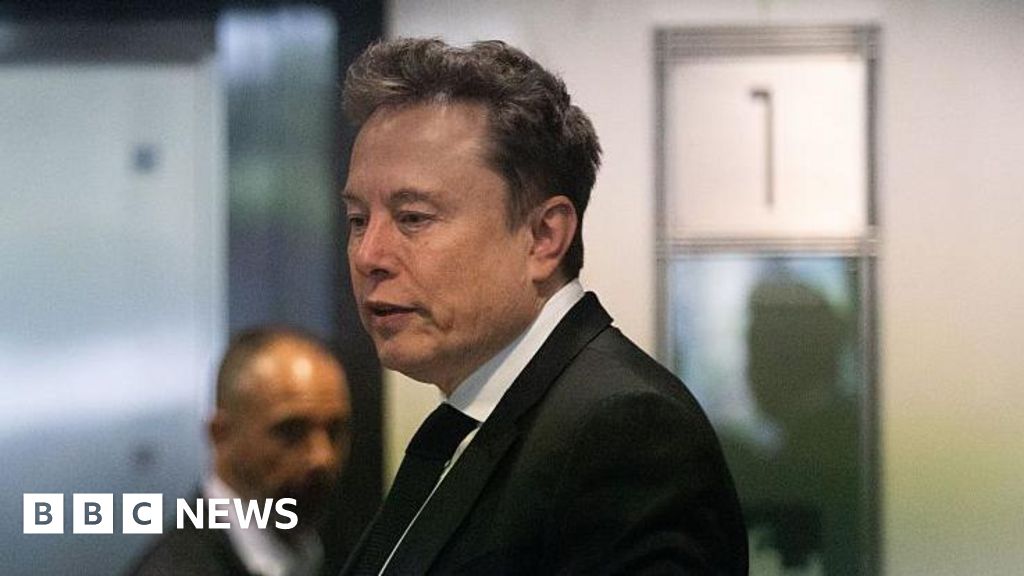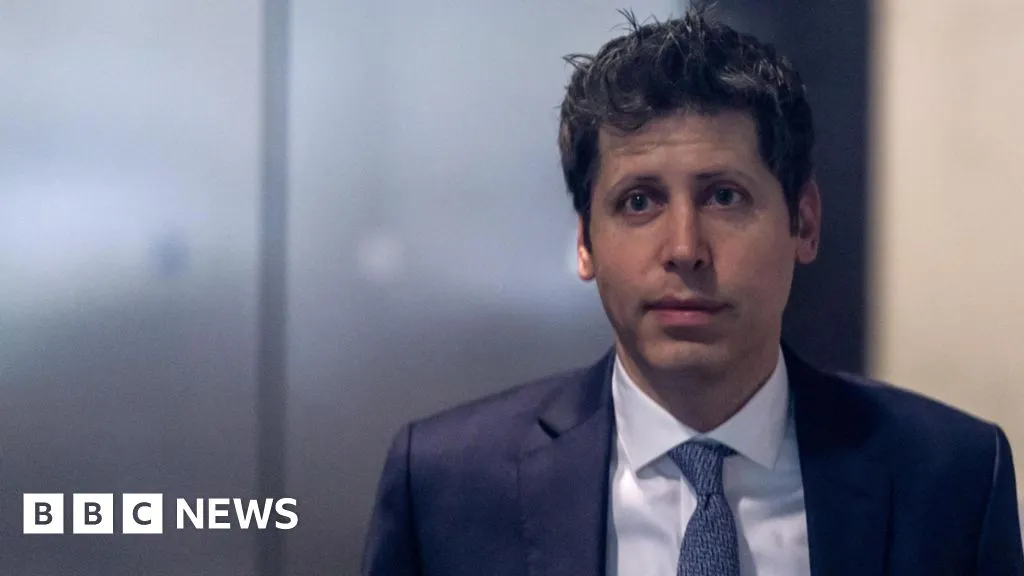
In a dramatic courtroom revelation, Sam Altman, the CEO and co-founder of OpenAI, disclosed that tech mogul Elon Musk once suggested that control of the AI firm should be passed down to his children. This statement arose during Altman’s testimony amid the ongoing lawsuit Musk has filed against him.
The Roots of the Dispute
OpenAI, the powerhouse behind ChatGPT, originated in 2015 as a non-profit. However, Musk’s desire for control dates back to the early days of the organization. While testifying before a federal jury in Oakland, California, Altman elaborated on Musk’s history of trying to assert more authority within OpenAI.
- Musk had pushed for additional board seats within OpenAI.
- He expressed interest in becoming the company’s chief executive.
- He even proposed that OpenAI might function as a subsidiary of Tesla.
Altman noted, “A particularly hair-raising moment was when my co-founders asked, ‘If you have control, what happens when you die?’ He responded with something akin to, ‘...maybe it should pass to my children.’”
Profit Over Purpose?
As Altman recounted, Musk's vision for OpenAI seemed to center on speeding up financial gains, promoting the idea of transforming the non-profit into a traditional for-profit entity. According to Altman, Musk believed that his business acumen could provide an essential boost: “If I make one tweet about this, it’s instantly worth a ton,” he recalled Musk asserting.
However, Altman and his fellow co-founders, Greg Brockman and Ilya Sutskever, ultimately decided against yielding such control to Musk, believing it could jeopardize OpenAI’s mission, particularly in the pursuit of artificial general intelligence (AGI).
A Diverging Path
Altman stated, “I was extremely uncomfortable with it. One of the reasons we started OpenAI was because we didn’t think any one person should be in control of AGI.” AGI refers to AI systems that excel beyond human capability in numerous tasks, a pivotal focus within the AI community.
Ultimately, Musk distanced himself from OpenAI in early 2018 and ceased his generous quarterly donations of $5 million. Altman shared that Musk once expressed dire skepticism about the future of OpenAI, claiming it had “a zero percent chance, not a one percent chance, of success” without his involvement. When Altman extended an invitation for Musk to invest in a for-profit subsidiary in 2019, Musk declined, stating he would no longer invest in startups he did not control.
Conclusion
The legal clash between Musk and Altman reflects deep-seated tensions over control and vision for one of the most influential companies in the rapidly evolving tech landscape. With both parties navigating a complex relationship, the outcome of the lawsuit may have far-reaching implications for the future of artificial intelligence.
Source: BBC News - Technology