Following months of heightened tensions, the United States and Iran have reached a framework deal aimed at securing a long-lasting ceasefire in their ongoing conflict. This agreement, brokered after more than three months of escalating hostilities, raises key questions about its potential impact on global oil prices and food costs.
Current Market Conditions and Oil Supply
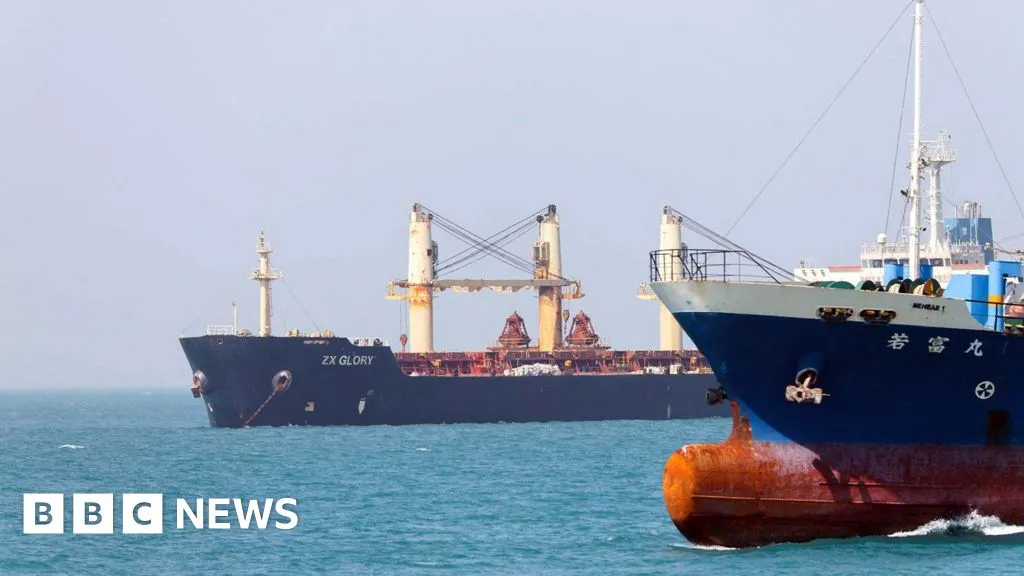
The conflict has had profound implications for global oil markets, particularly due to the turmoil surrounding the Strait of Hormuz—a critical maritime route that facilitates approximately 20% of the world’s oil and liquefied natural gas (LNG) transport. With reduced traffic since late February, oil prices surged dramatically.
Experts observe that despite the optimistic outlook following the agreement, the return to normal shipping levels in the Strait will be gradual. Neil Shearing, Chief Economist for Capital Economics, stated, "Even with newfound safe passage, the logistics of oil transport will require time to stabilize." He noted numerous factors, including the repositioning of tankers and insurance costs, that may complicate matters.
The Market Reaction
In anticipation of the deal, Brent crude oil prices have exhibited volatility. Initially soaring to around $120 per barrel during the conflict, prices saw a slight decline following the announcement of the agreement, dropping to approximately $83.55 per barrel. However, market analysts warn of unpredictable fluctuations leading up to the final signing of the deal.
Florence Schmit, a Senior Energy Strategist at Rabobank, highlighted the uncertainty surrounding the deal's specifics, saying, "While the agreement is a positive step, many details remain unconfirmed, leaving room for potential volatility in the coming days." It's crucial to consider how these oscillations in oil prices might translate into higher costs for consumers, particularly in fuel and food products.
Impact on Food Prices
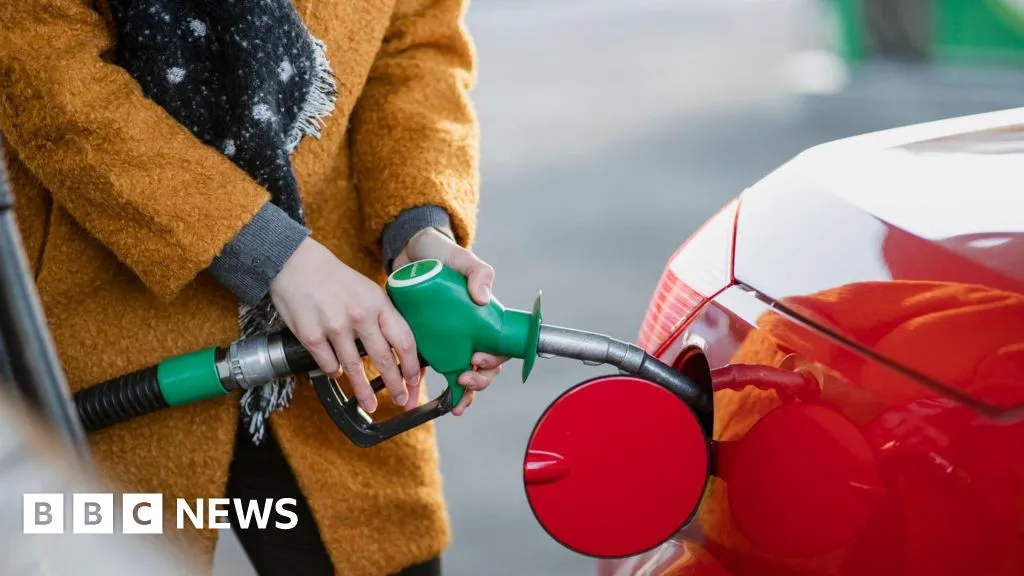
The link between oil prices and food costs is significant. As transportation expenses rise due to fluctuating fuel prices, consumers may eventually face increased prices at the grocery store. The agricultural sector, dependent on fuel for farming and transportation, is particularly sensitive to changes in oil prices.
Industry analysts anticipate that if the deal fosters stability in the oil market, food prices may stabilize as well. Nevertheless, they caution that returning to pre-war levels could take time, potentially extending the period of elevated food costs for consumers.
The Road Ahead
While the US-Iran framework deal signifies a crucial step toward regional stability, the long-term effects on oil prices and food costs remain uncertain. Experts advise stakeholders to keep a close watch on developments, as the full impact of the agreement unfolds in the months to come. Should the situation improve, there is hope that oil supply routes will normalize, leading to stabilization in both oil and food prices.
For further insights, check the detailed coverage by the BBC.
Source: BBC News - Business