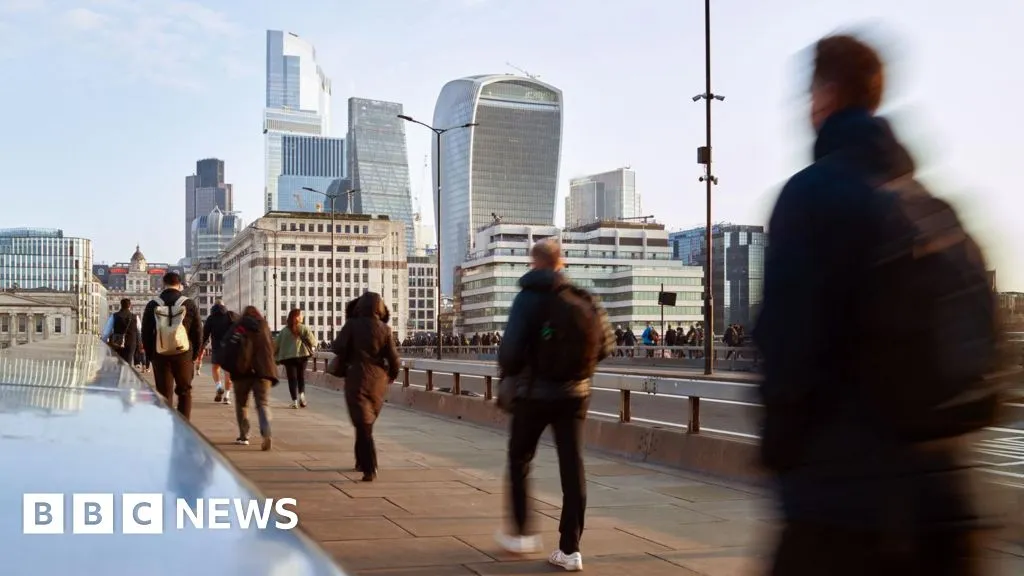
The International Monetary Fund (IMF) has enhanced its growth forecast for the UK, projecting an upgraded rate of 1% for 2026, up from 0.8%. Despite this optimistic adjustment, the organization has issued stark warnings regarding potential risks affecting the UK economy, primarily due to the ongoing conflict in Iran and domestic instability.
Growth Forecasts and Economic Resilience
In its recent assessment, the IMF noted that the UK has displayed significant resilience, yet it pointed to the potential repercussions of a prolonged conflict in the Middle East. Such a scenario could lead to increased energy and food prices, which would in turn impact consumer behavior and investment decisions.
As outlined in the forecast, the UK economy managed to grow by 0.6% in the first quarter of the year, a reflection of robust performance in sectors such as retail and construction. The IMF remarked that the UK entered the latest global economic turbulence with more momentum than previously anticipated.
Inflation and Interest Rate Insights
One of the key takeaways from the IMF's report is its position on inflation. The organization predicts a temporary rise in the inflation rate, largely due to escalated energy costs. Currently, the interest rates set by the Bank of England stand at 3.75%, with the IMF suggesting that there may not be an immediate need for any increases in the interest rate throughout the year.
The IMF stated, "Holding rates for the remainder of the year should be sufficient to bring inflation back to target (2%) by the end of 2027." However, it did not specifically comment on the political volatility that has characterized recent governmental developments.
Chancellor's Response and Economic Strategy
The Chancellor, Rachel Reeves, expressed optimism following the IMF's growth forecast, asserting that it validates the government's economic strategy. She emphasized, "The choices I have made as chancellor mean our economy is in a stronger position as we deal with the costs of the war in Iran." Reeves also cautioned against political instability that could derail the progress made, highlighting the importance of stability in supporting families and businesses.
Future Economic Challenges
Luc Eyraud, the IMF's mission chief to the UK, underscored the necessity for predictable economic policies amid a tumultuous external environment characterized by frequent shocks. He cautioned about the limitations on future tax increases unless significant reforms are introduced, indicating potential tough choices ahead for the government in addressing rising pressures on public spending.
The IMF’s findings emphasize that a balanced approach is essential for maintaining financial credibility. Their recommendations suggest that any household support related to rising energy prices should be targeted and temporary.
Conclusion
While the IMF’s forecasts are informative, they remain merely predictions. Given the unpredictable nature of global events, the UK government's strategy will need to adapt continuously to continue fostering economic growth and stability.
For further details, visit the BBC News.
Source: BBC News - Business