In a dramatic turn of events, Israel has conducted airstrikes in southern Beirut, marking the first military action in the Lebanese capital since a US-brokered ceasefire was established just days prior. The strikes targeted residential buildings in a district strongly controlled by the Iran-backed Hezbollah, resulting in two fatalities and injuries to at least 20 individuals, including women and children, as reported by Lebanon's Health Ministry.
Citing Hezbollah's Provocation
Israeli Prime Minister Benjamin Netanyahu stated that the airstrikes were executed in direct response to ongoing provocations, particularly Hezbollah's recent artillery fire into Israeli territory. After a concerted effort to limit operations in Beirut due to US diplomatic pressure aimed at preserving the ceasefire, this latest attack raises significant concerns about the potential for escalating conflict.
The Immediate Aftermath
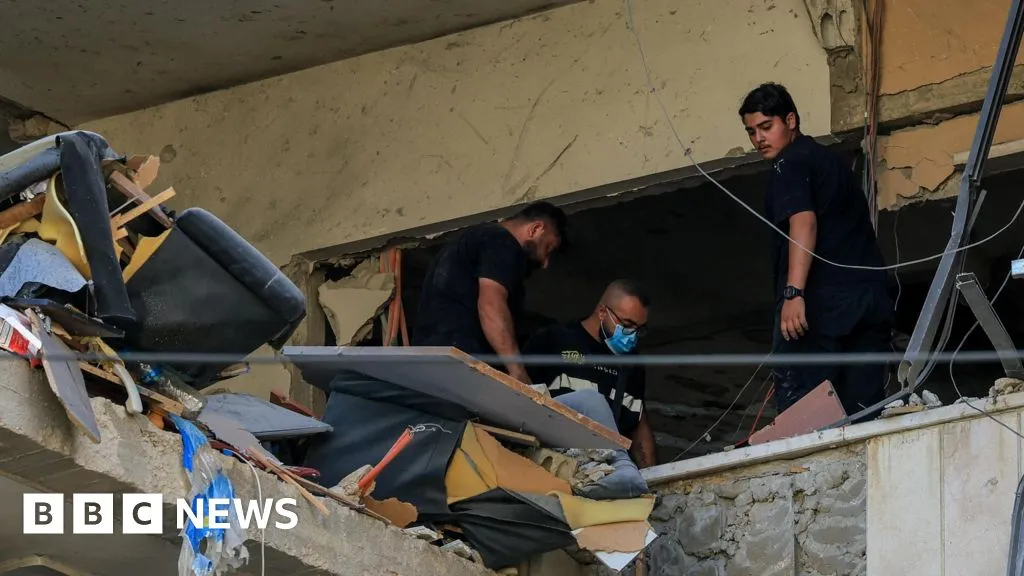
Eyewitness accounts and social media footage depicted chaotic scenes as local emergency services rushed to assist those trapped under debris following the strikes. The lower levels of a residential building were severely damaged, leaving a trail of destruction that scattered concrete and metal across the street.
- Lebanon's health officials confirmed at least four women and four children were among the injured.
Israel's Strategic Lens
The Israeli military claimed the action was necessary to neutralize what it termed "terrorist infrastructures" belonging to Hezbollah, foreshadowing that additional strikes could occur in the future. According to reports, Israeli forces intercepted two projectiles launched from Lebanon, highlighting the ongoing hostilities.
Hezbollah’s Retaliation and Regional Implications
In retaliation, Hezbollah announced it had fired rockets at Israeli artillery positions, framing the barrage as a justified response to Israel's violation of the ceasefire. Meanwhile, Iranian officials promised a swift and severe reaction to the Israeli strikes, indicating that the regional conflict could deepen further.
The Fragility of the Ceasefire
This latest incident follows a tumultuous period leading up to the ceasefire, which began on April 17, 2023, yet has been frequently tested with violations from both sides. Just a week before, Netanyahu's threats of expansive military action on Hezbollah's stronghold in Dahieh incited fears of mass evacuations and prompted urgent US diplomatic efforts.
Politically Charged Responses
Lebanese Parliament Speaker Nabih Berri criticized the US-brokered agreement following talks between Israeli and Lebanese officials, labeling it a "trap" that fails to address the critical issue of Israeli withdrawal from occupied territories. Hezbollah leaders, sidelined from these negotiations, have voiced their opposition to disarmament, framing it as yielding to adversarial objectives.
As tensions remain elevated, observers warn that without effective diplomatic intervention, the risks of a broader conflict are alarmingly high. The already volatile situation in the region continues to unfold as both sides reiterate their readiness for military engagement.
Source: BBC News
Source: BBC News - World