In a groundbreaking endeavor, researchers at the UK Dementia Research Institute in Edinburgh are utilizing artificial intelligence (AI) to accelerate the discovery of effective treatments for neurological conditions, including motor neurone disease (MND). The initiative aims to repurpose existing medications, potentially uncovering affordable solutions quicker than traditional methods allow.
Utilizing Patient Data for Innovative Drug Discovery
The team is analyzing diverse patient data sources—including voice recordings, eye scans, and lab-cultured brain cells. By employing advanced algorithms to discern patterns in disease progression, researchers aspire to pinpoint existing drugs that could be repurposed for conditions such as MND.
Steven Barrett, a trail participant diagnosed with MND a decade ago, describes his journey as a "horrible" challenge, stating that it has drastically altered his life plans. However, he views the clinical trials at the Institute as a beacon of hope for him and others grappling with neurological illnesses.
Innovative Clinical Trials
One notable clinical trial, MND-SMART, is changing the landscape of medical research by testing multiple drugs simultaneously, rather than employing a traditional placebo-controlled method. Barrett emphasizes that the trials are about more than just taking medication—they represent a commitment to achieving meaningful outcomes for future patients.
Building a Comprehensive Database
The Institute is diligently constructing a database of individuals with various neurological conditions, including Parkinson’s disease and dementia. By amassing comprehensive data through iris scans, voice recordings, and blood samples, researchers are using AI to sift through vast amounts of information. This initiative aims to identify early indicators of neurological decline.
From blood samples, stem cells are cultivated into neuronal types that are instrumental for testing the efficacy of existing drugs. The process employs a combination of robotics, traditional laboratory techniques, and AI-driven algorithms, which are trained to recognize how specific drugs might reverse the pathological signatures associated with these diseases.
The Potential of Repurposed Medications
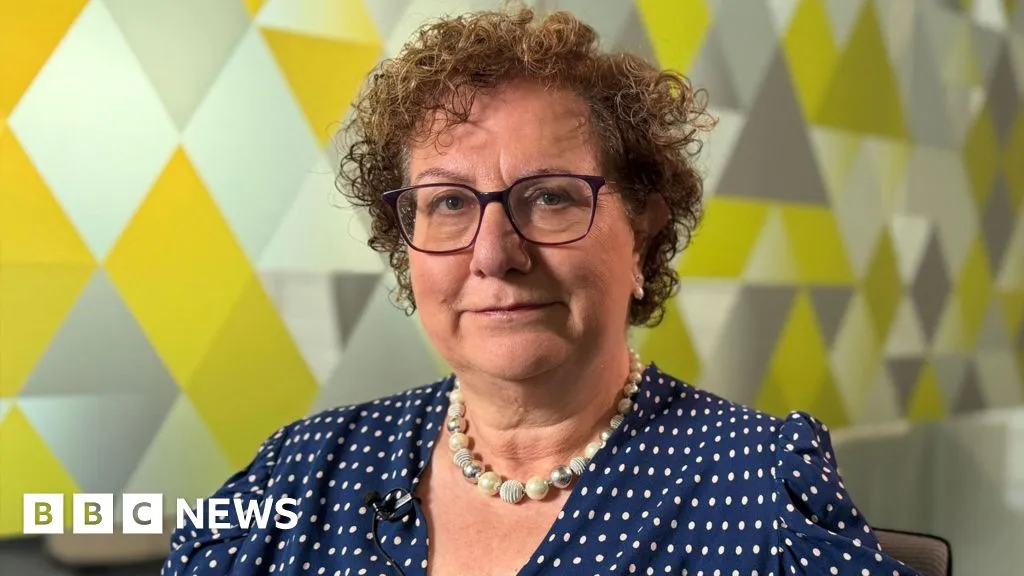
Currently, over 1,500 approved drugs exist for treating various medical conditions, and even a single repurposed drug could potentially offer relief for neurological diseases. Professor Siddarthan Chandran, the chief executive of the UK Dementia Research Institute, highlights the complex nature of the brain, which has historically hindered swift discoveries. However, advancements in AI and technology now allow for unprecedented research capabilities.
Unlike the lengthy process of developing new drugs—which can take over a decade—repurposing already approved medications may streamline the journey to accessibility and affordability for patients in need.
Looking Ahead
This research is just one of many exploring AI's potential in revolutionizing healthcare. For instance, researchers at MIT have previously utilized generative AI to identify new antibiotic compounds, while Harvard's studies have yielded neural network models that connect existing drugs with rare diseases.
Despite some setbacks observed in broader research efforts, the combination of innovative technologies and AI is paving the way for significant advancements in treating neurological disorders.
As the field of medical research continues evolving, hope shines bright for those affected by conditions like motor neurone disease, with the promise of more effective, accessible treatments on the horizon.
Source: BBC News
Source: BBC News - Technology