As the death toll from a growing Ebola outbreak in eastern Democratic Republic of Congo reaches alarming levels, communities are engulfed in fear. Health officials are racing against time to manage a virus that may have been circulating undetected for weeks.
Casualties Mount Amid Delayed Detection
Local taxi driver and resident of Rwampara expressed deep anguish, stating, "Ebola has tortured us. I am scared because people are dying very fast... We are really afraid." The rising number of fatalities has heightened anxiety in this gold-mining region, where isolation and poverty exacerbate the public health crisis.
Officials Acknowledge Challenges
During a recent visit to Ituri province, the epicenter of the outbreak, Congolese Health Minister Dr. Samuel Roger Kamba confirmed that health teams are struggling to catch up with the Ebola virus, which may have begun spreading even before its initial identification on April 24. The presumed patient zero, a nurse who passed away in the provincial capital of Bunia, may have further complicated the early detection efforts.
Rising Case Numbers
As of this week, health authorities reported 514 suspected cases alongside 136 confirmed deaths related to the outbreak. The World Health Organization (WHO) has expressed deep concern over the fast-spreading nature of the virus, which has now crossed borders, causing at least one death in neighboring Uganda.
Challenges in Community Reporting
Health officials have noted that many deaths occurred without being officially reported. "Community-level alerts didn't begin until May 8," Dr. Kamba explained. This suggests that individuals might have succumbed to the virus prior to reporting, allowing it to spread unnoticed.
Understanding the Bundibugyo Strain
The current outbreak is attributed to the Bundibugyo strain of Ebola, a less common variant that has not been seen in Ituri before. Unlike the more infamous Zaire species, Bundibugyo can surface with subtler symptoms, often mistaken for malaria, leading to delayed diagnoses. "By the time the Bundibugyo strain was detected, it had already spread quite far," noted Greg Ramm from the international charity Save the Children.
Concerns Over Urban Spread
As the outbreak reaches larger urban areas, including Butembo and Goma, local authorities face significant challenges. Critically, as of five days post-declaration of the outbreak, these cities lack operational Ebola treatment centers, raising questions and fears among residents. Basic preventive measures, including handwashing and avoiding contact, remain largely ignored.
A Cry for Urgent Action
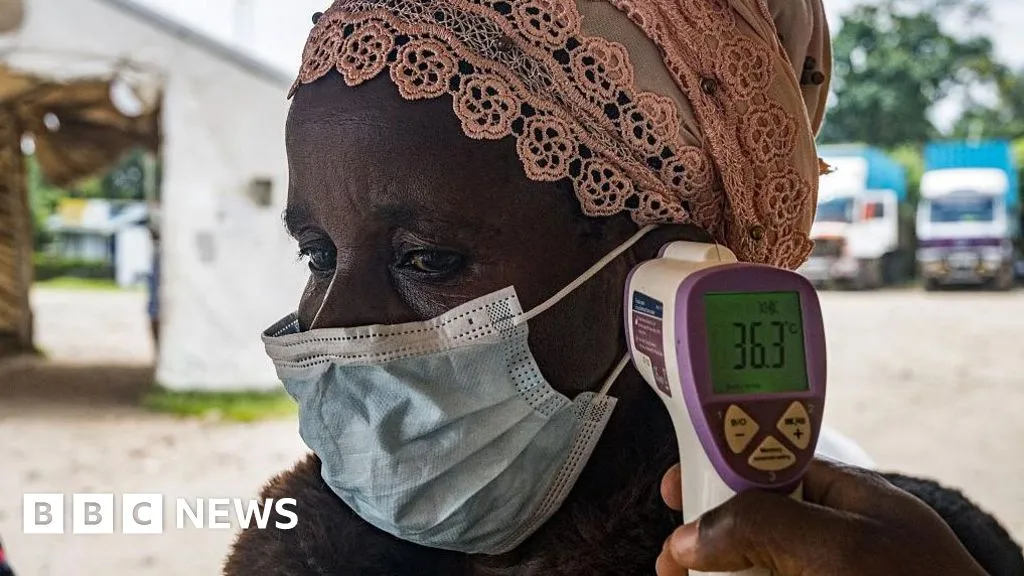
In light of the alarming situation, local journalist José Mutanava commented on the urgent need for intervention: "I'm heading to the border to report on people stranded there. I'm wearing a face mask, but not many people are." Another anxious resident lamented, "Nobody can follow the barrier measures—maybe only when we see more deaths." As the community battles these overwhelming challenges, the call for immediate action has never been more crucial.
For more information, visit the original source.
Source: BBC News - World