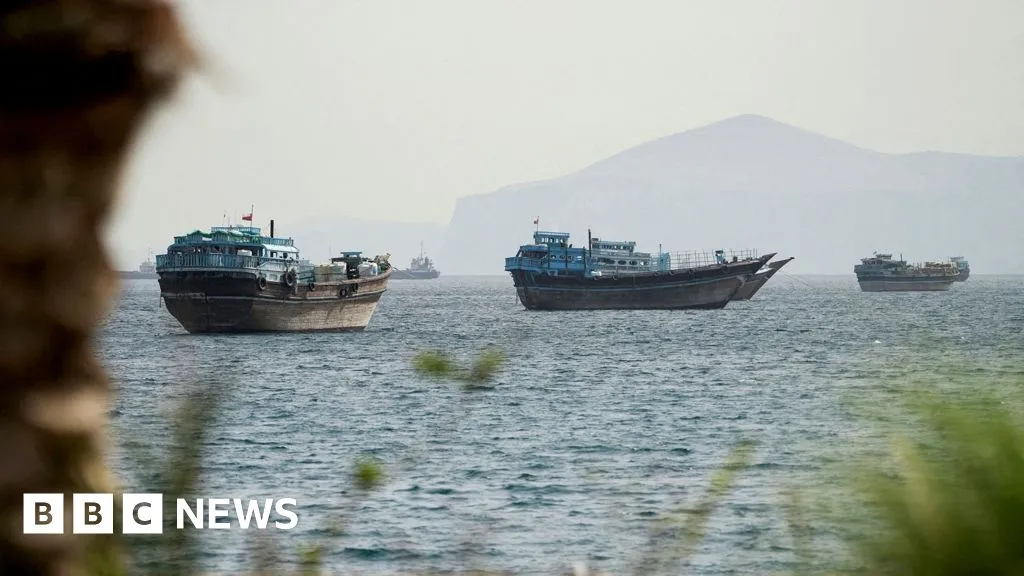
The ongoing conflict between the United States and Iran has escalated dramatically over the weekend, resulting in military strikes and alarming reports from Kuwait. This recent round of hostilities marks the third significant escalation in just one week, particularly surrounding the pivotal Strait of Hormuz.
US Strikes Target Iranian Military Operations
The U.S. Central Command (Centcom) reported that American forces conducted what they termed 'self-defense strikes' against Iranian military installations, specifically targeting radar and drone command sites in the southern region of Iran. This action follows the downing of a U.S. drone in international waters, which Centcom claims was an aggressive act by Iranian forces.
In a retaliatory move, Iran's Islamic Revolutionary Guard Corps (IRGC) confirmed it struck an American airbase that has been used for previous attacks against Tehran, though the specific location of this base remains unverified.
Kuwait Faces Missile and Drone Threats
As tensions heighten, Kuwait has also found itself in a precarious situation. Reports from the Kuwaiti military indicate that their defense systems are currently engaged in intercepting missile and drone attacks, details of which are still limited. State-controlled news agency KUNA has reported air raid sirens sounding across the country.
Interestingly, this comes after a previous Iranian attack targeted sites in Kuwait in response to earlier U.S. strikes intended to secure maritime routes from Iranian threats.
Negotiations Stalled Amidst Increased Hostility
Despite ongoing efforts to negotiate terms for a ceasefire, no substantial progress has been made. Former President Donald Trump expressed optimism on social media, suggesting that negotiations between the U.S. and Iran could lead to a beneficial deal for both parties, indicating that both sides are eager to resolve the conflict.
However, the core issues remain unresolved. U.S. media reports allege Trump has requested revisions to negotiations concerning the critical Strait of Hormuz shipping channel and issues surrounding Iran's highly enriched uranium stockpiles.
Implications for Global Trade and Security
The Strait of Hormuz is a crucial maritime route, with approximately 20% of the world's oil and liquefied natural gas passing through it. The ongoing conflict and subsequent military actions raise concerns about potential disruptions to global energy supplies, which could drive fuel prices higher and intensify international economic pressures.
As the situation continues to evolve, both the U.S. and Iran remain locked in a tense standoff, with the prospect for a peaceful resolution appearing increasingly uncertain.
Source: BBC News
Source: BBC News - World