The situation in the Middle East reached a boiling point as the United States and Iran engaged in a series of military strikes and counteractions. A recent drone assault on civilian structures in Kuwait, including its international airport, has resulted in at least one fatality, prompting international outrage and heightened security concerns.
Drone Strikes on Kuwait
Kuwait's military confirmed that drones linked to Iran targeted various civilian buildings, with the international airport sustaining significant damage. The Kuwaiti foreign ministry reported multiple injuries in addition to the death of one individual. Brig. Gen. Saud Abdulaziz Al-Otaibi, spokesperson for Kuwait's defense ministry, denounced the strike as a "criminal act of Iranian aggression." Furthermore, infrastructure damage included diplomatic missions, amplifying fears of a wider conflict.
US Military Response
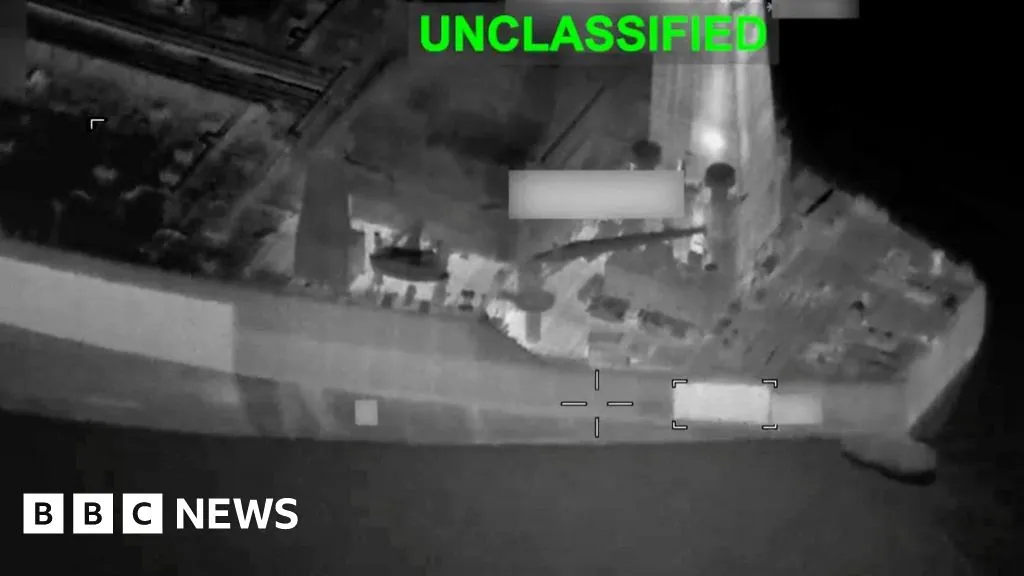
In retaliation, the US military conducted precision strikes on Qeshm Island, strategically targeting an Iranian military ground control station. The US Central Command (Centcom) stated that these strikes were a defensive measure against Iran's ongoing missile attacks aimed at Kuwait and Bahrain, stating that two missiles were launched at Kuwait and three at Bahrain—most of which were either intercepted or broke apart in transit.
The Stakes of Regional Security
- The US military also reported that it shot down three attack drones aimed at civilian vessels navigating regional waters, emphasizing its commitment to safeguarding maritime security.
- The US previously imposed a naval blockade on the Strait of Hormuz, which has heightened tensions between the two nations.
- Iran has threatened severe consequences for US military actions, declaring that any disruption in the Strait of Hormuz will be met with significant retaliation.
Stalled Ceasefire Negotiations
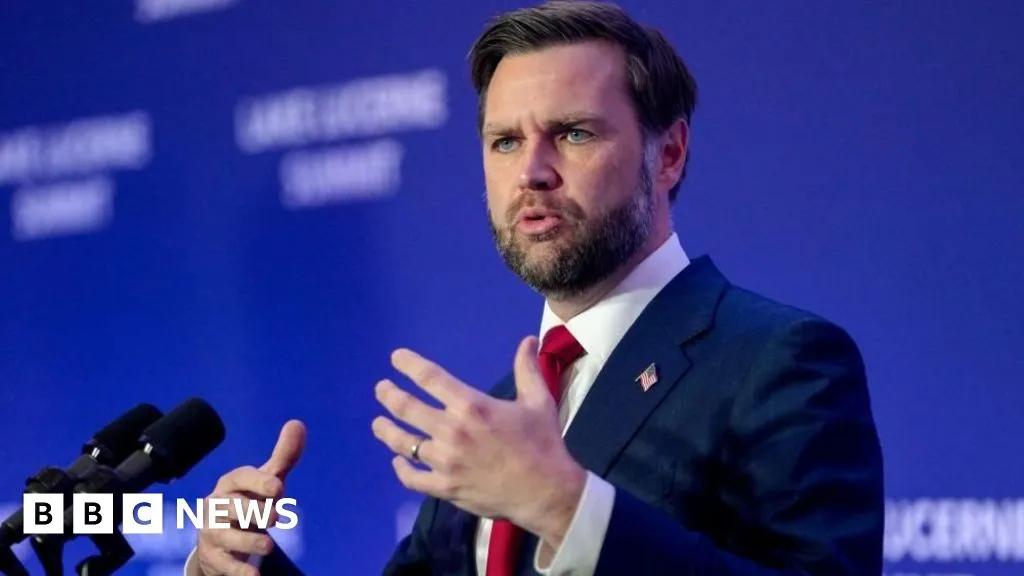
As military actions escalate, diplomatic efforts to negotiate a ceasefire have faltered. Recent discussions aimed at stabilizing the region and addressing Iran's nuclear program have not advanced effectively, with conflicting demands complicating the process. US President Donald Trump has hinted at optimism regarding negotiations but faced internal challenges regarding the terms of any potential peace deal.
While Secretary of State Marco Rubio assured Congress that sanctions relief would be strictly conditional on Iran's compliance with nuclear agreements, Iranian officials dismissed the notion of productive talks, citing constant shifts in the US position as a barrier to progress.
Conclusion
As both nations fire back and forth, the impact on regional diplomacy and civilian safety remains a growing concern for international observers. The urgency for a peaceful resolution has never been more critical as the conflict threatens to escalate further.
Source: BBC News - World