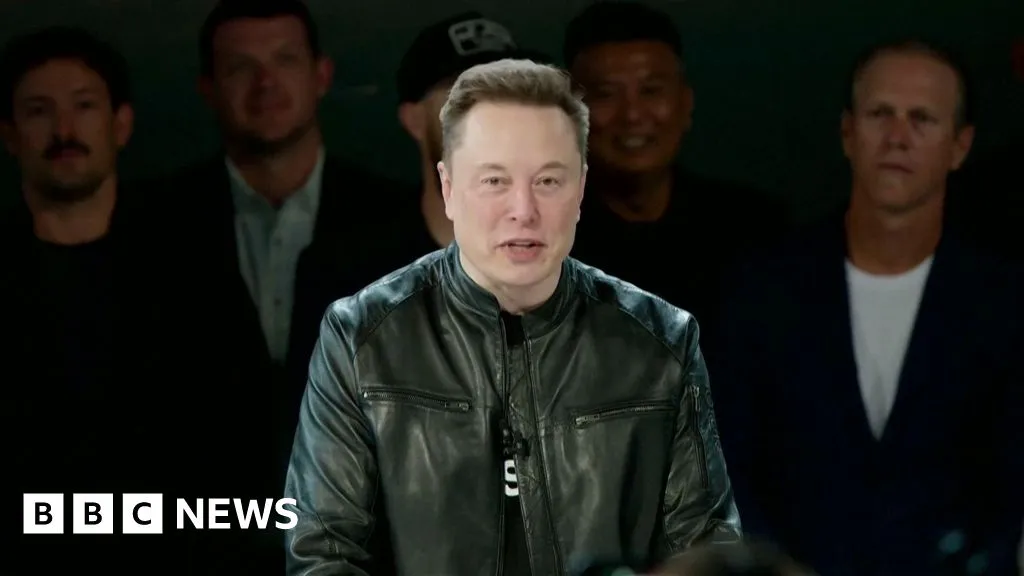
In a groundbreaking moment for both finance and space exploration, Elon Musk has officially become the world's first trillionaire. This milestone comes on the heels of SpaceX's remarkable debut on the Nasdaq, where the rocket company was valued at an astonishing $2.2 trillion.
According to the latest data from Bloomberg's rich list, Musk's net worth has surged to approximately $1.11 trillion (£828 billion). This remarkable wealth consolidation reflects utter investor confidence in SpaceX's potential to revolutionize telecommunications and artificial intelligence.
SpaceX initiated its public offering with an expected share price of $135, but trading opened significantly higher at $150 and peaked at $176.50. The shares ultimately closed the day at around $161, as investors showcased their enthusiasm for Musk's vision of interstellar innovation.
During its initial public offering (IPO), SpaceX successfully raised $75 billion from investors and underwriters. Musk's ownership stake of 42% gives him substantial control over the company, allowing him the freedom to direct funds as he sees fit.
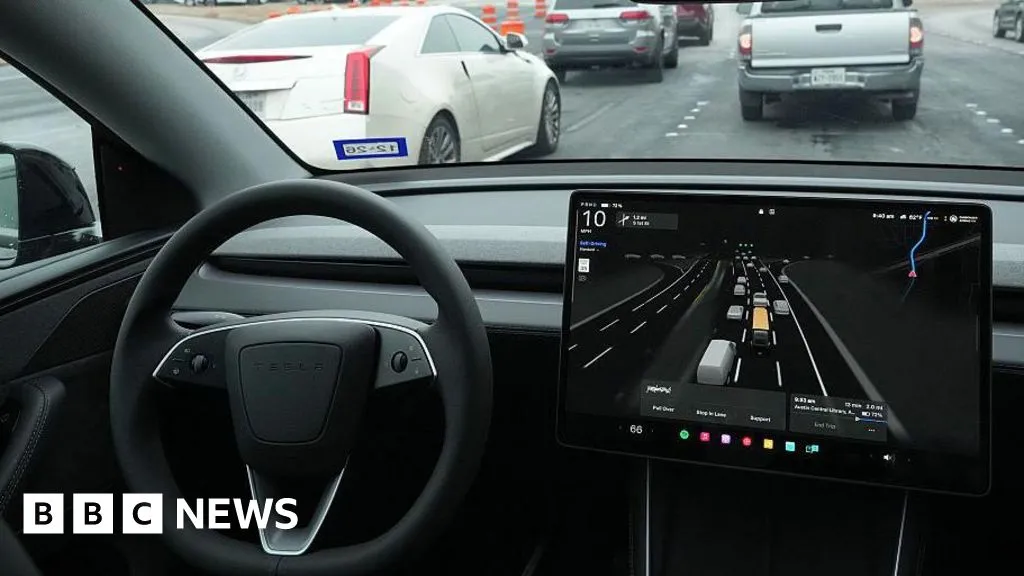
With SpaceX shares valued at $767.1 billion at market close, Musk's empire consists of an additional $168 billion in Tesla stock and $116.4 billion in Tesla options. His financial portfolio has raised questions about wealth disparity, highlighting that his fortune is comparable to the total economic output of entire countries such as Poland or Switzerland.
The Wealth Debate
The announcement of Musk's trillionaire status has reignited conversations about wealth inequality globally. Critics argue that his immense fortune exemplifies a systemic imbalance in wealth distribution. Politicians such as Senators Bernie Sanders and Elizabeth Warren have expressed their concerns, calling for wealth tax reforms.
[p]
While Musk's wealth is significant, it should be noted that most of it is theoretical, given that it's primarily tied to the stock value of Tesla and SpaceX. Furthermore, Musk is restricted from selling any of his SpaceX shares for a minimum of one year.
Interestingly, SpaceX's public listing is expected to create more than 4,400 new millionaires among its current and former employees, due to stock compensation granted as part of their employment agreements.
The Future of SpaceX
Despite its soaring valuation, SpaceX is not yet profitable, posting losses exceeding $9 billion in 2025 and 2026. The company heavily invests in re-usable rocket technology, AI advancements, and the expansion of its Starlink internet satellites.
Looking ahead, analysts are optimistic about SpaceX's prospects. Nancy Tengler, head of Laffer Tengler Investments, noted that while the company's AI ambitions are viewed skeptically, her investment strategy remains focused on long-term gains. She anticipates that SpaceX may someday merge with Tesla, further intertwining Musk's visionary projects.
As SpaceX plans to utilize IPO proceeds for growth initiatives related to rockets, satellites, and AI, the next few years could prove transformative for both Musk and the space industry at large.
In a world where one individual can accumulate wealth equivalent to that of nations, the implications of Musk's unprecedented fortune extend far beyond personal finance, raising pivotal questions about the future of wealth and societal structure.
Source: BBC News
Source: BBC News - Business