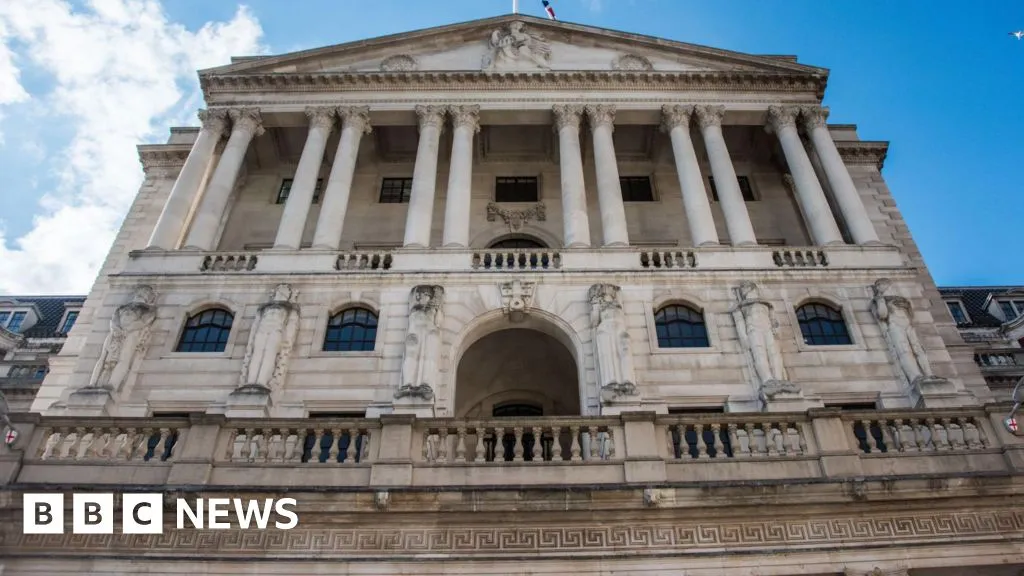
The Bank of England (BoE) is anticipated to hold interest rates steady at 3.75% for the fourth consecutive meeting, as policymakers monitor evolving situations in the Middle East. This decision comes in light of inflation pressures that remain above target yet have not surged as dramatically as many experts feared amid the ongoing US-Israel conflict involving Iran.
Current Inflation Landscape
According to recent reports, the UK inflation rate stood at 2.8% in May, reflecting a deceleration in food price hikes to a 17-month low. This decline, particularly noticeable in meat, dairy, and vegetable prices, has led analysts to believe that the BoE's Monetary Policy Committee (MPC) may not need to adjust interest rates in its upcoming announcement.
However, transport costs are reported to have risen significantly, highlighting an ongoing challenge for the BoE as it strives to stabilize the economy. The next meeting is scheduled for 12:00 BST on Thursday, and recent trends suggest a cautious approach will be taken.
Global Influences Affecting Local Economy
The volatility in global markets due to geopolitical tensions has created uncertainty for many businesses and households. Nevertheless, the prospect of a peace agreement between the US and Iran could ease some of the inflation pressures, especially with oil prices hitting near their lowest points since the onset of the conflict. This calming effect on energy prices is predicted to lessen the worst-case inflation scenarios.
Future Expectations for Interest Rates
Experts note that while pressure exists for potential rate hikes, many predict that no significant changes will occur throughout the rest of the year. The European Central Bank recently raised its interest rate for the first time in nearly three years, citing similar inflation concerns driven by ongoing global conflicts.
Impact on Borrowing and Savings
The BoE's base interest rate directly influences borrowing costs for banks and building societies, ultimately affecting mortgage rates and savings interest for consumers. As reported, the average two-year fixed mortgage rate has risen to 5.60%, compared to 4.83% at the beginning of March, with five-year deals similarly increasing.
Victoria Scholar, head of investment for Interactive Investor, remarked, “While inflation looks stable for now, we may be facing a peak over the summer with the increase in energy bills expected from the upcoming Ofgem price cap adjustments.”
As the financial landscape remains uncertain, both homeowners and investors will be watching closely for updates from the Bank of England.
Source: BBC News - Business