As the countdown to the 2026 FIFA World Cup begins, excitement mounts over who will emerge as the next Golden Boot winner. Historically, this coveted accolade recognizes the tournament's top goal-scorer, and understanding the common traits of past winners may shed light on potential contenders.
The Profile of a Golden Boot Winner
One name that lingers in fans' minds is Kylian Mbappé, who notably picked up his Golden Boot at the 2022 World Cup. He scored three goals in the final match yet left the field without a smile as France fell short to Argentina. His success exemplifies a vital truth: scoring an abundance of goals does not always secure victory. However, a prolific forward certainly enhances a team's competition chances.
Age: A Crucial Factor
A striking trend among Golden Boot winners is youth. Historically, few winners have surpassed the age of 30. The solitary exception was Davor Šuker, who, at 30, gathered six goals during the 1998 tournament.
- The average age of Golden Boot recipients is approximately 24.7 years.
- Mbappé’s 2022 win slightly lowered this average, narrowly edging out the 35-year-old legend Lionel Messi.
- The title of the youngest winner is held by Florian Albert, who claimed the Golden Boot at 20 years and eight months during Chile 1962.
The Importance of Team Dynamics
To maximize scoring potential, a striker requires effective support and depth in their team. Therefore, it’s no surprise that teams deeply immersed in the tournament tend to have a better representation among top scorers.
For example, Brazil's extensive history has produced six Golden Boot winners, starting with Leonidas in 1938 and concluding with Ronaldo in 2002. Conversely, individual brilliance isn’t always enough, as demonstrated by Cristiano Ronaldo, who exited during the Round of 16 in 2018 despite scoring four group goals.
Getting Noticed at the Club Level
Success at the club level often correlates with performance at the World Cup. Take Thomas Müller, for instance. He had not yet netted internationally before the 2010 tournament but emerged victorious for the Golden Boot, catalyzed by his strong club form.
Only twice has a player from a club outside the top four leagues achieved Golden Boot status, making club success a crucial stepping stone for national team glory.
Versatility is Key
Winning the Golden Boot also requires adaptability. In 2010, Müller edged out seasoned forwards like David Villa and Wesley Sneijder due to his all-around contributions, scoring five goals and assisting three. FIFA also applies tie-breaking rules based on players' minutes on the field if necessary.
Looking Ahead to 2026: The Stars Align
The hunt for the Golden Boot in 2026 should be exhilarating, especially with a mix of seasoned and emerging talents. Kylian Mbappé is a front-runner, having found the net four times during qualification. France's strong squad sets the stage for a deep tournament run.
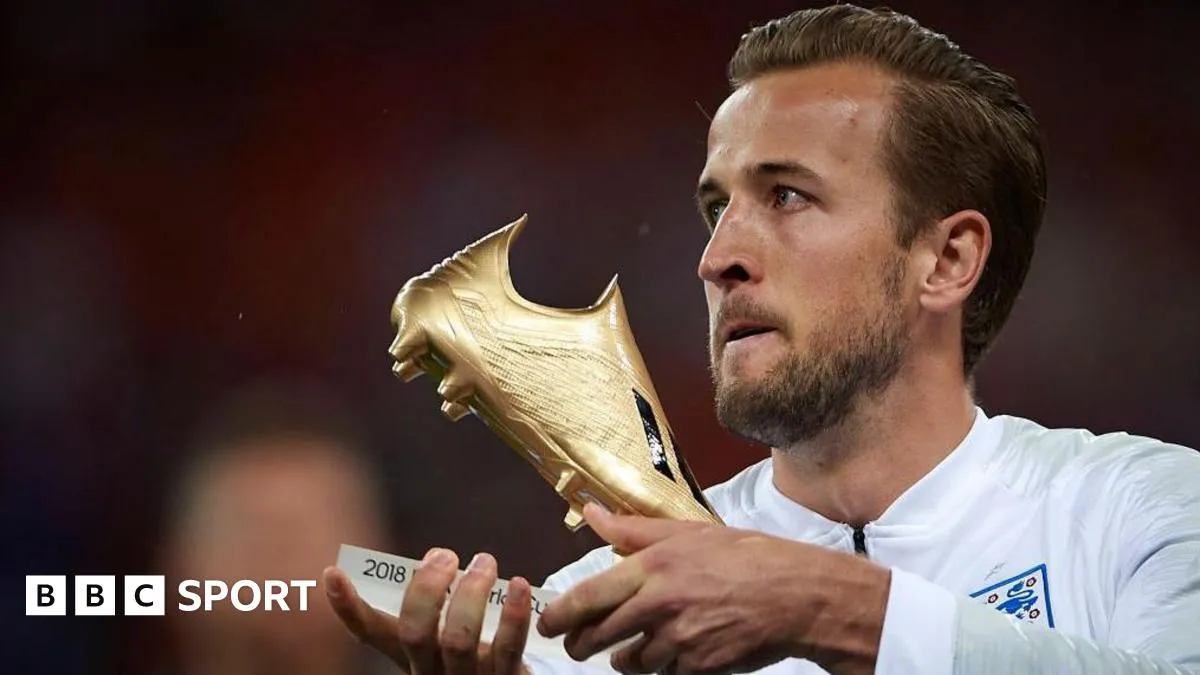
Harry Kane, now 32, aims to redefine history by potentially becoming the first two-time winner, boasting an impressive tally of goals this EPL season.
On the other spectrum, Lamine Yamal, poised to turn 19 just before the final, could add his name to the record books, though Spain's journey past the Round of 16 remains to be seen. The excitement grows as the tournament approaches, especially with prolific talents like Erling Haaland, who boasts an impressive qualification record and will rely on Norway's progression to impact his chances.
Conclusion
The 2026 FIFA World Cup promises an array of talent and competition, but who will ultimately seize the coveted Golden Boot? As we analyze key attributes of past winners, the future remains not only challenging but thrilling for players and fans alike.
Source: BBC News - Sports