In recent years, death doulas—often referred to as soul midwives—have gained traction as crucial companions for those nearing the end of life. But what exactly do these compassionate professionals do?
Supporting Families and the Dying Process
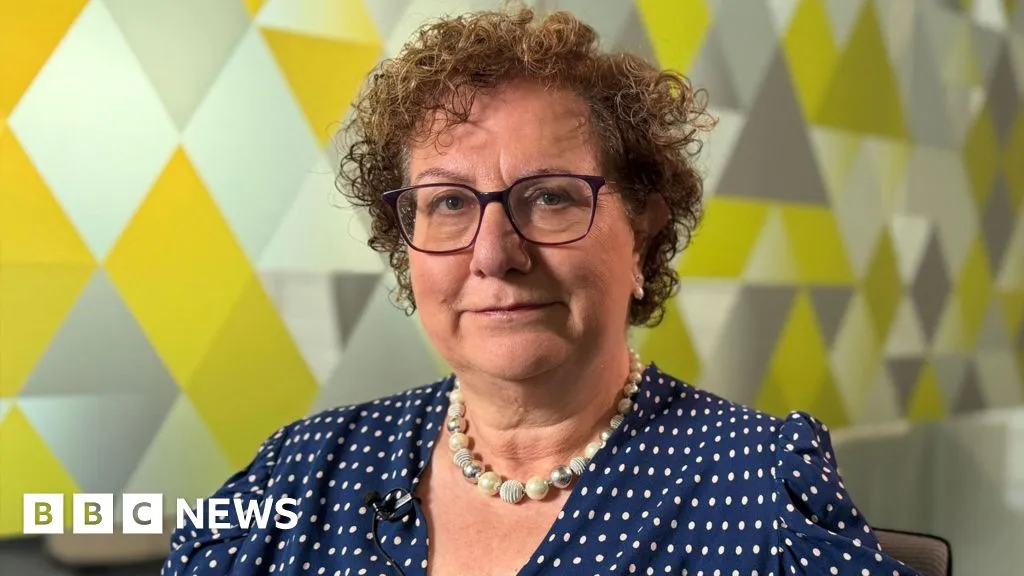
Rita Ball, a dedicated death doula based in London, finds profound meaning in being with individuals as they transition from life to death. "It is absolutely raw," she shares, reflecting on the privilege of witnessing a life departing.
With three years of experience, Ball assists families during this poignant time, volunteering extensively within NHS care homes and guiding relatives through the uncertainties associated with dying. Families frequently inquire about what they can do during their loved ones' final moments. The relief in their faces when Ball reassures them, "It’s okay to hold them, kiss them, play music, and talk to them," is palpable.
The Growing Popularity of Death Doulas
Much like their counterparts who assist during pregnancy and childbirth, death doulas have seen a significant uptick in recognition and participation over the last decade. According to Emma Clare, CEO of End of Life Doula UK, 114 new doulas joined the organization in 2025, a notable increase compared to previous years. Celebrity endorsements from the likes of Nicole Kidman and Ruby Wax underscore the changing perceptions surrounding death and how doulas fit into this narrative.
Providing Comfort and Practical Support
Death doulas, like Sarah Parker from Devon, are dedicated to supporting families through emotional turbulence. Fanny Behrens engaged Parker ten months before her husband succumbed to cancer. "Sarah was incredible as I sobbed in her kitchen," Behrens recalls. "She created a safe space for me to grieve openly."
Parker guided Behrens through difficult conversations with her husband, addressing sensitive topics like funeral wishes and logistics. "She was excellent at reminding me to care for myself too," Behrens adds, highlighting the dual focus on both the dying individual and their families.
Normalizing the Death Experience
Equipped with knowledge of the death process, doulas help dispel fears surrounding dying. Clare emphasizes that many today have lost touch with the natural rhythms of death, often influenced by dramatic portrayals in media. Ball explains the physical changes that occur as life nears its end, advising families about what to expect, such as the “death rattle” that may occur during the final moments. This information can transform fear into understanding, allowing for a more peaceful farewell.
Enduring Connections Beyond Death
Death doulas don't stop their support after the passing. Ball frequently assists families in coordinating after-death arrangements, including helping to relay messages to funeral homes and organizing memorial services. Their role often extends into community outreach, raising awareness about end-of-life issues and supporting others facing similar situations.
Final Thoughts
The work of death doulas is an essential reminder that while death is a natural part of life, it doesn’t have to be navigated alone. As society becomes more open to discussing death, the presence of these compassionate guides offers comfort and clarity to families, enriching the journey through life's final chapter.
Source: BBC News - Health