Hantavirus refers to a group of viruses named after the Hantan River in South Korea. More than 20 distinct viral species are classified under this family, primarily linked to rodent infestations, particularly from rats and mice. The World Health Organization (WHO) highlights that these viruses are predominantly transmitted through exposure to the droppings, urine, or saliva of infected rodents.
Recent Hantavirus Outbreak on Cruise Ship
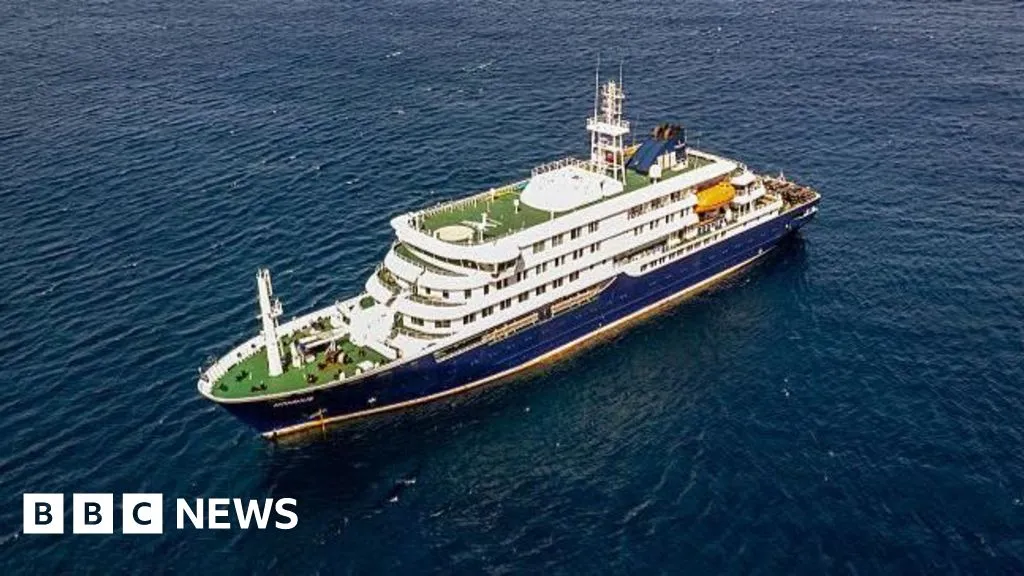
The recent hantavirus outbreak aboard the MV Hondius cruise ship has prompted attention as authorities confirm the presence of the Andes strain of the virus among passengers. Although the strain can be transmitted between humans, such occurrences are extremely rare. The ship is currently heading to the Canary Islands, expecting to dock by the weekend.
As of now, three individuals have been confirmed as infected with hantavirus, including a Dutch woman who sadly passed away, a British passenger now in intensive care in South Africa, and a Swiss passenger receiving treatment in Zurich. Additionally, five suspected cases, including individuals from the UK and the Netherlands, are being monitored.
Passengers Under Observation
- British and Dutch passengers who disembarked earlier are being tested for symptoms, but none have tested positive.
- Authorities in Arizona and Georgia are tracking three passengers who returned to the US before the outbreak was confirmed.
- Currently, 146 individuals from 23 countries are still on the MV Hondius, awaiting medical assessments in the Canary Islands.
The Andes Strain: Unique Characteristics
The Andes virus is primarily found in Argentina and Chile. It distinguished itself as the only strain known to spread between humans, albeit rarely. Historically, an outbreak in Argentina connected a significant number of cases back to a single individual who unknowingly transmitted the virus during a social gathering.
Preventative Measures and Safety Protocols
In light of the outbreak, health experts emphasize the importance of maintaining social distance, especially on board the cruise ship. To mitigate the spread, passengers are confined to their cabins, which assists in limiting exposure. Key safety measures being implemented include:
- Isolating infected individuals.
- Encouraging regular handwashing.
- Monitoring close contacts.
- Applying stringent infection control protocols.
Understanding Hantavirus Transmission
Typically, hantavirus spreads through direct contact with rodent excretions. In most cases, the virus is inhaled when dried droppings or urine are disturbed. Transmission is not akin to more common viruses like the flu, which spreads easily through droplets from coughing or sneezing. Person-to-person transmission is limited to specific circumstances where close, prolonged contact occurs.
The global risk of contracting hantavirus remains very low, with no evidence currently suggesting spread beyond the cruise ship at this time. Thorough genetic analysis of the virus may eventually clarify how it first appeared onboard the MV Hondius.
As investigations continue, health authorities urge individuals to remain informed and vigilant regarding the potential for hantavirus in various environments.
Source: BBC News - Health