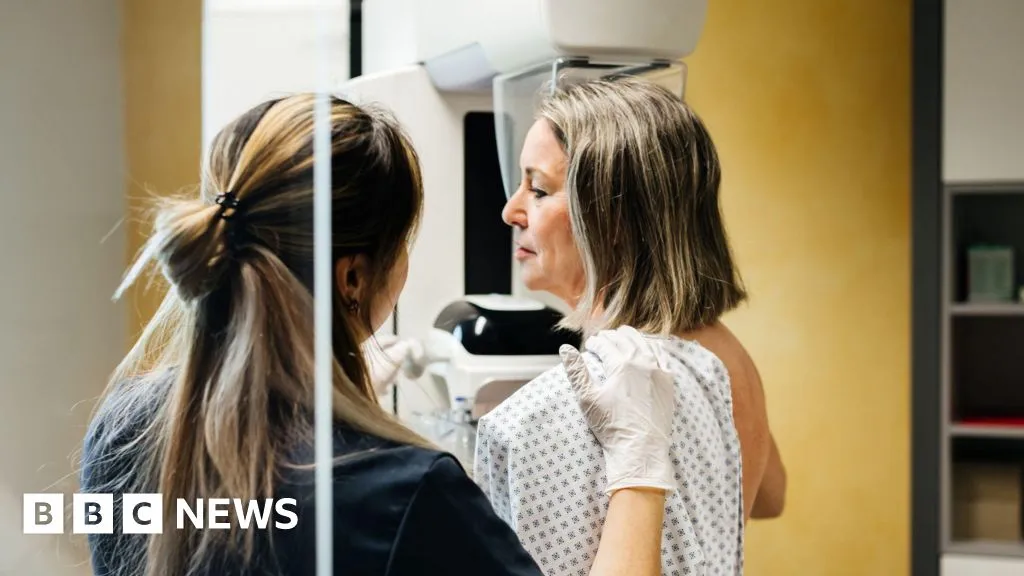
An international study has revealed that millions of women diagnosed with breast cancer may be able to avoid chemotherapy, thanks to an innovative DNA test that accurately determines who truly needs the treatment. Conducted by researchers at University College London (UCL), this groundbreaking trial involved over 4,000 newly diagnosed patients across multiple countries.
The results from the study indicate that more than two-thirds of participants could safely opt for hormone therapy alone, sparing them from the distressing side effects commonly associated with chemotherapy, such as fatigue, nausea, and hair loss.
Understanding the DNA Test
The DNA test, known as Prosigna, evaluates the activity of 50 genes linked to breast cancer growth and calculates the risk of recurrence for individual patients. Those who received a low risk score—approximately 66% of participants—did not undergo chemotherapy. Remarkably, their five-year survival rate stood at 93.7%, comparable to the 94.9% survival rate for those who did receive chemotherapy.
Implications for Breast Cancer Treatment
Traditionally, chemotherapy has been administered following surgery to remove tumors, particularly for early-stage breast cancer that has spread to nearby lymph nodes. However, growing concerns suggest that chemotherapy may offer limited benefits for many patients, especially those diagnosed with the most prevalent form of breast cancer. According to UCL, the new findings could mean that upwards of 5,000 breast cancer patients in the NHS could potentially avoid chemotherapy each year.
Real-Life Impact
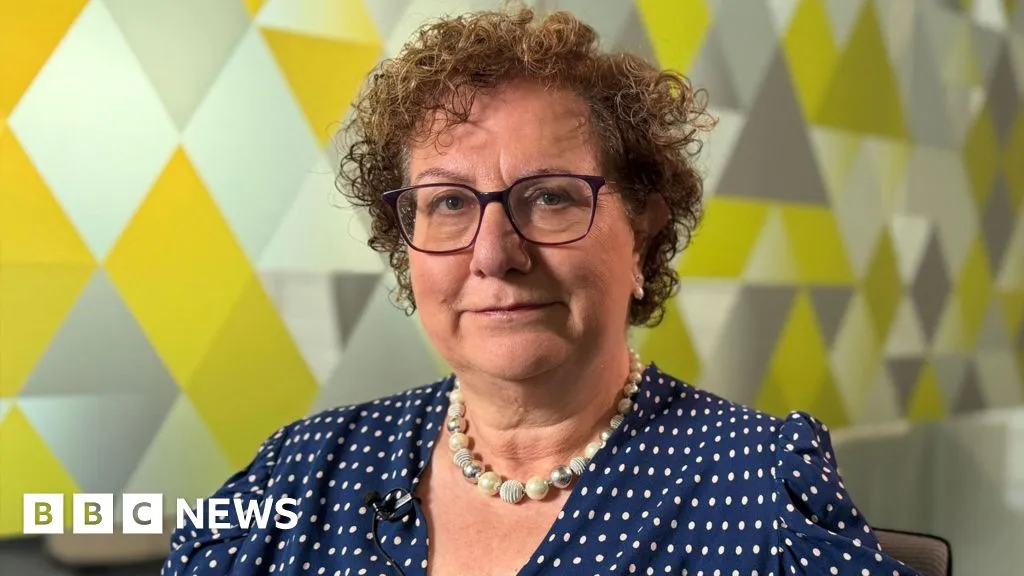
Participants like 64-year-old Karen Bonham, who took part in the trial, expressed overwhelming relief at the outcomes. “It feels like Christmas,” she said, having avoided chemotherapy thanks to the Prosigna test. Instead, she underwent eight years of radiotherapy and hormone therapy, which have been less taxing on her body and spirit.
Karen reflected on the emotional toll of a cancer diagnosis, stating, “Cancer treatment can thrust you into a world of uncertainty with realigned life priorities.”
Expert Opinions on the Study
The findings will be presented at the upcoming American Society of Clinical Oncology's annual meeting in Chicago. Leading cancer expert Professor David Miles hailed the results as "practice-changing," emphasizing that the test allows for precise predictions regarding treatment necessity. He noted, “In the past, we treated 100 women knowing only 10 benefited, while 90 endured unnecessary side effects.”
Tanya Hutson, who received chemotherapy after her diagnosis in 2022, praised the new DNA test as a “game changer,” acknowledging the harsh realities of chemotherapy and expressing hope for others who may no longer need to experience it.
Future Considerations
The UCL researchers have indicated that it remains unclear how the findings will apply to patients under the age of 40, with additional research needed before establishing broader guidelines.
As cancer research continues to evolve, innovations like the Prosigna test not only promise to enhance treatment efficiencies but also improve the quality of life for countless breast cancer patients worldwide.
Source: BBC News
Source: BBC News - Health