With concerns escalating over a potential Ebola outbreak threatening to become one of the worst in history, researchers from the International Aids Vaccine Initiative (IAVI), Moderna, and the University of Oxford are making significant strides in developing three new vaccines.
Confronting a Deadly Disease
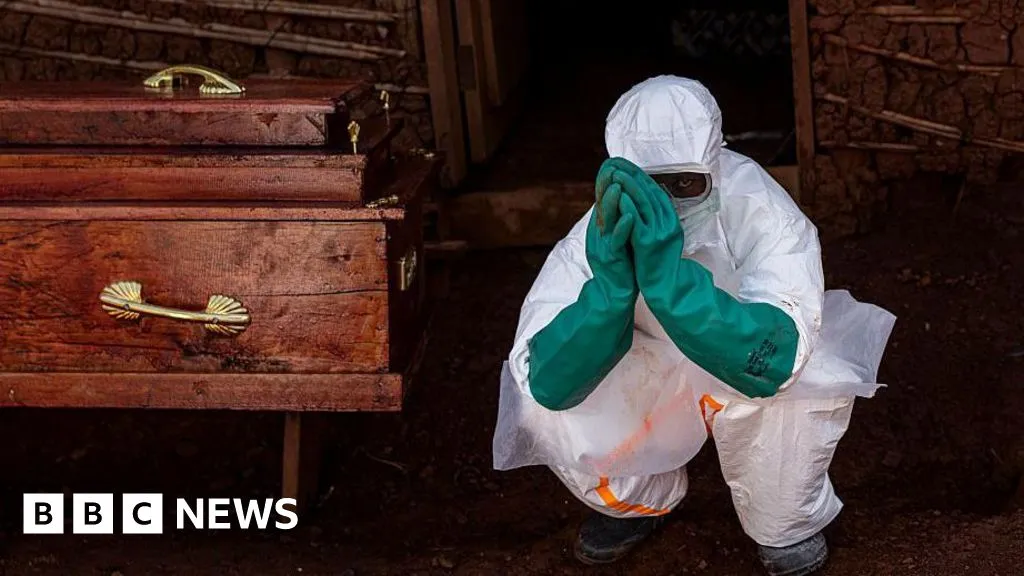
As nearly 250 lives have already been lost to the Bundibugyo species of Ebola, health experts warn that this outbreak, which has already infected over 1,000 individuals in the Democratic Republic of Congo (DRC), could rival the severe outbreaks of 2014-2016 in West Africa. This past epidemic resulted in nearly 29,000 infections and over 11,000 fatalities.
Dr. Mark Feinberg, the head of IAVI, has emphasized the urgency: "This outbreak threatens to be as severe, if not worse, than previous ones, making the development of vaccines and countermeasures a top priority." With the outbreak emerging in a conflict zone that lacks robust healthcare systems, the situation remains dire, as echoed by medical charity Médecins Sans Frontières (MSF), which has labeled the situation as "deeply alarming."
The Search for a Solution
Current vaccines must be tailored to combat the various species of Ebola. While one exists for the Zaire species, the ongoing outbreak is caused by the Bundibugyo type, which has only occurred twice before and lacks an approved vaccine.
The IAVI team is working on a modified version of the Zaire vaccine, which has shown promising results in animal trials, demonstrating rapid immune system training and nearly 100% protection in tested monkeys.
In parallel, Moderna is leveraging its well-known mRNA technology, previously effective in the COVID-19 pandemic, to develop a vaccine for Bundibugyo. CEO Stéphane Bancel stated, "We will move with urgency and scientific rigor to support the response and help bring a potential vaccine closer to the communities that need it most." The University of Oxford is also racing to develop a vaccine using similar innovative technologies.
Vaccine Development Timeline
IAVI anticipates it will take around seven to nine months to begin clinical trials, though efforts are underway to expedite this timeline. Meanwhile, the Oxford vaccine is expected to be ready for human trials within two to three months.
Each of these vaccines is designed to train the immune system to recognize the Bundibugyo glycoprotein found on the virus's surface, but they approach this goal through different methodologies. IAVI uses a live, harmless virus to stimulate immunity, while both Moderna and Oxford employ genetic codes that prompt the body to produce the glycoprotein itself.
Funding and Future Efforts
The Coalition for Epidemic Preparedness Innovations (CEPI) is providing essential funding to support these efforts, stating, "With Bundibugyo virus spreading rapidly and no licensed vaccines, every day counts in the race against this deadly disease,” remarked Dr. Richard Hatchett, CEPI’s CEO.
Dr. Tedros Adhanom Ghebreyesus, Director-General of the World Health Organization (WHO), highlighted the importance of these vaccines, indicating they could play a crucial role in controlling the current epidemic and enhancing preparedness for future outbreaks.
As these groundbreaking vaccines move forward, the global medical community remains vigilant, hoping for rapid development to mitigate this severe health crisis.
Source: BBC News
Source: BBC News - Health