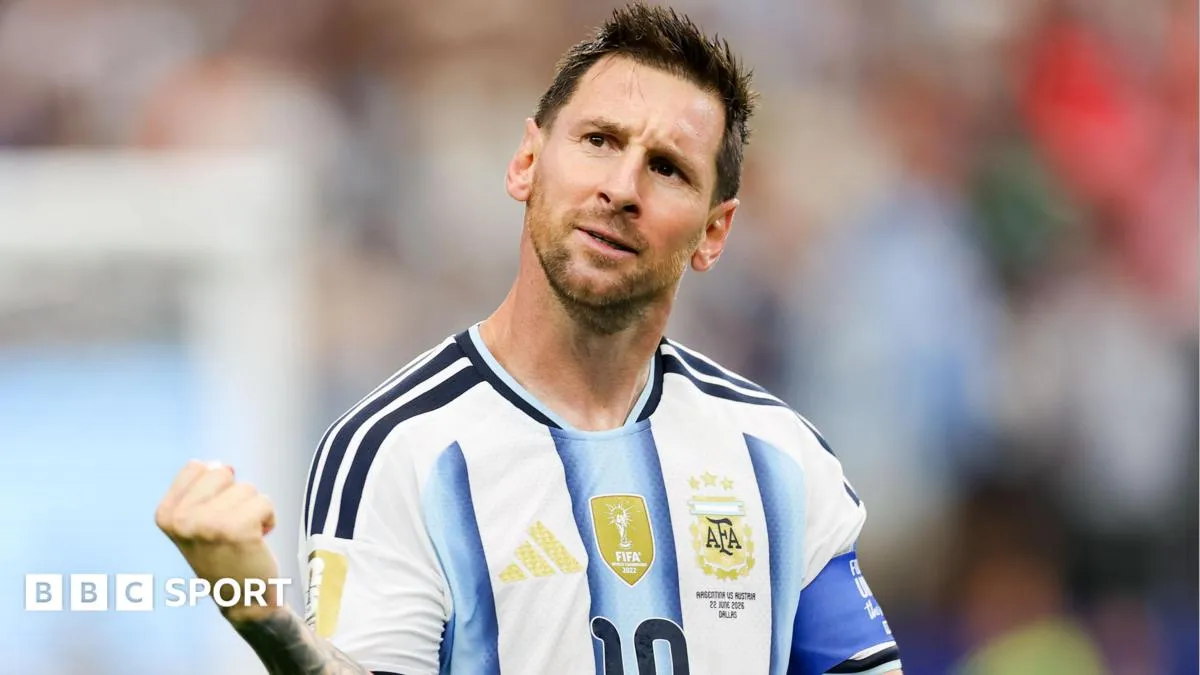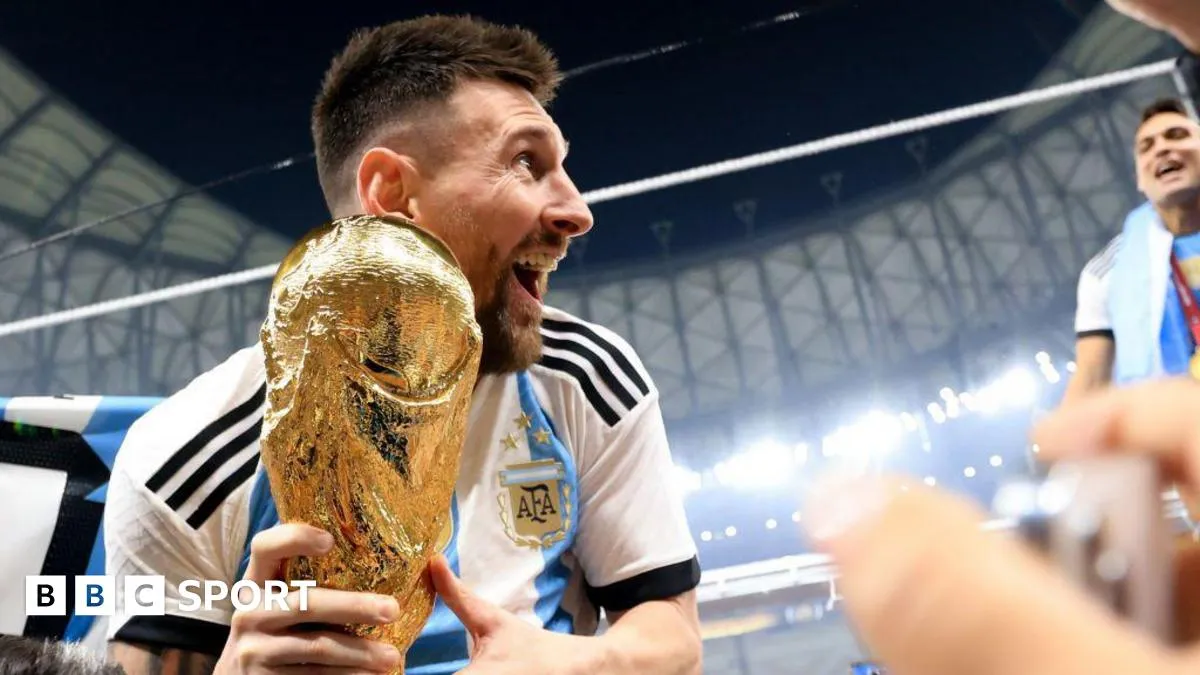
As the 2026 World Cup approaches, Lionel Messi is gearing up for his sixth tournament with Argentina. At 38, he stands on the brink of history, aiming to lead his nation to become the first team to defend their World Cup title since 1962. This time, however, Messi is not the same dynamic winger who wowed audiences when he began his legendary career at Barcelona in 2003.
The Shift from Young Prodigy to Adaptable Veteran
While many athletes experience a noticeable decline as they age, elite players like Messi manage to adapt and thrive. Unlike Cristiano Ronaldo, who transformed himself into a penalty-box finisher, Messi has innovated his style to maintain his dominance. Over the years, he has successfully reinvented himself several times, proving that he can still outrun the game even as it evolves around him.
From the Wing to the Center
Messi's journey began at a tender age. With Ronaldinho at his side, Messi displayed his immense talent, culminating in a stunning debut during the Joan Gamper Trophy in 2005. By the time he hit 21, it became clear to the then manager Frank Rijkaard that Messi needed to influence the game from the center of the pitch. Early on, he operated primarily on the right wing, but as the game progressed, he adapted to take on a more central role.
The False Nine Revolution
One of Messi's pivotal transformations occurred under Pep Guardiola during the 2008 season. In a key La Liga match against Real Madrid, Guardiola shifted Messi from the right wing to a 'false nine' position. This strategy created havoc for opposing defenses. He thrived in this role, exploiting spaces and making decisive plays that led to monumental victories, including a memorable Champions League match against Manchester United.
Carrying the Weight of a Team
Following the departures of iconic teammates Xavi and Iniesta, Messi faced an even greater challenge. He was no longer just a prolific scorer—he was expected to carry the team's creative burden. In response, he evolved once again. Transitioning into the role of 'enganche', Messi started to drop deeper into midfield, orchestrating plays while still contributing significantly to scoring.
Statistics That Speak Volumes
During the 2019-20 season, Messi achieved a staggering total of 22 assists, a testament to his expansive influence on the game. He returned to prolific scoring form in the 2020-21 season, netting 30 goals along with 11 assists in La Liga, showcasing his adaptability as he ages.
Conclusion: Messi's Legacy Continues
As he prepares for the World Cup stage once more, Lionel Messi's journey is emblematic of a player who has consistently evolved, proving that greatness isn't solely about physical stamina but also about intelligence and adaptability on the field. Ahead of this monumental tournament, supporters will be eager to see how this revered footballer adds to his already illustrious legacy.
Source: BBC Sport
Source: BBC News - Sports