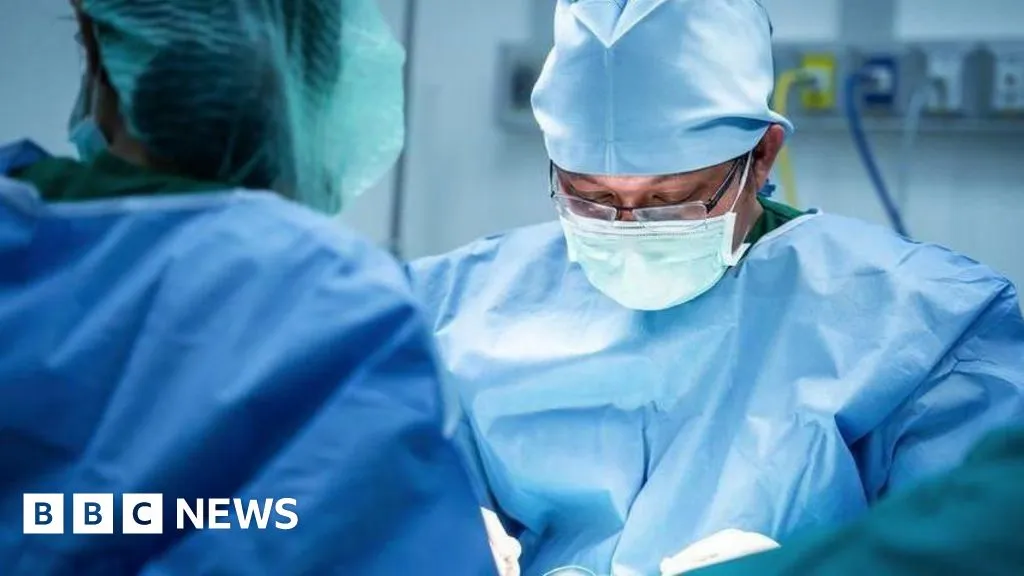
In a significant development for the NHS, the government announced that it has successfully met its interim target of treating 65% of patients in England within 18 weeks. This milestone is set against a backdrop of increasing public scrutiny and the enduring challenges facing the health service.
As of now, the treatment rate stands at an impressive 65.3%, barely surpassing the target. This achievement marks an essential step towards the ambitious goal of 92% by the end of the current Parliament in 2029—a key promise in Labour's manifesto.
Wes Streeting: 'We’re Right on Track'
Health Secretary Wes Streeting expressed his satisfaction with this progress, especially considering that when Labour took power, the treatment rate was below 59%. He remarked, "It means we are right on track to deliver the fastest reduction in waiting times in the history of the NHS. This is a testament to our government’s investment, modernization efforts, and the dedicated work of our staff nationwide."
However, despite the overall achievement, not all hospital trusts are sharing in the success. Data reveals that four out of ten trusts failed to meet their individual targets, with ten trusts actually seeing a decline in their performance. The total waiting list has decreased slightly, from 7.2 million to 7.1 million—the lowest figure in over three years.
A Call for Continued Investment
NHS England's chief executive, Sir Jim Mackey, heralded the progress as a "huge moment" for healthcare in England, emphasizing that today's success transcends mere numbers—it symbolizes genuine improvement for patients and communities. He noted that these advancements are particularly noteworthy given the strain of recent strike actions by resident doctors.
Despite this progress, experts caution that the journey is far from over. Tim Mitchell of the Royal College of Surgeons of England warned of the persistent issues that could undermine advancements. He stated, "Too many teams are still working in ageing buildings with too few theatres and beds. Without addressing these constraints, progress for patients already waiting will remain fragile."
Furthermore, Sarah Woolnough, chief executive of the King's Fund, highlighted that the interim target was only met due to extra government funding since January. She questioned the sustainability of such fiscal measures, stating, "It brings into question whether reaching the eventual 92% target by rinsing and repeating this sequence of 'elective sprints' is financially feasible or manageable for already stretched NHS staff." She also expressed concern that focusing solely on the 18-week target obscures the fact that many other waiting lists are still lengthening, suggesting that a broader approach is needed.
The path ahead for the NHS remains challenging but with focused investment and strategic planning, the goal of reducing patient waiting times can gradually become a reality.
Source: BBC News
Source: BBC News - Health