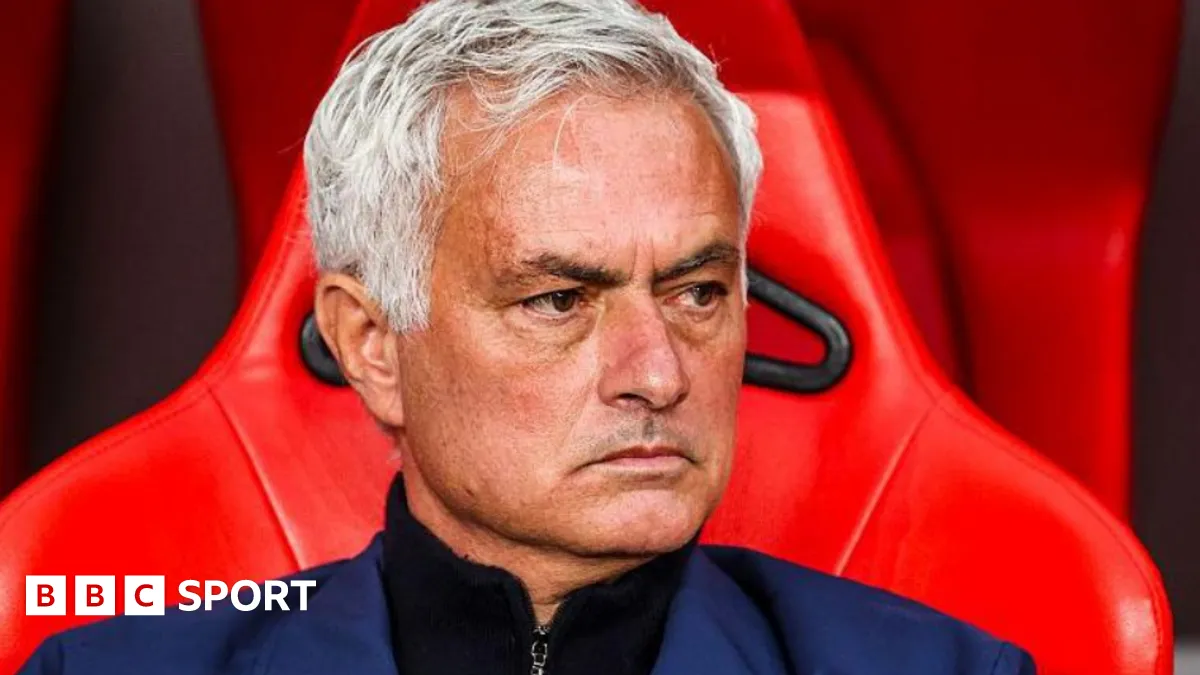
In a move that has stirred excitement and skepticism in equal measure, Jose Mourinho is poised to return as the head coach of Real Madrid—13 years after his first tumultuous tenure. Spanish football analyst Guillem Balague weighs in on the implications of this high-profile appointment.
Wednesday’s press conference, orchestrated by Real Madrid president Florentino Perez, set the stage for what is viewed as the dawn of a new era. Over a decade since he last addressed the media in such a manner, Perez expressed both defiance and indignation, suggesting that he feels under siege from the press and the footballing establishment. Within this charged atmosphere, the anticipated announcement of Mourinho’s return cast a long shadow.
A Match Made in Controversy
Mourinho’s managerial style—marked by a siege mentality and a penchant for scapegoating—seems tailor-made for the narrative that Perez has cultivated throughout his presidency. With a string of defeats and frustrations from the previous season, pressure has mounted. The locker room at the Santiago Bernabéu is reportedly fractured, making Mourinho’s commanding approach both appealing and risky.
Key figures, including Vinicius Jr. who previously advocated for Xabi Alonso’s dismissal, highlight the internal conflicts troubling the squad. The arrival of Kylian Mbappe has only complicated matters, as he is perceived as an outsider amidst established team dynamics. José Mourinho, renowned for his tough-love approach, may believe he possesses the skills necessary to restore order amidst this chaos.
The Weight of Past Errors
However, one must ask: Does Mourinho's previous history with Madrid foreshadow repeating old mistakes? Despite his illustrious past, he has not clinched a league title in over a decade. His record of parting ways with clubs in disarray casts doubt on his ability to navigate Real Madrid's unique culture.
- At Tottenham, players reportedly disengaged, leading to a division between loyalists and those who resented his management.
- At Manchester United, despite moments of tactical brilliance, a toxic atmosphere persisted, hinting at his challenges in fostering camaraderie.
In his last stint at Real Madrid from 2010 to 2013, Mourinho's victory tally included just one league title and a Copa del Rey. However, his departure left deep-seated fractures among players and supporters alike. These unresolved issues could resurface if Mourinho doesn't adapt his approach to align with the club's ethos.
The Road Ahead: Can Mourinho Learn from Mistakes?
If Mourinho's comeback is to be successful, he will need to acknowledge that victory is a collective journey, not merely a command he issues. Learning from previous tenures is crucial. This includes recognizing the diverse personalities in the dressing room and facilitating unity rather than division.
Moreover, he will have to navigate controversies delicately. His past comments addressing race-related issues—in particular concerning Vinicius Jr.—illustrate the fine line he must tread in the media landscape.
The Vinicius-Mbappe Dynamic
The potential friction between Vinicius and Mbappe could be a critical point of contention. If mishandled, this situation might spiral into a crisis, reflecting poorly on Mourinho’s capacity to maintain team harmony.
With expectation soaring and uncertainty lingering, the footballing world watches eagerly as Mourinho embarks on this daunting task. His legacy is at stake, and the outcome could redefine his standing in the sport.
For Real Madrid, this appointment is more than just a managerial change; it represents a gamble laden with both peril and promise. Can the 'Special One' conjure the magic needed to reshape the club's fortunes? Only time will tell.
Source: BBC News - Sports