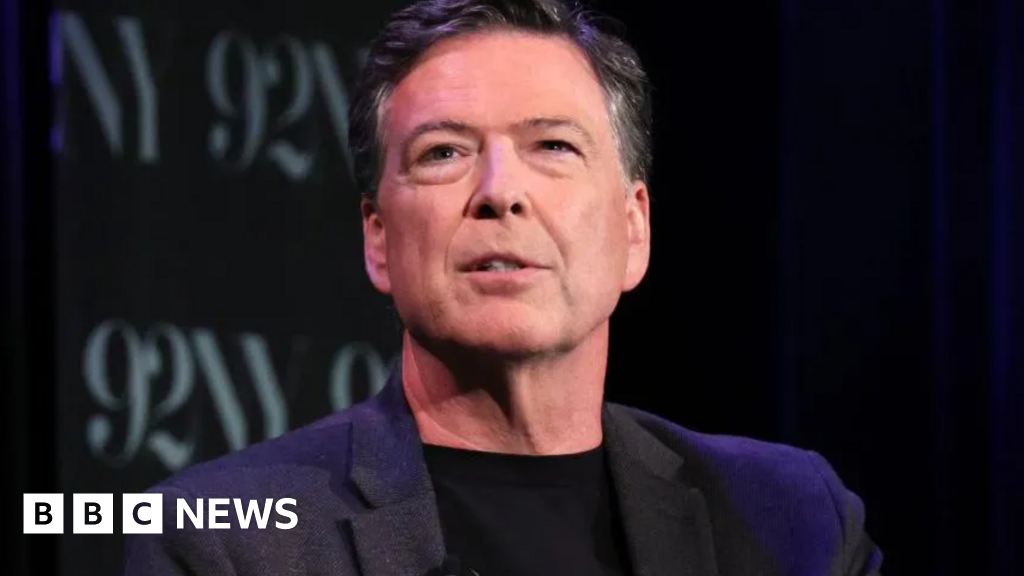
In a surprising legal twist, former FBI Director James Comey has been formally charged with threatening the life of then-President Donald Trump. The charges arise from an Instagram post he made last year, which featured a picture of seashells arranged to display the numbers "86 47," a combination that has drawn sharp scrutiny and accusations of inciting violence.
The Details Behind the Indictment
The Justice Department claims that Comey's post sends a veiled message suggesting harm against Trump. While Comey asserts he was unaware of the interpretation of the numbers, those in Trump’s circle have argued that the post clearly implies a violent intent. In response to the indictment, Comey maintained his innocence, stating, "I’m still innocent, I’m still not afraid, and I still believe in the independent federal judiciary."
Reactions from Law Enforcement
During a press conference where the indictment was announced, FBI Director Kash Patel condemned Comey’s actions, stating, "James Comey disgracefully encouraged a threat on President Trump's life and posted it on Instagram for the world to see." This statement reflects the ongoing tension between Comey, who was fired by Trump in 2017 for his handling of the Russia investigation, and the Trump administration.
Legal Implications and Expert Opinions
The charges against Comey include making a threat against the president and transmitting a threat across state lines—each carrying a potential sentence of up to 10 years. These legal challenges emerged from the Eastern District of North Carolina, where the shells were reportedly found. Acting Attorney General Todd Blanche emphasized the seriousness of the allegations, declaring that threatening a president's life violates the core principles of U.S. law.
Social Media Controversy
After the post drew ire, Comey deleted it, claiming he did not associate the numbers with violence and stated, "I didn’t realize some folks associate those numbers with violence. It never occurred to me, but I oppose violence of any kind, so I took the post down." This has led to heated debates about the interpretation of social media expressions and 1st Amendment rights.
Despite the serious nature of the charges, some legal experts have expressed skepticism. Michael Gerhardt, a constitutional law specialist, referred to the indictment as "very thin" and suggested that it may not withstand judicial scrutiny as a protected form of free speech. Similarly, former federal prosecutor Jimmy Gurulé described the indictment as "an embarrassment to the American criminal justice system," asserting that proving intent to threaten Trump will be extremely challenging.
A History of Tensions
This is not the first time Comey has faced legal consequences. He was indicted previously for allegedly lying to Congress during testimony and obstructing proceedings—charges stemming from the fallout of his investigations into Trump's campaign. That case was dismissed due to procedural issues, highlighting the contentious environment surrounding Comey's interactions with the Trump administration.
As this case unfolds, political and legal analysts will be closely watching the implications it may have for Comey and the broader landscape of political accountability and free speech in America.
Source: BBC News - World