Recent analysis from the BBC reveals a troubling shift in childbirth practices in England, with one in four births now resulting in emergency caesarean sections. This marks an alarming increase over the last five years and has sparked debates among healthcare professionals about its potential implications.
Understanding the Rise
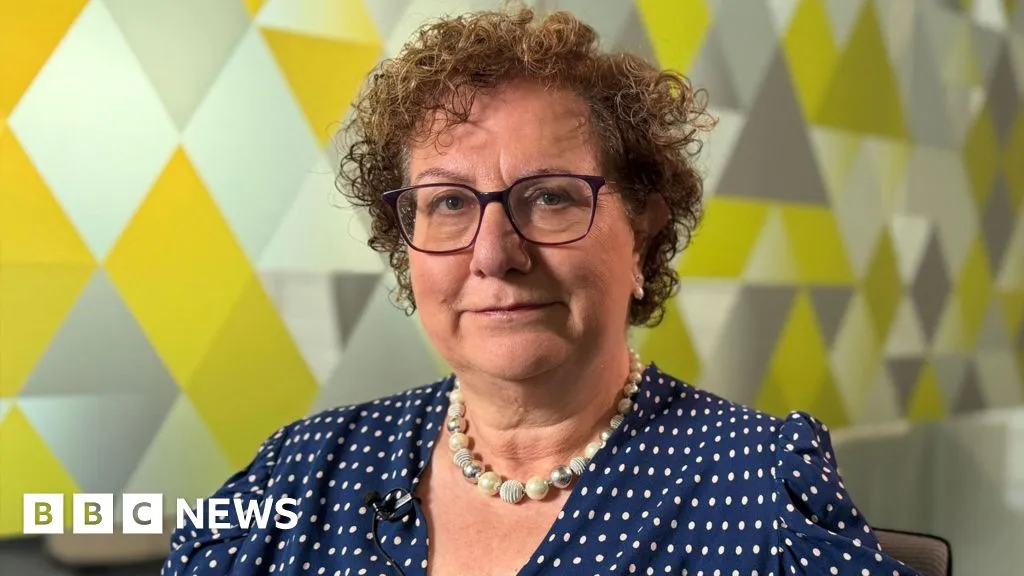
The data shows that emergency C-sections have escalated by eight percentage points, while planned caesareans also see a rise. In contrast, the percentage of vaginal births without instruments has declined, plummeting from over half of all deliveries to just 43% today. According to Prof. Marian Knight, director of the National Perinatal Epidemiology Unit, this represents a dramatic shift in how childbirth is approached in England, a trend not mirrored across other European nations.
Factors Influencing the Increase
Experts are voicing concerns about a pervasive culture of fear in maternity units that may be pressuring both expectant mothers and healthcare providers towards more surgical interventions. The Royal College of Obstetricians and Gynaecologists emphasizes that the overwhelmed system is struggling to keep pace with rising demand, suggesting that individual circumstances heavily factor into the decision-making process for births.
The Nature of Emergency C-Sections
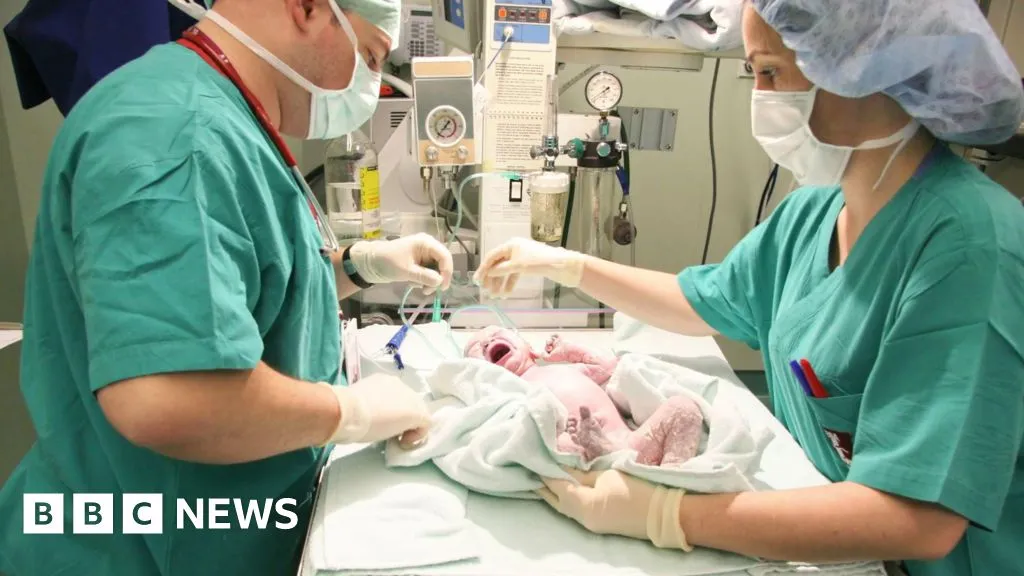
An emergency caesarean involves a surgical procedure where doctors make an incision through the mother's abdomen and uterus. Such operations are classified based on urgency, from immediate life-threatening situations to cases where labor is not advancing properly. Each procedure carries significant recovery time, potential mental trauma, and risks for future pregnancies.
Current Childbirth Statistics
While vaginal deliveries without medical instruments remain the most prevalent method of childbirth, their share has fallen sharply. As of now, planned caesarean sections account for 20% of all births, while emergency procedures have surged from 18% to an alarming 26%. Although statistics from Scotland, Wales, and Northern Ireland indicate lower rates of emergency C-sections, they still reflect concerning trends: 22%, 20%, and 16% respectively.
Comparative Data and Ongoing Research
Prof. Knight’s unit researched 42 nations and found England's rankings in emergency caesarean rates deteriorating, rising from 14th in 2020 to 9th by 2025—most of these countries are not experiencing such stark increases. Alarmingly, despite this surge in surgical births, rates of stillbirths and neonatal mortality have remained consistent.
Exploring Demographics and Risks
Shakila Thangaratinam, a professor of women's health at the University of Liverpool, is keen to delve into the demographic variables at play, particularly race. Nationally, the emergency caesarean rate is one in four, but it escalates to one in three among Black and Asian mothers. Factors like age and obesity are under investigation, alongside the impact of high-profile maternity scandals that have influenced maternal healthcare perceptions.
The Implications of Rising Anxiety
As maternity care standards evolve, lingering fear from past scandals in places like Morecambe Bay and East Kent may guide more mothers and healthcare professionals towards choosing or recommending surgical births. Prof. Thangaratinam notes, "We must consider the rising anxiety among women and healthcare staff, as nobody wants to be linked to a tragic incident."
In summary, although the landscape of childbirth in England is rapidly evolving, the underlying reasons for this spike in emergency caesareans remain unclear, highlighting the urgent need for quality data and further investigation.
Source: BBC News - Health