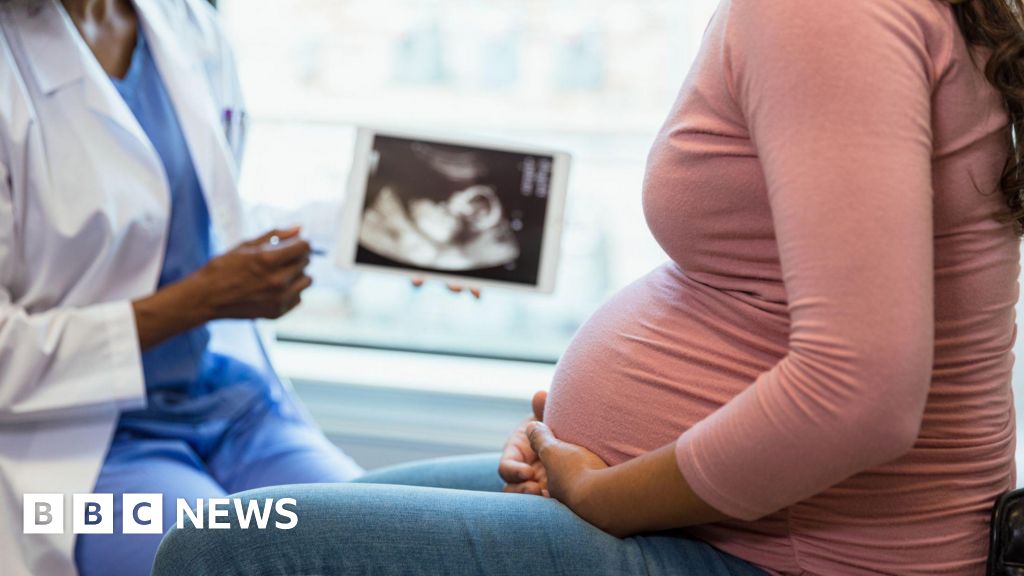
Live births in England and Wales have fallen to their lowest level since 1977, prompting reflections on the state of the world and the motivations behind family planning decisions. Recent data reveals a significant drop in birth rates, as the average age of first-time mothers continues to rise.
Stacey Waring, a 40-year-old nurse from Nottingham, encapsulates the sentiments of many who are reconsidering parenthood amidst global uncertainty. She states, "It’s just not a very nice world to bring people into, and why would I consciously do that when I can choose not to?" This perspective reflects a growing trend towards having fewer or no children, contributing to a nationwide decline that has reached alarming levels.
In 2025, the Office for National Statistics (ONS) reported that live births in England and Wales totaled approximately 585,000, marking a decrease of 10,000 from the previous year. This alarming figure represents a steady decline that has persisted since 2010 and is the lowest recorded in nearly 50 years.
For Waring, the allure of childhood experiences seems to have faded. "I think of the childhood that I had, playing outside without a mobile phone. It’s very different now," she said. Despite her choice to remain child-free, she appreciates the freedom that comes with it, allowing her to travel in her camper van without parental responsibilities weighing her down.
Economic Pressures and Timing of Parenthood
The trend of declining birth rates is not isolated to individual choices but is partly fueled by economic factors. Georgina Tuffour, a 35-year-old trainee nurse and mother of three, bemoans the rising cost of living that impacts her ability to expand her family. "The cost of activities for my children is staggering — take my son’s drum lesson, which costs £50 a month," she explains. Such financial strains lead many to reconsider their family size.
Dr. Paula Sheppard, an anthropologist at the University of Oxford, attributes the decision to wait longer for children to a desire for greater financial stability. "People are waiting for better job prospects, higher salaries, and improved living conditions," she notes. She points out that even in countries with robust family support systems, birth rates are not rising, indicating a larger cultural shift in society.
A Global Perspective on Declining Fertility
The decrease in birth rates is not just a UK phenomenon but reflects a global trend. Dr. Sheppard elaborates, stating that cultural shifts towards investing in fewer children rather than having larger families with limited resources contribute to this decline. In societies where fewer newborns are visible, the perception of parenthood becomes less appealing, resulting in a cyclical effect on fertility rates.
As society evolves and economic pressures mount, the choices surrounding family planning become more complex. The data trends suggest that the narrative around parenthood is shifting, leaving policymakers and society to grapple with the implications of these profound changes.
Source: BBC News
Source: BBC News - Health